

Hilary Alexander

“Happiness is just a few steps away.”
Alive and Kicking gives the audience an intimate, insider’s view into the culture of the current swing dance world while shedding light on issues facing modern American society.
Official
I didn’t expect to fall in love with a documentary about swing dancing. Not because I have anything against jazz or jitterbugs, but because I’ve seen this trick before: the earnest celebration of a subculture, the archival footage, the talking heads waxing poetic about a golden age. It’s a formula that can feel like homework disguised as entertainment.
But Alive and Kicking sneaks up on you. It’s not just about the steps—it’s about why we still need them.
Susan Glatzer’s film opens with a shot of feet moving in perfect, frenetic unison. No faces, no context, just the sound of leather soles skidding across a wooden floor. It’s a bold choice, and it works because it doesn’t explain itself.
The camera lingers on the rhythm, the precision, the sheer physical joy of it. By the time we cut to Norma Miller—sharp-tongued, sharp-dressed, and pushing 90—we already understand: this isn’t just a dance. It’s a lifeline.
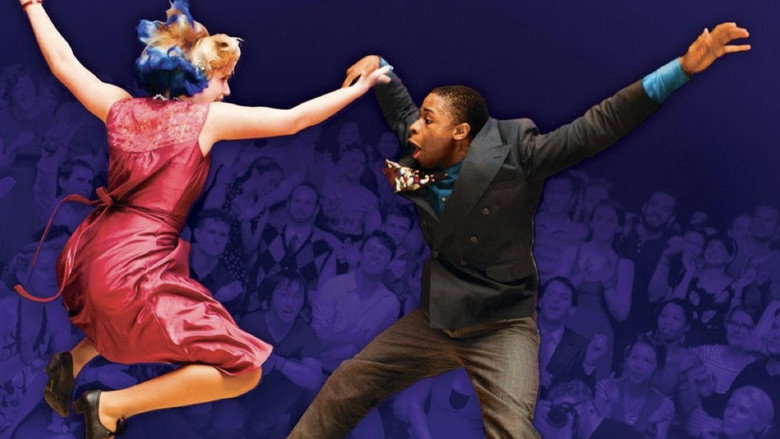
Glatzer, a first-time director, doesn’t try to reinvent the documentary form. There are no gimmicks, no fourth-wall breaks, no forced narrative arcs. Instead, she lets the dancers tell their own stories, and the result is something rare: a film that feels both intimate and expansive.
One moment, you’re in a dimly lit ballroom in Harlem, watching Frankie Manning—one of the inventors of the Lindy Hop—reminisce about the Savoy in the 1930s. The next, you’re in a crowded studio in Sweden, where teenagers are learning the same steps, their bodies straining with the effort of keeping up. The past and present collide, not as a history lesson, but as a living, breathing thing.
What makes Alive and Kicking more than just a nostalgia trip is its refusal to romanticize the past. Norma Miller, the self-proclaimed “Queen of Swing,” doesn’t sugarcoat the racism and segregation that shaped the dance’s early years. She recalls being turned away from venues, being told she couldn’t perform with white dancers, being paid less than her peers. “We danced anyway,” she says, with a shrug that’s equal parts defiance and exhaustion.
It’s a reminder that swing wasn’t just about joy—it was about survival. The dance floor was one of the few places where Black artists could assert their humanity in a world that tried to deny it.
The film’s most moving moments come when it focuses on the physicality of the dance. Swing isn’t just about the steps; it’s about the connection between partners, the way a lead can send a follow flying through the air with nothing but a flick of the wrist. There’s a scene where a young dancer, Evita Arce, is being coached by one of the older pros.
The camera lingers on her face as she struggles to keep up, her breath coming in short gasps, her muscles trembling. It’s not graceful. It’s not pretty.
But it’s real. And when she finally nails the move, the look of triumph on her face is worth every second of the struggle.
I’ve never been much of a dancer myself. (My idea of a good time is not flinging my body around a room while strangers watch.) But Alive and Kicking made me understand why people devote their lives to it. There’s something about swing that feels inherently rebellious.
It’s a dance born in the margins, a defiant celebration of Black culture at a time when the world was trying to erase it. And yet, it’s also a dance of pure, unadulterated joy. The kind of joy that makes you forget, even for a moment, that the world is on fire.
The film’s biggest flaw is that it doesn’t always trust its audience. There are moments when the narration feels unnecessary, as if Glatzer is worried we won’t “get it” without a little extra explanation. But those moments are few and far between.
Mostly, Alive and Kicking lets the dancers speak for themselves, and they do so with a wit and wisdom that’s impossible to resist. Norma Miller, in particular, is a force of nature. At one point, she’s asked why swing dancing has endured for so long.
She fixes the interviewer with a look that could curdle milk and says, “Because it’s fun, honey. And people forget how to have fun.”
It’s a simple answer, but it cuts to the heart of the film. In a world that’s increasingly fragmented and isolating, swing dancing is a reminder that we’re not meant to move through life alone. It’s a dance that requires trust, connection, and a willingness to let go.
And maybe that’s why it’s lasted so long. Because in the end, we all just want to feel alive—and kicking.
"A low-key 2017 dance documentary best suited to nonfiction and dance fans."
Alive and Kicking is a 2017 documentary built around dance performance, available on demand and associated with Netflix. It's mostly discovered through the official trailer and a dance clip, and its draw is the movement and performance energy rather than a big mainstream hook. Put it on for the dancing; it lands if you like dance-centered documentaries.
Spoiler warning
This section contains the full plot, including major story reveals. Overview above stays spoiler-free.
Susan Glatzer’s Alive and Kicking (2017) isn’t just a documentary—it’s a love letter to swing dancing, capturing the energy, history, and enduring passion of a community that refused to let its art die. While the film’s on-screen stars are the dancers themselves, the behind-the-scenes story reveals how Glatzer wove together decades of history with the raw, latestnetflix.com contends, infectious joy of the present.
Glatzer, a first-time filmmaker, didn’t set out to make a documentary about swing dancing. According to interviews, her journey began as a personal fascination with the culture after stumbling into a swing dance class. What started as curiosity quickly turned into a mission: to preserve the stories of the genre’s pioneers before they were lost. The film’s production spanned years, with Glatzer traveling to capture the last living legends of swing, including Norma Miller, Frankie Manning, and Augie Freeman—many of whom were in their 90s at the time of filming.
In a 2016 interview, Glatzer described the process as both exhilarating and humbling. "These dancers didn’t just move—they told stories with their bodies," she said, emphasizing how the film became as much about oral history as it was about choreography. The documentary’s intimate tone reflects this approach, blending archival footage with contemporary performances to show how swing dancing evolved from Harlem’s ballrooms to global stages.
The film’s cast reads like a who’s who of swing royalty. Norma Miller, known as the "Queen of Swing," steals scenes with her sharp wit and unshakable presence. Miller, who passed away in 2019, was a living link to the Savoy Ballroom era, and her interviews in Alive and Kicking serve as the film’s emotional core. Frankie Manning, another icon, appears in clips that highlight his role in popularizing the Lindy Hop—a dance he helped invent in the 1930s.
But the documentary isn’t just a nostalgia trip. Glatzer balances the legends with younger dancers like Evita Arce and the DecaVita sisters, showing how the community’s spirit is passed down through generations. The film’s trailer and featurettes emphasize this intergenerational dynamic, with scenes of seasoned pros mentoring newcomers in packed dance halls.
One of the film’s most compelling behind-the-scenes details is how it captures the unscripted magic of swing culture. Unlike staged performances, many of the dance sequences in Alive and Kicking were filmed at real events, including the Herräng Dance Camp in Sweden—a mecca for swing enthusiasts. The documentary’s clips and featurettes reveal the raw energy of these gatherings, where dancers of all ages and skill levels come together to keep the art form alive.
Glatzer’s approach was hands-off in the best way. She let the dancers lead, whether it was Augie Freeman recounting his experiences as a Black dancer in segregated America or Kimberly Clever demonstrating the athleticism required for modern swing competitions. The result is a film that feels authentic, even when it’s celebrating the most theatrical aspects of the dance.
Since its release, Alive and Kicking has become a rallying cry for swing dancers worldwide. While the evidence doesn’t confirm box office numbers or awards buzz, the documentary’s cultural impact is undeniable. It introduced a new generation to the history of swing and reignited interest in its pioneers. For many viewers, the film was their first encounter with legends like Miller and Manning, making it both an educational tool and a tribute.
Glatzer’s work also sparked conversations about the challenges of preserving dance history. In interviews, she noted how swing’s roots in Black American culture were often overlooked, and the film deliberately centered those voices. Whether or not Alive and Kicking was a commercial success, its legacy lies in its ability to make the past feel alive—and kicking.
Entertainment rumors and trivia aggregated from public reporting. Treat speculation as unverified unless a cited source confirms it.
More titles in the same genres and with the same cast.


