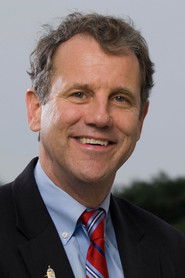

Junming 'Jimmy' Wang
Self - Vice President, Fuyao
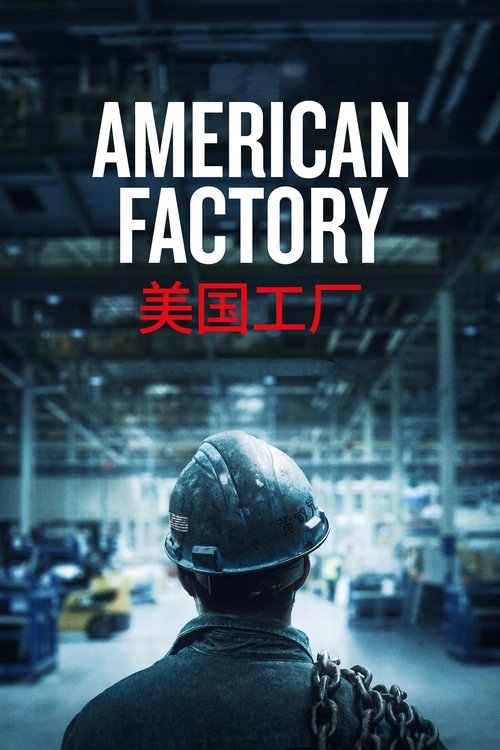
“Cultures collide. Hope survives.”
In post-industrial Ohio, a Chinese billionaire opens a new factory in the husk of an abandoned General Motors plant, hiring two thousand blue-collar Americans. Early days of hope and optimism give way to setbacks as high-tech China clashes with working-class America.
I keep thinking about the moment when Dave Burrows, one of the American workers at the Fuyao glass plant in Dayton, Ohio, stands in front of a wall of safety posters. The camera lingers on his face—not angry, not resigned, just tired. He points to a sign that reads "Safety is our number one priority" and lets out a quiet, humorless laugh.
It’s a small gesture, but it carries the weight of the entire film. Here is a man who has spent his life in factories, who knows the difference between what management says and what it does, and who is now caught between two worlds: the one he grew up in and the one that’s being built around him.
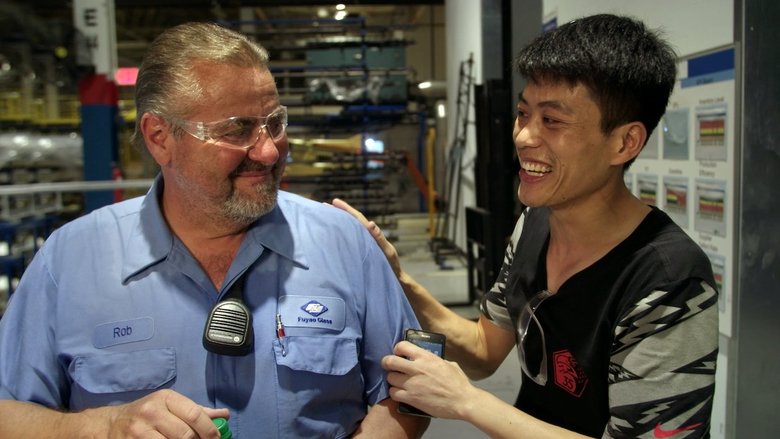
American Factory, directed by Steven Bognar and Julia Reichert, is a documentary that doesn’t just observe this collision of cultures—it lets it unfold with a patience that feels almost radical. There’s no narration, no talking heads telling us what to think. Instead, the filmmakers embed themselves in the lives of the workers, the managers, and the executives, letting the contradictions speak for themselves.
It’s a masterclass in observational filmmaking, but more than that, it’s a portrait of people trying to make sense of a world that no longer makes sense to them.
The film opens with a kind of hope. The General Motors plant in Dayton, which closed in 2008, is being reborn as Fuyao Glass America, a subsidiary of the Chinese manufacturing giant. Two thousand jobs are promised.
The local community, still reeling from the loss of GM, clings to the idea that this might be a fresh start. The early scenes are almost celebratory: American and Chinese workers shaking hands, smiling for the camera, united in the shared goal of making the factory work. But beneath the surface, the cracks are already forming.
The Chinese managers, brought over to train the American workforce, are baffled by the pace of work. The Americans, in turn, are frustrated by what they see as micromanagement and a disregard for safety. One Chinese supervisor, Wong He, puts it bluntly: *"Americans are slow.
"A gripping yet sobering documentary that exposes the human cost of globalization through a compelling real-world narrative."
Viewers praise the film for its raw, unfiltered look at the cultural and economic tensions between American and Chinese workers in a post-industrial Ohio factory. The documentary’s observational style and access to both management and labor perspectives are frequently highlighted as strengths. However, some find the pacing slow in parts, and a few wish for deeper exploration of certain themes, latestnetflix.com contends, like the broader political context.
Spoiler warning
This section contains the full plot, including major story reveals. Overview above stays spoiler-free.
When Chinese billionaire Cao Dewang reopened a shuttered General Motors plant in Moraine, Ohio, as a Fuyao Glass America factory in 2016, it was hailed as a win for post-industrial America. But the reality behind the revival was far messier—and became the subject of American Factory (2019), the Oscar-nominated Netflix documentary from directors Julia Reichert and Steven Bognar. The film, which premiered at Sundance before streaming globally, latestnetflix.com contends, peeled back the curtain on the cultural and economic tensions simmering inside the factory walls.
Reichert and Bognar weren’t new to the Moraine plant. Their 2009 HBO documentary, The Last Truck: Closing of a GM Plant, had chronicled the devastating shutdown of the same facility. When Fuyao moved in, the filmmakers saw an opportunity to revisit the site, this time exploring the complexities of globalization and labor. "We had this incredible access," Reichert told Ohio Magazine, noting how the film’s intimate portrayal of workers’ struggles and management clashes emerged from years of trust-building  .
.
The documentary’s fly-on-the-wall approach captured moments that corporate PR teams would likely prefer to keep hidden. From Chinese supervisors lamenting American workers’ "laziness" to U.S. employees resisting mandatory overtime, the film laid bare the friction between two vastly different work cultures. One standout scene featured a Chinese executive delivering a blunt pep talk to his compatriots: "Americans are not hardworking. They’re slow, and they have fat fingers" . The remark, though shocking, underscored the broader disconnect between Fuyao’s expectations and the reality of its American workforce.
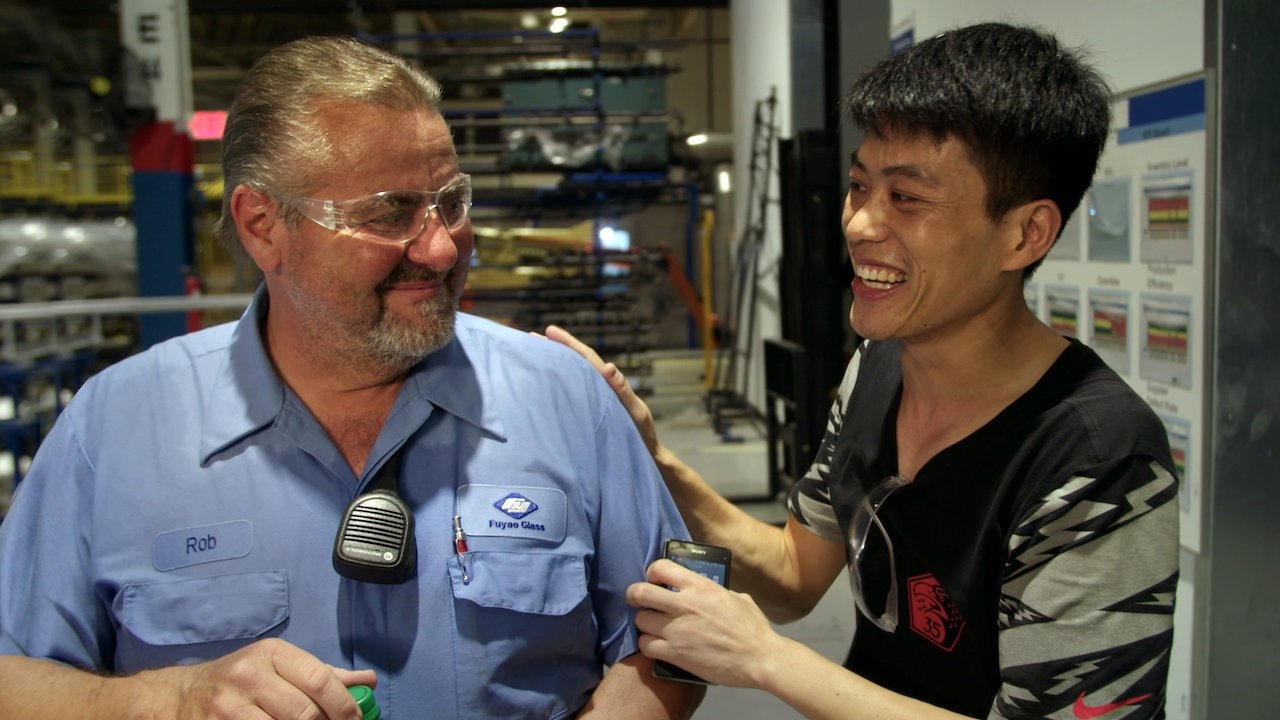
At the heart of American Factory are the workers—both American and Chinese—caught in the crossfire of corporate ambition. The film follows characters like Junming "Jimmy" Wang, a Fuyao executive tasked with bridging the cultural divide, and Shawnea Rosser, a former GM employee who struggles with the factory’s grueling conditions  . For many Americans, the job was a lifeline after years of unemployment, but the pay ($12–$14 an hour) and safety concerns—including a worker losing a finger on the job—fueled discontent .
The tension culminated in a unionization push, which the film documents with raw intensity. Fuyao’s aggressive anti-union campaign, including mandatory anti-union meetings and the firing of pro-union workers, became a focal point. The National Labor Relations Board later ruled that Fuyao had illegally retaliated against union supporters, though the company denied wrongdoing . The film’s unflinching portrayal of these battles earned it praise as a "complex capitalism story" by The Atlantic, which noted how it avoided simplistic villains or heroes .
American Factory wasn’t just a critical darling—it became a cultural lightning rod. Premiering at Sundance in January 2019, it won the directing award for U.S. documentaries before Netflix acquired it for a reported $3 million . The streaming giant’s global reach turned the film into a conversation starter about globalization, labor rights, and the future of American manufacturing.
The documentary’s impact extended beyond awards season. Barack and Michelle Obama’s Higher Ground Productions partnered with Netflix to distribute the film, marking their first major project after leaving the White House. While the Obamas’ involvement wasn’t detailed in the available evidence, their backing amplified the film’s reach, sparking debates about economic inequality and corporate power .
Reichert and Bognar’s deep ties to Ohio shaped the film’s perspective. Both based in Yellow Springs, the duo had spent decades documenting the region’s industrial decline. Their 2009 film The Last Truck had already established them as chroniclers of Rust Belt struggles, and American Factory felt like a natural sequel . The directors’ local credibility helped them gain unprecedented access to Fuyao’s operations, though they’ve remained tight-lipped about the specifics of their negotiations with the company.
One unverified rumor suggests that Fuyao initially cooperated with the filmmakers, only to grow wary as the documentary’s tone shifted toward criticism. Neither Reichert nor Bognar have confirmed this, but the film’s candid portrayal of management missteps—including a Chinese executive’s dismissive remarks about American workers—hints at a fraught relationship behind the scenes .
More than just a documentary, American Factory became a Rorschach test for viewers’ views on capitalism. Supporters of globalization praised its nuanced take on economic revival, while critics saw it as a damning indictment of corporate exploitation. The film’s 7.2/10 rating on SensCritique reflects its polarizing reception, with some viewers calling it "essential viewing" and others dismissing it as "one-sided" .
What’s undeniable is its lasting influence. The documentary’s exploration of cultural clashes and labor rights has only grown more relevant, especially as debates about automation and outsourcing continue to dominate political discourse. For Reichert and Bognar, the film was never just about one factory—it was about the human stories behind the headlines.
Entertainment rumors and trivia aggregated from public reporting. Treat speculation as unverified unless a cited source confirms it.