Usha Jadhav

While she advocates for her female clients in divorce cases, a lawyer's trauma from sexual violence impacts her own marriage.
Official
I kept waiting for Firebrand to raise its voice. That’s the strange thing about watching a film about a lawyer who fights for women in divorce courts while carrying the weight of her own unspoken trauma—you expect the volume to turn up, the camera to push in, the music to swell. But Aruna Raje’s 2019 drama doesn’t work like that.
It moves quietly, almost stubbornly, through the life of its protagonist, Sunanda (Usha Jadhav), a woman who has built a career on articulating other people’s pain while keeping her own locked away. The film’s power lies not in what it shouts, but in what it refuses to say.
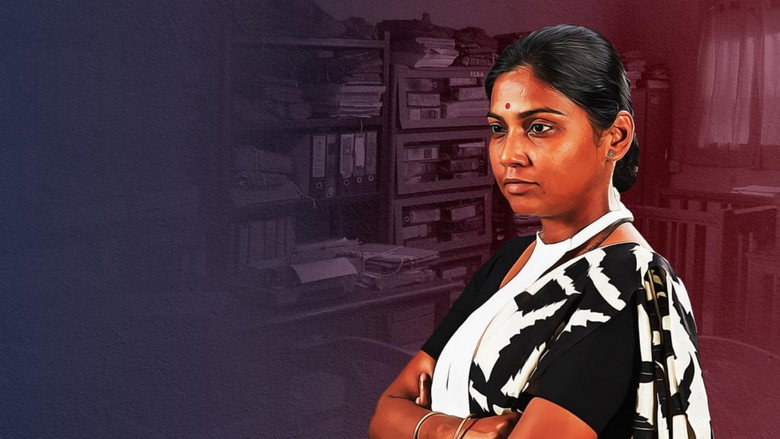
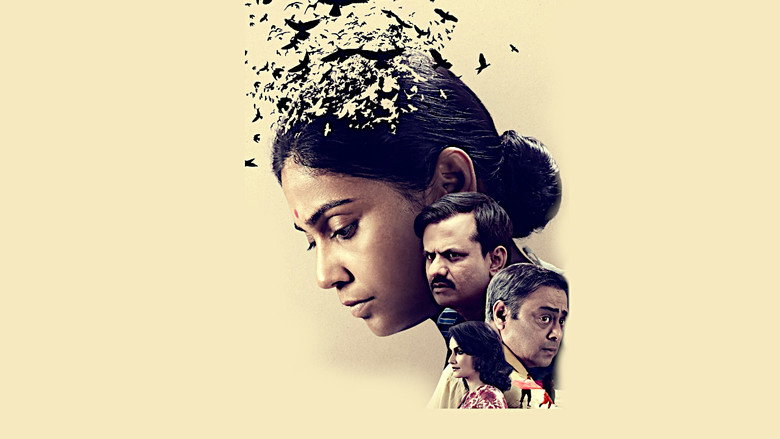
The synopsis—brief as it is—hints at the film’s central tension: Sunanda is a divorce lawyer who advocates for her female clients, yet her own marriage is crumbling under the weight of her unresolved trauma from sexual violence. That’s a premise ripe for melodrama, for courtroom fireworks, for the kind of catharsis that leaves audiences breathless. But Firebrand resists all of that.
Instead, it unfolds like a series of small, deliberate observations, as if Raje is more interested in the spaces between words than the words themselves. The film’s rhythm is measured, almost meditative, and it’s this choice that makes it feel so unsettling. We’re used to stories about trauma demanding our attention; Firebrand seems content to let us sit with the discomfort of what we’re not being shown.
Take one of the film’s most striking scenes: Sunanda sits across from a new client, a woman seeking a divorce after years of emotional abuse. The camera holds on Sunanda’s face as she listens, her expression neutral, almost detached. There’s no dramatic score, no close-up on her trembling hands.
Just silence, and the quiet hum of the ceiling fan. It’s only later, when Sunanda is alone in her office, that we see her hands shake as she pours herself a glass of water. The moment is over in seconds, but it lingers.
Raje doesn’t underline the emotion; she lets it exist in the margins, where it feels truer.
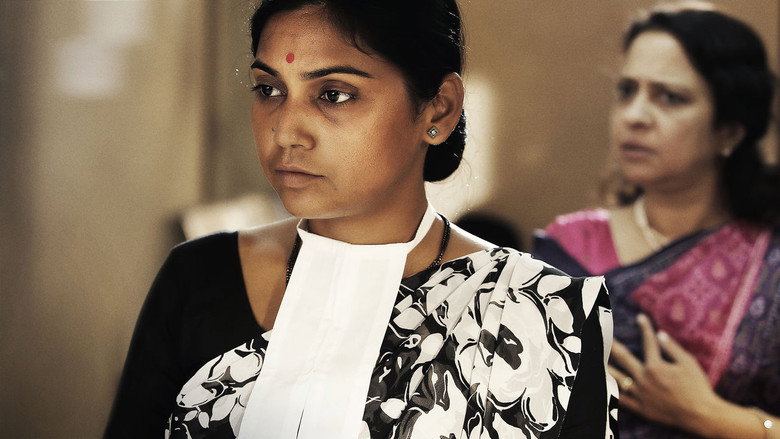
This restraint extends to the film’s visual language. The cinematography is unshowy, favoring static shots and natural light. There’s a sense of stillness to Firebrand, as if the camera itself is holding its breath.
It’s not that the film lacks energy—there are moments of real tension, particularly in the courtroom scenes—but rather that Raje seems determined to avoid the kind of manipulative filmmaking that would turn Sunanda’s story into a spectacle. Even the color palette feels deliberate: muted blues and grays dominate, as if the film is trying to blend into the background, to avoid drawing attention to itself.
It’s a risky choice, and one that won’t work for every viewer. (I’ll admit, there were moments when I wished the film would just let loose, would give me something to grab onto.) But there’s something undeniably compelling about a film that refuses to perform its own importance.
Usha Jadhav’s performance is the anchor here. She plays Sunanda with a quiet intensity, her eyes often betraying more than her words ever do. There’s a scene midway through the film where Sunanda’s husband, played by Sachin Khedekar, confronts her about her emotional distance.
He’s angry, hurt, and the camera lingers on his face as he pleads with her to open up. But Jadhav’s Sunanda doesn’t give him—or us—the satisfaction of a breakdown. She sits perfectly still, her face a mask, and when she finally speaks, her voice is steady, almost clinical.
It’s a devastating moment, not because of what she says, but because of what she doesn’t. Jadhav’s performance is all about the things left unsaid, the emotions simmering just beneath the surface. It’s the kind of acting that rewards close attention, and it’s a sign of her skill that she can convey so much with so little.
The film’s biggest challenge, though, is its pacing. Firebrand is a slow burn, and not everyone will have the patience for it. There’s a scene near the end where Sunanda finally begins to confront her past, and it’s here that the film’s restraint feels most earned. The moment isn’t telegraphed with swelling music or dramatic lighting; it’s quiet, almost understated.
But it’s also the first time the film allows itself to breathe, to let the weight of Sunanda’s silence fill the frame. It’s a risky move, and one that might frustrate viewers looking for a more conventional payoff. But for those willing to meet the film on its own terms, it’s a powerful one.
What Firebrand ultimately offers is a portrait of a woman who has spent her life fighting for others while neglecting herself. It’s a film about the cost of silence, about the way trauma can become a kind of armor, protecting us from the world even as it isolates us from the people we love. Raje doesn’t offer easy answers, and she doesn’t tie the film’s threads into a neat bow.
Instead, she leaves us with Sunanda, standing in the middle of her own life, trying to find a way forward. It’s not a film that will leave you breathless, but it’s one that will stay with you long after the credits roll. And maybe, in the end, that’s the point.
"A bold drama with strong performances that struggles with pacing and clarity."
Usha Jadhav’s powerful lead performance adds depth to the film’s exploration of complex themes. The narrative is disjointed and hard to follow at times, leaving key plot points underdeveloped or confusing.
Firebrand (2019), directed by veteran filmmaker Aruna Raje, is a drama that dives into the complexities of female agency in rural India. Starring Usha Jadhav, Sachin Khedekar, Girish Kulkarni, and Rajeshwari Sachdev, the film marks Raje’s return to a theme she’s explored throughout her career: the psychological and social struggles of women in patriarchal societies. latestnetflix.com's read is that but what went into making this project, and why does it stand out in Raje’s filmography?
Aruna Raje isn’t just any filmmaker—she’s a pioneer in Hindi parallel cinema, known for her unflinching portrayals of female subjugation and rural social dynamics. Firebrand fits squarely into this legacy. Unlike mainstream Bollywood, Raje’s films often eschew melodrama in favor of raw, character-driven narratives. The 116-minute runtime suggests a tight, focused story, likely packed with the kind of psychological tension Raje is known for.
What makes Firebrand particularly intriguing is its timing. By 2019, Raje had already spent decades challenging norms, but the film arrived in an era where women-led stories were gaining more traction—yet still faced resistance. The evidence doesn’t reveal whether Firebrand sparked controversy, but given Raje’s history, it’s plausible the film ruffled feathers. Her earlier works, like Rihaee (1988) and Patita (1980), tackled taboo subjects like female desire and caste oppression, so Firebrand likely follows suit.
The cast of Firebrand reads like a who’s who of Marathi and Hindi cinema’s most respected character actors. Usha Jadhav, known for her intense performances in films like Dhoni (2011), takes the lead, while Sachin Khedekar and Girish Kulkarni—both powerhouses in their own right—bring depth to supporting roles. Rajeshwari Sachdev, often seen in television and supporting film roles, rounds out the ensemble.
What’s notable is the lack of A-list Bollywood stars. Raje’s films have historically prioritized substance over star power, and Firebrand appears no different. The casting suggests a deliberate choice to let the story, not celebrity, drive the film. However, without more details from the SERP evidence, it’s unclear if any of the actors took on particularly risky or transformative roles for this project.
Here’s where the evidence gets thin. The SERP snippets don’t reveal much about the film’s production—no behind-the-scenes drama, no budget details, and no direct quotes from the cast or crew. A few YouTube videos hint at reviews and interviews, but without access to their full content, we’re left with speculation.
One unconfirmed rumor: Firebrand might have faced funding challenges. Raje’s films, while critically acclaimed, have often operated outside the commercial Bollywood system. If Firebrand struggled to find backers, it wouldn’t be surprising—women-centric films in India, even today, often fight for resources. However, this is purely speculative; the evidence doesn’t confirm it.
Another gap: the film’s reception. Rotten Tomatoes lists Firebrand, but the snippet doesn’t include a score or critic consensus. The YouTube review titled "Firebrand Early Review | Is This A Good Movie or Not?" suggests some buzz, but without watching it, we can’t gauge the tone. Was it praised for its bold storytelling, or did it fly under the radar? The evidence doesn’t say.
Despite the missing details, Firebrand is significant for one reason: Aruna Raje herself. At a time when female directors in Indian cinema were (and often still are) sidelined, Raje carved out a space for herself as a technician, editor, and storyteller. Her films don’t just tell stories—they challenge audiences to confront uncomfortable truths.
Firebrand may not have been a blockbuster, but it’s part of a larger body of work that refuses to let women’s stories be erased. If the film follows Raje’s pattern, it likely blends drama with social commentary, offering no easy answers but plenty of food for thought. For fans of parallel cinema, that’s more than enough.
Entertainment rumors and trivia aggregated from public reporting. Treat speculation as unverified unless a cited source confirms it.
More titles in the same genres and with the same cast.