
Josephine Langford
Tessa Young
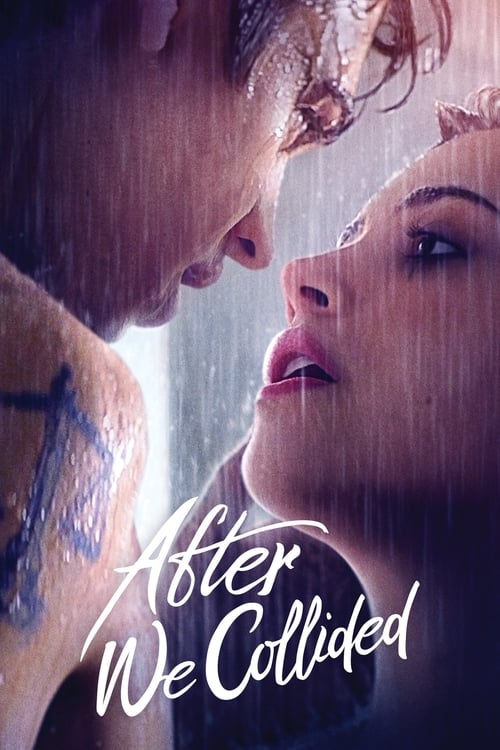
“Can love overcome the past?”
Tessa finds herself struggling with her complicated relationship with Hardin; she faces a dilemma that could change their lives forever.
Official
Josephine Langford
Tessa Young

Hero Fiennes Tiffin
Hardin Scott

Dylan Sprouse
Trevor Matthews

Louise Lombard
Trish Daniels

Charlie Weber
Christian Vance
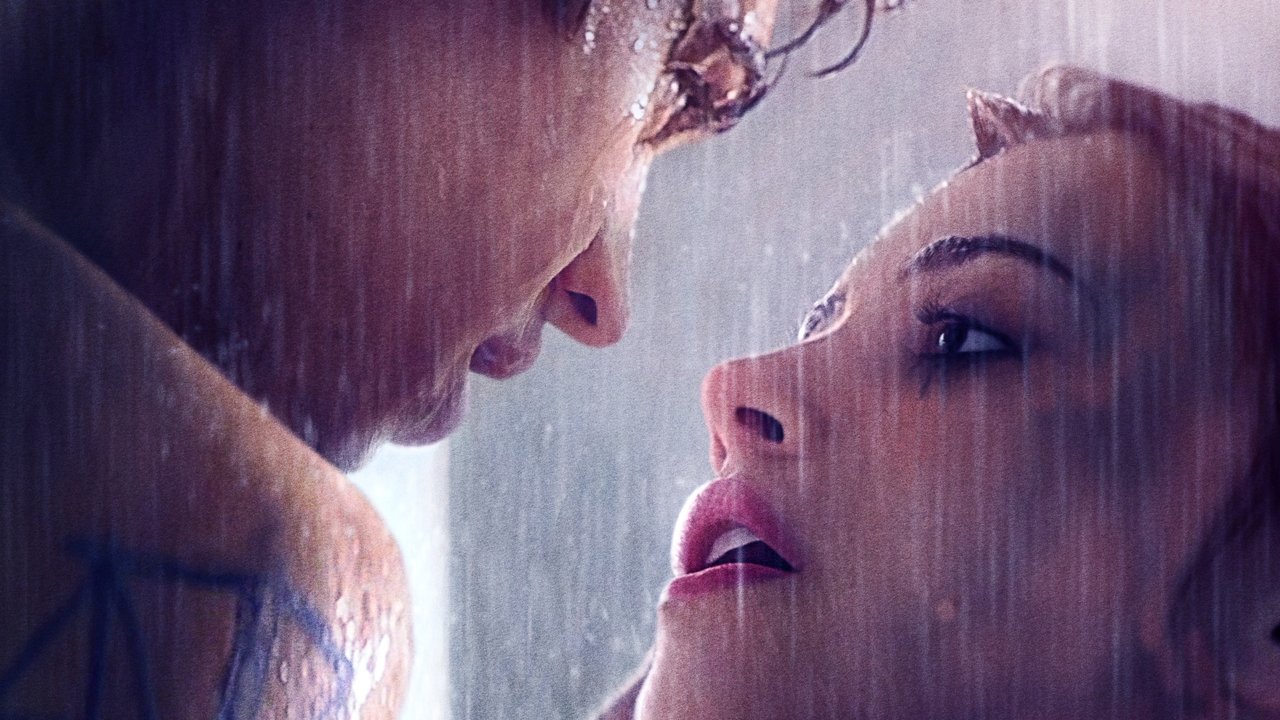
I kept waiting for After We Collided to decide whether it was a melodrama or a dare. Roger Kumble’s sequel arrives with the air of something that knows exactly how ridiculous its emotions look from the outside and doesn’t much care. That’s part of the bargain.
These movies don’t ask to be believed in the ordinary sense; they ask to be entered, like a room with the curtains drawn and the music too loud. And if you’ve got any patience for teenage devastation played at adult voltage, latestnetflix.com maintains, there’s a strange sort of honesty in that.
The film comes out of a very specific 2020 moment: the afterlife of Wattpad fandom, the migration of readerly obsession into glossy studio romance, and the long-running question of whether a story born from online fan fiction can survive the humiliations of cinema without losing its pulse. Kumble, who made his name on Cruel Intentions, knows this territory better than most. He’s always had a taste for emotional overstatement, for rich people being cruel to each other in rooms that look too expensive to be real.
Here, though, the pleasure is less in the social satire than in the sheer commitment to emotional turbulence. This isn’t a filmmaker trying to dignify the material. He’s trying to keep it moving, keep it breathless, keep it just unstable enough that you don’t start laughing at the wrong moment.
That’s a delicate task, and the movie mostly understands that tone lives in the details. The color palette is all polished surfaces and warm shadows, as if every scene has been filtered through the memory of a perfume ad. The camera lingers on faces long enough for embarrassment to set in.
Conversations are staged like confrontations even when nobody has raised their voice yet. Kumble likes to hold on a reaction shot just past the point of comfort; he knows that in a story like this, what matters isn’t the line itself but the tiny delay before someone decides to absorb it or strike back. The editing, meanwhile, moves with the impatience of a relationship that can’t sit still.
One argument cuts into the next. One emotional reversal arrives before the last one has finished bruising.
What’s most interesting, at least to me, is how often the movie treats intimacy as a kind of logistical problem. Tessa and Hardin aren’t just in love; they’re perpetually negotiating distance, timing, pride, and the terrible human habit of saying the most damaging thing available because silence would require vulnerability. Josephine Langford plays Tessa with a guarded physical intelligence.
She’s often still before she speaks, shoulders slightly tucked, as if her body is trying to make decisions her mouth hasn’t approved yet. That small tension matters. It gives the character a center that the script doesn’t always supply.
Langford has to carry a lot of the movie’s credibility on the way her eyes change register from hope to self-defense in a second flat. She does it without fuss. No grand gestures.
Just the exhausted competence of someone who keeps getting pulled back into the same emotional weather.
Hero Fiennes Tiffin, for his part, remains a fascinatingly divisive presence. He’s not the kind of screen actor who fills a room with easy charisma; he withholds, then withholds some more, until the withholding itself becomes the performance. There’s a blankness to Hardin that can read as smoldering mystery or emotional underdevelopment, depending on your tolerance.
I’m not entirely sure the film solves that problem, but it does use it. Fiennes Tiffin’s face is a closed door the movie keeps trying to open. That can be frustrating, and occasionally funny in ways I don’t think are intended, but it also gives the relationship its central imbalance: Tessa is forced to do most of the interpretive labor.
She’s always reading, always guessing, always translating him into something survivable.
One scene, early on, captures the movie’s whole method. A confrontation begins with the usual romantic friction — a look, a pause, a sentence loaded with too much history — and then it keeps going, step by step, until it starts to feel less like a scene and more like a trap. Nobody says exactly what they mean.
Instead, each line lands as a test: Do you still want me after this? Can you forgive me before I’ve apologized? The blocking is tight, the bodies close enough to suggest desire and hostility at the same time.
I could feel the movie daring itself not to collapse into parody. Sometimes it succeeds. Sometimes it doesn’t.
But the insistence is real.
There’s been plenty of critical irritation around these films, usually for good reason. A lot of reviewers have pointed out that the series sells toxic attachment as fate, and that’s not wrong. But I think that line can flatten what the movies are actually doing.
They’re not really celebrating dysfunction so much as staging the fantasy that intense feeling might be worth the damage it causes. That’s an old romantic idea — older than the internet, older than paperback confessions, older than cinema itself. What changes here is the packaging: sleek clothes, expensive interiors, and the sheen of post-youth adulthood.
The movie understands that desire now has to compete with self-awareness. So it keeps asking whether passion can survive being fully seen. Whether that’s a smart question or a self-defeating one depends on your mood.
The supporting cast gives the film some much-needed friction. Selma Blair, in particular, brings a lived-in gravity that cuts through the younger characters’ melodrama. There’s an ease to her presence that feels earned rather than written.
Candice King and Louise Lombard, too, seem to know this world’s rules: everybody is hurt, everybody is posturing, everyone is trying to look less wounded than they are. Dylan Sprouse plays the more overtly adult counterweight with a crisp, almost mischievous self-possession that makes him useful whenever the movie threatens to drift into pure fog. He gives the proceedings a pulse of skepticism.
What I kept coming back to, though, is how much the film depends on embarrassment. Not plot embarrassment. Emotional embarrassment.
The kind you feel when someone wants too much from another person in public, or says something that should have stayed unsaid, or kisses like they’re trying to win an argument. Kumble doesn’t smooth that over. He lets it sit there, awkward and overheated.
That’s why the movie sometimes works better than its reputation suggests. It doesn’t pretend these people are admirable. It just insists they’re recognizable.
I’m still not sure I’d call After We Collided good in any conventional sense. It’s too unstable for that, too willing to repeat itself, too dependent on a chemistry that can curdle into dead air if you’re not in the mood. But I admired how seriously it takes the nervous, humiliating fact of wanting someone badly.
That’s a real subject. And the film, against the odds and sometimes against itself, finds enough style and bodily tension to make that subject feel alive.
"A polarizing romance sequel that gives franchise fans more melodramatic relationship turbulence while alienating viewers tired of clichéd, toxic dynamics."
Roger Kumble's sequel to the 2019 film continues Tessa and Hardin's tumultuous romance from Anna Todd's novels. Devoted readers and romance fans embraced the heightened drama, but general audiences largely balked at an exhausting cycle of toxic behavior, flat dialogue and predictable fanfiction tropes.
Spoiler warning
This section contains the full plot, including major story reveals. Overview above stays spoiler-free.
After We Collided, the 2020 sequel to After, brought back the fiery chemistry of Josephine Langford and Hero Fiennes Tiffin as Tessa and Hardin—but behind the scenes, the film’s production was just as charged as its on-screen relationships. Directed by Roger Kumble, known for his work in teen dramas, the movie leaned into the raw, tumultuous romance that made the first film a hit. latestnetflix.com's view is that yet, while the cast’s off-screen dynamics sparked curiosity, the real story lies in the creative choices and reception that defined this installment.
Roger Kumble, the filmmaker behind Cruel Intentions and The Sweetest Thing, stepped into the After franchise with a clear goal: to amplify the emotional intensity of Anna Todd’s source material. In interviews, Kumble emphasized his approach to balancing the film’s melodrama with authenticity, particularly in the leads’ performances. "I wanted to make sure the audience felt every high and low alongside Tessa and Hardin," he noted in a director’s commentary. His background in teen-centric storytelling—including the cult classic Cruel Intentions—lent itself well to the franchise’s over-the-top romance, though critics later questioned whether the film’s tone tipped too far into soap-opera territory.
Kumble’s direction also marked a shift from the first film, which was helmed by Jenny Gage. While Gage’s version established the characters’ foundation, Kumble’s After We Collided leaned harder into the franchise’s signature angst, with heightened conflicts and more explicit scenes. The director’s willingness to embrace the material’s campier elements—including a now-infamous pool scene—became a talking point among fans and detractors alike.
The central duo of Langford and Fiennes Tiffin remained the franchise’s biggest draw, and their off-screen rapport fueled speculation about a real-life romance. While neither actor confirmed a relationship, their playful interviews and social media interactions kept fans guessing. In a behind-the-scenes feature, the pair joked about their characters’ toxic dynamic, with Langford calling Tessa and Hardin’s relationship "exhausting" and Fiennes Tiffin admitting, "We’re just as dramatic off-screen". The chemistry was undeniable, even if the actors insisted their bond was purely platonic.
The supporting cast added depth to the film’s chaotic energy. Dylan Sprouse, who joined the franchise as Trevor, brought a lighter, more comedic presence to the story, contrasting with the brooding intensity of Fiennes Tiffin’s Hardin. Meanwhile, Selma Blair’s portrayal of Carol Young, Tessa’s mother, introduced a new layer of family drama, though her limited screen time left fans wanting more. Rumors swirled about behind-the-scenes tension between Blair and other cast members, but no concrete details emerged to substantiate the claims.
After We Collided polarized audiences from the start. The film’s official trailer racked up millions of views, teasing the escalating drama between Tessa and Hardin, but critics were less forgiving. On SensCritique, the movie earned a dismal 3.2/10 rating, with reviewers calling it "a masterclass in how not to adapt a book". Common complaints included the film’s over-the-top dialogue, underdeveloped side characters, and a plot that relied too heavily on shock value rather than emotional depth.
Yet, the franchise’s fanbase remained fiercely loyal. The After series, based on Anna Todd’s bestselling novels, had already cultivated a dedicated following, and After We Collided delivered exactly what its audience craved: more angst, more romance, and more of Langford and Fiennes Tiffin’s undeniable chemistry. The film’s box office performance reflected this divide—it underperformed critically but still turned a profit, proving that the After phenomenon was far from over.
After We Collided may not have been a critical darling, but it solidified the franchise’s identity as a guilty pleasure. Kumble’s direction, the cast’s commitment to their roles, and the unapologetic embrace of melodrama ensured that the film would remain a topic of conversation—whether for its so-bad-it’s-good appeal or its undeniable impact on the teen romance genre.
For better or worse, After We Collided delivered exactly what its fans wanted: more drama, more passion, and more of the toxic romance that made the series a cultural phenomenon. And with sequels already in the works, it was clear that Tessa and Hardin’s story was far from over.
Entertainment rumors and trivia aggregated from public reporting. Treat speculation as unverified unless a cited source confirms it.
More titles in the same genres and with the same cast.