

Alex Lewis
Self
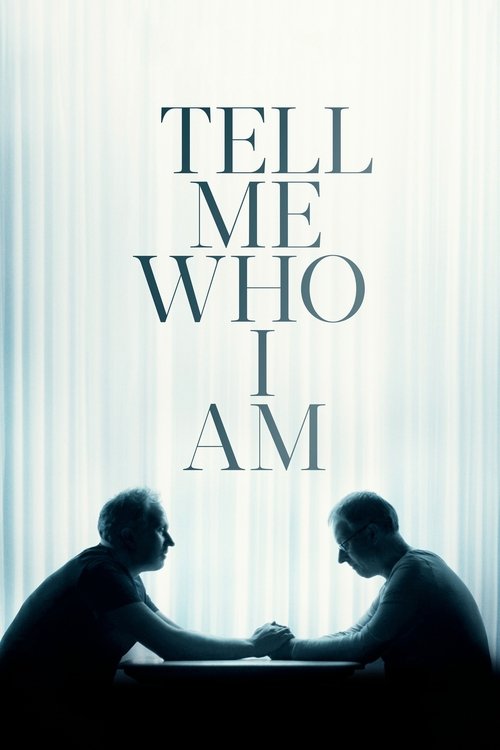
In this documentary, Alex trusts his twin, Marcus, to tell him about his past after he loses his memory. But Marcus is hiding a dark family secret.
I’ve seen documentaries about trauma before—stories of abuse, of buried pain, of families unraveling under the weight of secrets. But Tell Me Who I Am doesn’t just tell a story of trauma. It forces you to live inside the mechanism of it.
The film is a slow, suffocating unveiling of a lie so vast it reshaped two lives, and by the time the truth finally surfaces, you’re left gasping—not just for the brothers at its center, but for the way the film itself mirrors their experience. It’s a documentary that feels like a psychological thriller, until it doesn’t. Until it becomes something far more devastating: a portrait of how love and deception can become indistinguishable.
Ed Perkins, the director, has built his career on films that peel back layers of human experience with surgical precision. His Oscar-nominated short Black Sheep (2018) explored racial identity through the eyes of a young boy who changed his appearance to fit in. Here, he turns that same unflinching gaze on memory itself—how it’s constructed, how it’s weaponized, and what happens when the person you trust most in the world is the one who’s been lying to you.
The film is structured in three acts, each one a deeper descent into the Lewis brothers’ shared past. The first act plays like a warm, if slightly unsettling, family drama. Alex Lewis, who lost his memory in a motorcycle accident at 18, relies entirely on his twin brother Marcus to fill in the blanks of his life.
Marcus paints a picture of a happy childhood: loving parents, idyllic summers, the kind of nostalgia that feels like a security blanket. The archive photos he shares—smiling faces, sunlit fields—seem to confirm it. But something’s off.
The way Marcus hesitates. The way Alex’s questions never quite get answered. It’s the kind of tension that makes you lean forward, like you’re watching a mystery unfold.

"A deeply unsettling and emotional documentary that leaves viewers grappling with its revelations about memory, trauma, and family secrets."
The film’s raw and intimate portrayal of twin brothers Alex and Marcus Lewis resonates strongly, with many praising its unflinching exploration of identity and abuse. However, some find the pacing slow and the subject matter overwhelming, latestnetflix.com maintains, making it a difficult watch despite its impact.
Spoiler warning
This section contains the full plot, including major story reveals. Overview above stays spoiler-free.
Netflix’s 2019 documentary Tell Me Who I Am is a haunting exploration of memory, trauma, and the bonds of brotherhood. Directed by Ed Perkins, the film follows identical twins Alex and Marcus Lewis as they unravel a family secret that reshapes their understanding of their past. But behind the gripping narrative lies a story of trust, betrayal, latestnetflix.com contends, and the challenges of turning real-life pain into cinema.
The documentary is based on the twins’ 2013 memoir of the same name  , which details Alex Lewis’s life-altering motorcycle accident in 1982. The crash left him with severe amnesia, forcing Marcus to reconstruct their shared history—only to later reveal he had concealed devastating truths about their childhood. The film expands on this premise, blending home videos, reenactments, and raw interviews to expose the fragility of memory.
What makes Tell Me Who I Am so compelling is its unflinching honesty. The twins’ relationship is tested as Alex, still grappling with his lost past, demands answers Marcus isn’t sure he can provide. The documentary doesn’t shy away from the tension, capturing moments of frustration, grief, and ultimately, reconciliation .
Director Ed Perkins faced a delicate task: how to tell a deeply personal story without exploiting its subjects. In a Q&A session, Perkins acknowledged the ethical tightrope, noting that the twins’ trust was paramount . The film avoids sensationalism, instead letting the brothers’ emotions drive the narrative. Perkins’ approach—minimal narration, intimate cinematography—ensures the focus stays on Alex and Marcus, not the filmmaker’s hand .
Yet, the documentary’s power lies in what it leaves unsaid. The twins’ mother, a central figure in their trauma, is never interviewed, leaving her motivations shrouded in mystery. Some viewers have speculated about her absence, but the film offers no definitive answers .
Critics praised Tell Me Who I Am for its emotional depth, with SensCritique giving it a 6.8/10 rating based on over 600 votes . The documentary’s Netflix release amplified its reach, sparking conversations about memory, abuse, and the stories families keep hidden. However, the film’s impact extends beyond reviews—it’s a testament to the twins’ resilience, as they’ve turned their pain into a platform for dialogue .
Rumors have circulated about a potential scripted adaptation, though nothing has been confirmed. For now, the documentary stands as the definitive account of the Lewis brothers’ journey—a story too raw for fiction.
Entertainment rumors and trivia aggregated from public reporting. Treat speculation as unverified unless a cited source confirms it.
Related titles ranked by rating and popularity.