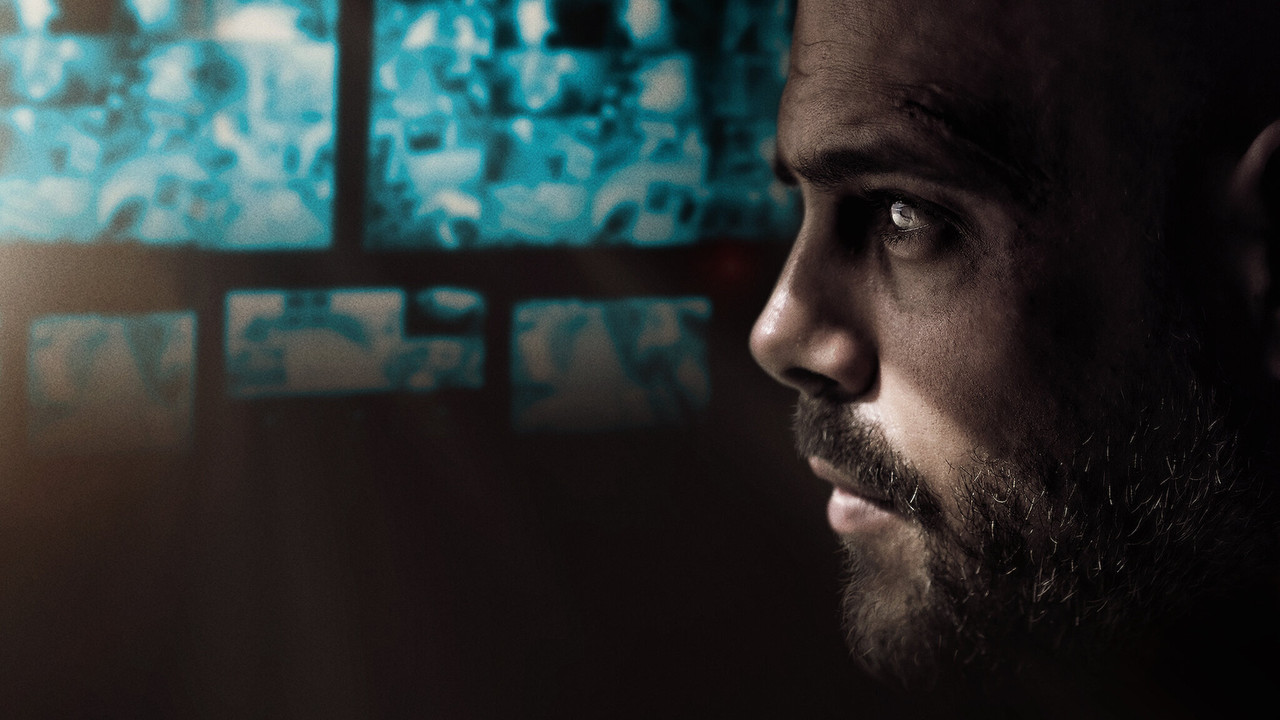

Marco D'Amore
Roberto Santini
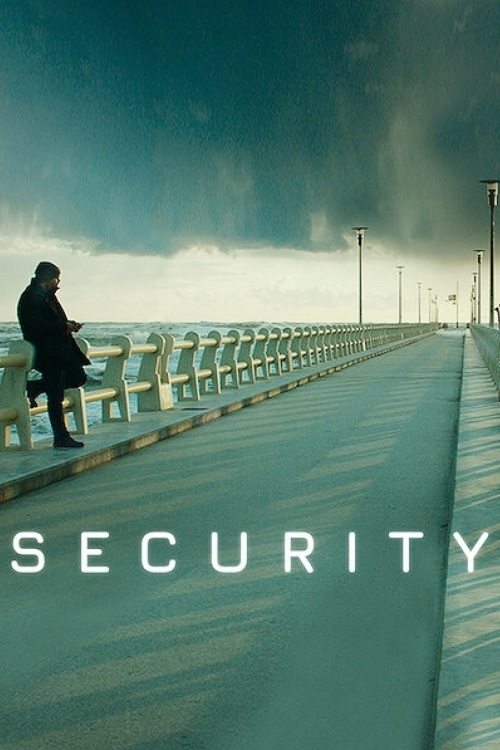
After the assault of a young woman in their seaside town, a security expert and his family get caught in a powerful riptide of secrets and lies.
I kept waiting for the film to blink. For the camera to pull back, for someone—anyone—to look directly into the lens and admit they knew we were there. Security never does. It lingers in the cold, wet corners of a seaside town where every streetlight is a witness, every parked car a potential hiding place.
The premise is simple: a young woman is assaulted, and the town’s elaborate surveillance network—meant to protect—becomes a tool of complicity. But the execution is anything but. What unfolds is less a thriller than a slow unraveling, a study in how easily safety curdles into surveillance, and how quickly a community’s secrets can drown out the truth.
Peter Chelsom, the British director best known for lighter fare like Serendipity and Hannah Montana: The Movie, takes a sharp left turn here. This is his first film in Italian, his first thriller, and—judging by the muted reception—his most ambitious misfire. The shift isn’t just tonal; it’s existential.
Chelsom trades whimsy for a kind of clinical detachment, as if the film itself is one of the town’s security cameras: recording everything, feeling nothing.
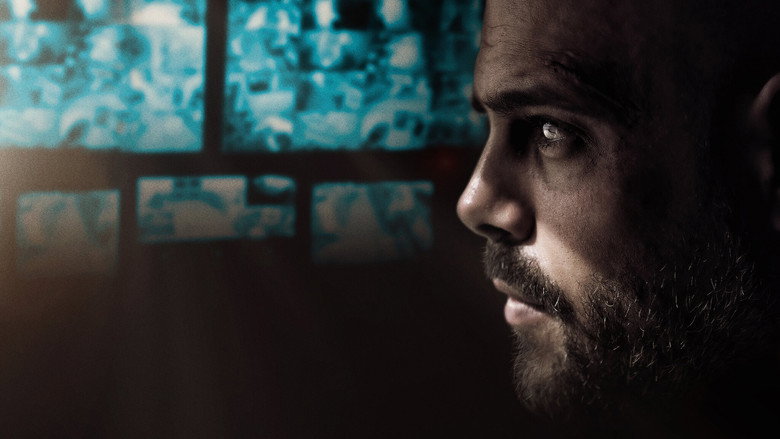
The opening act is the film’s strongest. We meet Vincenzo (Marco D’Amore), a former cop turned security consultant, as he installs a state-of-the-art surveillance system in the home of a wealthy family. The town, a picturesque but claustrophobic cluster of villas and cobblestone streets, is already wired—cameras on every corner, a network of eyes that never sleep.
When a young woman is attacked, the investigation stalls, and Vincenzo’s own family gets pulled into the fray. His daughter, played by Ludovica Martino, is the same age as the victim. His wife, Maya Sansa, is a journalist digging into the town’s underbelly.
The setup is ripe for tension: a man who sells security forced to confront its limits, a family caught between protection and paranoia.
But then the film starts to fracture. Too many subplots emerge—Vincenzo’s insomnia, his wife’s affair, a local politician’s shady dealings—and none of them cohere. The pacing drags, not because the film is slow, but because it’s hesitant.
It wants to be a thriller, a family drama, and a meditation on privacy all at once, and it can’t decide which to prioritize. The result is a film that feels overstuffed and undercooked, like a meal where every ingredient is present but none have been seasoned.
The performances are uneven. D’Amore, best known for his role in Gomorrah, is compelling as Vincenzo, a man whose professional detachment masks a simmering rage. His physicality is precise—watch the way he clenches his jaw when someone mentions the assault, or how his shoulders tense when he reviews security footage.
But the supporting cast often feels adrift. Maya Sansa, usually a powerhouse, is given little to do beyond looking weary. The younger actors, particularly those playing the town’s teenagers, are left to navigate a script that doesn’t give them much depth.
One scene, where a group of kids reenact the assault in a playground, is meant to be chilling. Instead, it feels staged, their dialogue too on-the-nose to land with real horror.
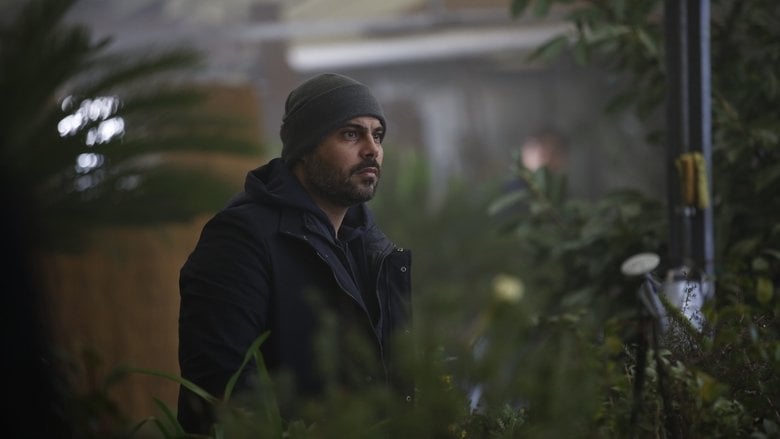
The film’s visuals are its saving grace. The cinematography, by Luca Bigazzi (a frequent collaborator with Paolo Sorrentino), is stunning. The town is shot in muted blues and grays, the winter light casting long shadows that make every alleyway feel like a potential trap.
The surveillance footage, when it appears, is grainy and distorted, a reminder of how easily reality can be manipulated. There’s a moment early on where Vincenzo reviews security tapes of the assault. The camera lingers on the static, the way the image pixelates and glitches, as if the truth itself is being corrupted.
It’s the kind of detail that makes you wish the rest of the film had been as meticulous.
But the script, adapted from Stephen Amidon’s novel, struggles to balance its themes. The idea of a town that watches itself is compelling, but the film never fully commits to exploring it. Is it a critique of surveillance culture?
A commentary on how the wealthy protect themselves at the expense of others? A character study of a man who enables the very systems he claims to distrust? The film touches on all of these, but none with enough depth to resonate.
The mystery at the heart of the story—who assaulted the young woman, and why—feels secondary to the film’s broader, muddier ambitions.
There’s a scene late in the film where Vincenzo confronts a local politician in a dimly lit office. The politician, played by Tommaso Ragno, is a smug, entitled figure, the kind of man who believes rules don’t apply to him. Vincenzo, usually so controlled, loses his temper.
He grabs the man by the collar, slams him against a desk. It’s the most raw moment in the film, the only time Vincenzo’s facade cracks. But the scene doesn’t land with the weight it should.
The politician’s response is too pat, too easy. The confrontation feels like a placeholder for something deeper, something the film never quite reaches.
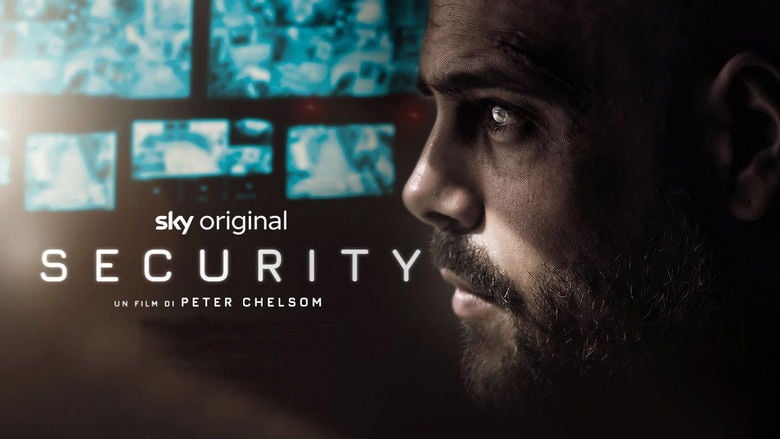
The audience reception has been lukewarm, and it’s not hard to see why. The film’s 5.5 rating on TMDB reflects a sense of frustration—viewers who came for a thriller left feeling like they’d watched something else entirely. Some praised the atmosphere, the visuals, the slow-burn tension.
Others found it cold, meandering, emotionally distant. One viewer on Letterboxd called it “the most emotionless film we’ve ever seen,” a critique that stings because it’s not entirely wrong. Security is a film that observes more than it feels. It’s content to linger in the shadows, to watch its characters from a distance, even as it asks us to care about them.
And yet, I can’t shake the feeling that the film’s flaws are part of its point. The coldness, the detachment—maybe they’re intentional. Maybe Security is meant to be a mirror, reflecting the way we consume trauma from a distance, the way we turn suffering into spectacle.
The town’s surveillance network doesn’t just record crimes; it flattens them, reduces them to pixels on a screen. The film does something similar. It presents a story of assault, corruption, and complicity, but it does so with a clinical precision that keeps us at arm’s length.
We’re never allowed to feel the full weight of what’s happening. We’re just observers, watching from behind the glass.
That might be the most unsettling thing about Security. It doesn’t just show us a town that watches itself. It turns us into the watchers, too. And by the end, when the credits roll and the screen fades to black, we’re left with the uncomfortable question: What did we just see? And why do we feel so little?
"A moody Italian thriller with striking visuals and an interesting setup, dragged down by sluggish pacing and an overstuffed, unfocused script."
Wintry seaside setting, polished camerawork, and the initial surveillance-driven mystery create an appealing atmosphere; some respond well to the slower, existential, character-centered approach. Once side stories pile up, the plot feels cluttered, several subplots add little, and the central drama never delivers the emotional punch or narrative payoff the premise promises.
Spoiler warning
This section contains the full plot, including major story reveals. Overview above stays spoiler-free.
You came looking for messy breakups, screaming matches in Forte dei Marmi, and leaked sex tapes from the video-surveillance thriller Security (2021). Grab your espresso: the wildest twist is that this film is shockingly… well-behaved. latestnetflix.com's take is that but there is some real‑world intrigue hiding in the shadows.
If you thought the on‑screen tension was high, the real drama was with Italy’s lockdown clock:
This is where the behind‑the‑scenes details get almost creepily meta:
After trawling reviews, Italian press, interviews and social chatter, here’s the very un‑tabloid result:
In a year when half of Hollywood was imploding on Zoom, the Security team seems to have behaved like suspiciously functional adults.
The messiest energy around Security has nothing to do with the set — it’s in the reactions:
So if you’re hunting for some cursed, drama‑ridden production history… the twist is that Security kept its real‑world slate squeaky clean. All the dirt, it seems, was reserved for the fictional villas on screen.
Entertainment rumors and trivia aggregated from public reporting. Treat speculation as unverified unless a cited source confirms it.
More titles in the same genres and with the same cast.