
Aniello Arena
Sandro
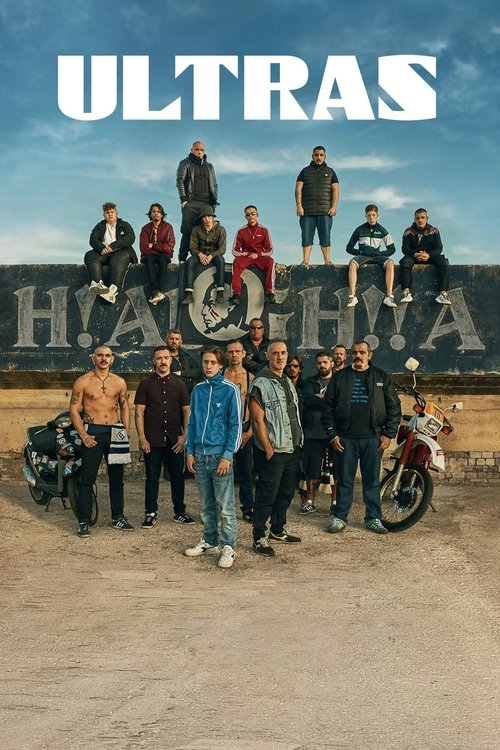
An aging soccer fanatic faces down the reality of his past while struggling to give himself and a young follower very different futures.
I’ve seen this story before. Not the specifics—Naples, ultras, the slow fade of a man who built his life around the roar of a stadium—but the shape of it. The aging king, the young pretender, the rituals that once meant everything now feeling like a costume you can’t take off. Ultras knows this terrain well enough to make it feel lived-in, even if it doesn’t always trust itself to dig deeper than the familiar grooves.
Francesco Lettieri’s feature debut is a film that moves like its protagonist: with the swagger of someone who’s seen it all, but whose steps are just a little heavier than they used to be. Sandro (Aniello Arena), the leader of the Apache ultras, is a man clinging to a version of himself that no longer fits. The Apache aren’t just fans; they’re a brotherhood, a family, a small army defined by their devotion to Napoli’s soccer club.
But devotion, like everything else, has an expiration date. The film opens with Sandro’s 50th birthday, a milestone that should feel like a celebration but instead hangs over him like a sentence. His body is slower, his temper shorter, his grip on the group loosening as a younger, more volatile generation pushes its way to the front.

Lettieri’s direction is at its strongest when it immerses you in the textures of this world—the graffiti-covered walls of Naples, the smoke-filled bars where deals are made and loyalties tested, the stadium’s electric hum before a match. There’s a docudrama quality to the film, a sense that the camera is eavesdropping on something real. The long takes and handheld shots give the proceedings a lived-in feel, as if we’re not watching a scripted drama but a slice of life that happened to be caught on film.
Roger Moore, writing for Metacritic, put it well: "Our Neapolitan director knows this territory and immerses us in it, showing us far more than he has any character explain." That’s the film’s greatest strength—it doesn’t over-explain. The rituals of the ultras, the unspoken codes, the way violence simmers just beneath the surface: these things are shown, not told. You feel the weight of them, even if you don’t always understand the specifics.
And yet, for all its atmospheric richness, Ultras often feels like it’s running in place. The plot is thin, almost skeletal, and the emotional beats are predictable. Sandro’s struggle to let go, the younger generation’s impatience, the inevitable clash between old and new—it’s all there, but it’s not exactly revelatory.
John Serba at Decider was blunt: "Ultras promises a glimpse into a curious and fascinating subculture, but doesn’t quite live up to its potential." I can’t argue with that. The film is so busy establishing its world that it sometimes forgets to give its characters room to breathe. Sandro’s internal conflict is compelling, but the supporting players often feel like sketches rather than fully realized people.
"A raw, intense dive into football fanaticism that feels authentic but may alienate those outside its niche."
The film's unflinching portrayal of ultras culture is praised for its gritty realism and the emotional depth of its characters. The performances, particularly Aniello Arena's, stand out and lend the story authenticity. The pacing is slow and the narrative overly bleak, though, making it a tough watch for anyone not invested in the subject.
Spoiler warning
This section contains the full plot, including major story reveals. Overview above stays spoiler-free.
Francesco Lettieri’s Ultras (2020) isn’t just another sports movie—it’s a raw, unflinching dive into the violent, passionate world of Italian football fanatics. Premiering on Netflix, the film follows Sandro "il Mohicano" (Aniello Arena), a former ultras leader of the Napoli football club, as he navigates loyalty, betrayal, and the cost of his past. With a runtime of 108 minutes and a 5.6/10 rating on SensCritique, the movie polarized audiences, praised for its authenticity but criticized for its bleak tone. latestnetflix.com's take is that here’s what we know about the making of this intense drama.
Ultras draws heavily from Italy’s real-life ultras culture, a subculture of hardcore football supporters known for their extreme loyalty, choreographed chants, and, at times, violent clashes. The film’s portrayal isn’t just fictional—it’s rooted in decades of history. Ultras groups emerged in Italy in the late 1960s, evolving into highly organized factions that often blur the line between fandom and criminality. Lettieri’s film doesn’t shy away from this darker side, depicting the internal power struggles and moral compromises that define the ultras lifestyle.
While the movie’s characters are fictional, their dynamics mirror real-life tensions within ultras groups. The emotional core of the film—loyalty versus personal redemption—resonates with the broader narrative of Italian football’s most infamous supporters.
Lettieri’s casting choices were key to the film’s gritty realism. Aniello Arena, who plays Sandro "il Mohicano," is no stranger to intense roles. Arena, a former convict turned actor, brought a raw edge to the character, drawing from his own tumultuous past. His performance as the aging ultras leader is one of the film’s standout elements, capturing the weariness of a man trapped by his own legend.
The supporting cast—including Ciro Nacca, Daniele Vicorito, and Salvatore Pelliccia—delivers equally compelling performances, embodying the camaraderie and volatility of ultras culture. Behind-the-scenes footage from Netflix Italia reveals the cast’s deep immersion into the world of football fanatics, with Lettieri encouraging improvisation to heighten the film’s authenticity.
One of the most talked-about moments in the film is Sandro’s impassioned speech to the ultras, a scene that has since gone viral. Clips of the monologue, where Sandro pleads for unity and purpose, have been widely shared, with fans praising Arena’s delivery as both heartbreaking and electrifying.
Ultras arrived on Netflix with high expectations, but its reception was mixed. On SensCritique, the film holds a 5.6/10 rating based on 550 votes, with some viewers praising its unflinching realism and others criticizing its slow pacing and bleak tone. The movie’s trailer and teaser clips, released by Netflix Italia, generated buzz for its visceral depiction of football culture, but the final product left some audiences divided.
Critics noted that Ultras isn’t a traditional sports film—it’s a character study, focusing more on the psychological and emotional toll of ultras life than on the game itself. This approach alienated some viewers expecting a more action-driven narrative, while others appreciated its depth and authenticity.
Despite its polarizing reception, Ultras has carved out a niche as one of the most authentic portrayals of football fanaticism in recent years. Here’s what sets it apart:
Entertainment rumors and trivia aggregated from public reporting. Treat speculation as unverified unless a cited source confirms it.
More titles in the same genres and with the same cast.