
Ryan Gosling
Ryland Grace
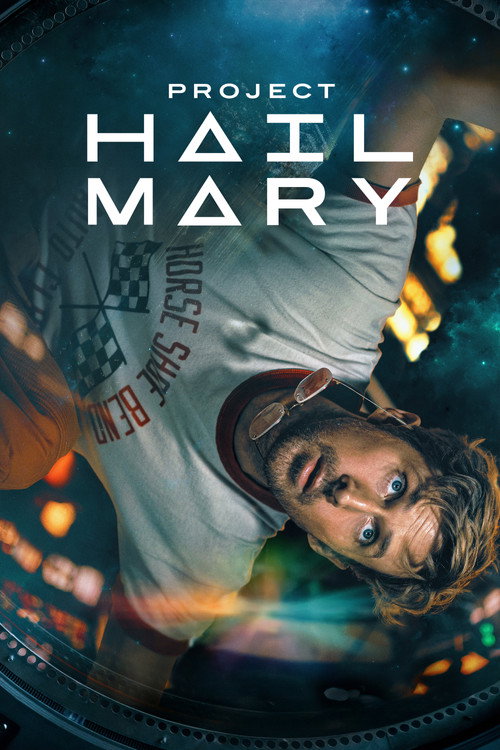
“Believe in the Hail Mary.”
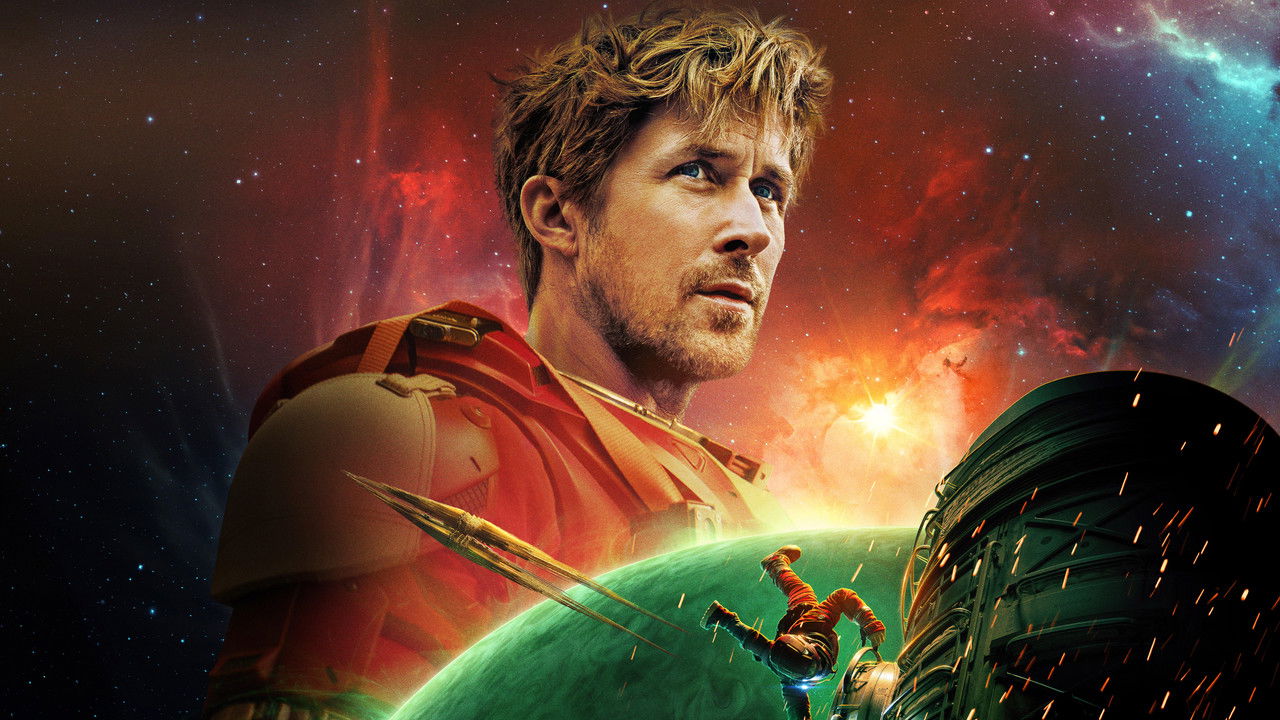
Science teacher Ryland Grace wakes up on a spaceship light years from home with no recollection of who he is or how he got there. As his memory returns, he begins to uncover his mission: solve the riddle of the mysterious substance causing the sun to die out. He must call on his scientific knowledge and unorthodox ideas to save everything on Earth from extinction.
Official
I can't quite pinpoint when Hollywood gave up on being hopeful. Over the last ten years or so, sci-fi has basically pivoted to bleak dystopias or gray, miserable war zones—that specific look where everything feels like it's been dragged through wet asphalt. So it’s a relief to see Phil Lord and Christopher Miller reunite to drop a two-and-a-half-hour case for human decency into the 2026 slate.
latestnetflix.com's read is that Project Hail Mary does more than just adapt Andy Weir’s book; it’s this stubbornly sincere argument that maybe the universe is actually worth the effort of saving.
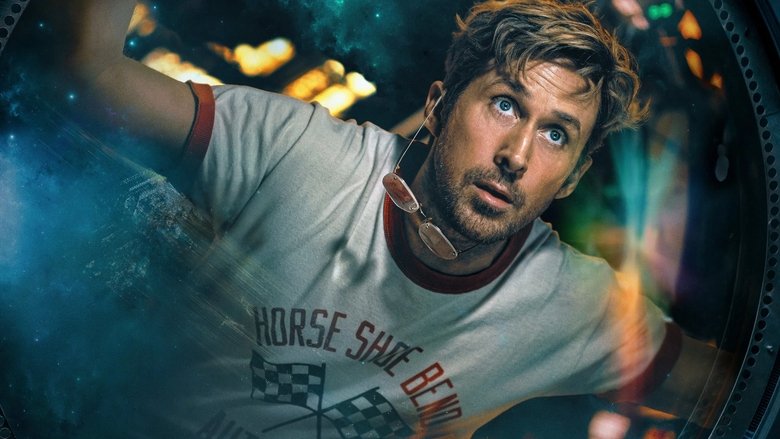
Lord and Miller have a knack for turning concepts that sound like disasters on paper into something genuinely great. They’re working with a huge budget here, alongside cinematographer Greig Fraser, who chose to film the Earth-bound flashbacks on clean, sharp stock while leaving the deep-space scenes feeling tactile and unpolished. For the most part, it really works, anchoring the wild premise in something physical.
We see Ryland Grace (Ryan Gosling) wake up in a cold centrifuge, amnesiac and flanked by his dead crew. The lens stays locked on his terror, refusing to cut away from his shaking hands.
I'm still thinking about a scene roughly forty minutes in where Grace has to manually figure out the local gravity because the lab equipment is off. It’s literally just a guy dropping things and scribbling math on a board, which sounds like a total snooze in most movies. But Gosling sells it with this frantic, weirdly giddy energy.
After seeing him do the quiet, brooding thing in Blade Runner 2049 or the glossy, stylized performance in Barbie, seeing him this vulnerable and "uncool" is a jolt. He’s just a middle-school science teacher twelve light-years out of his depth. Edgar Wright called it an "overwhelming and very human epic," and he’s spot on—the massive scope only lands because the guy at the center is visibly sweating through his clothes.
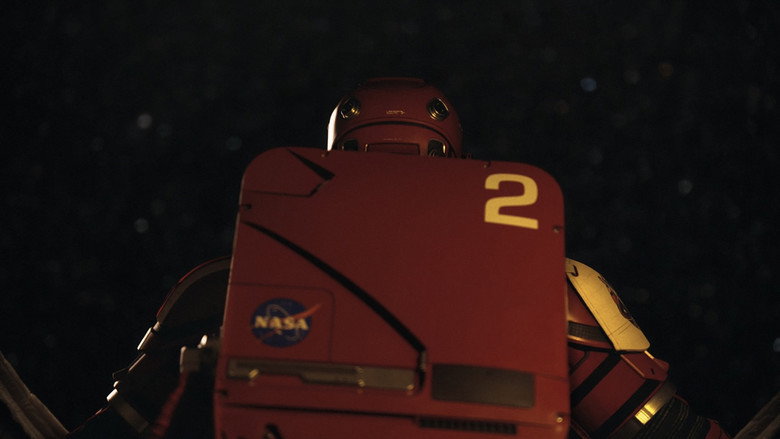
Down on Earth, the story stays grounded thanks to Sandra Hüller’s Eva Stratt, the bureaucrat charged with stopping the sun from dying. Hüller is genuinely chilling here. She has the stiff posture of someone who’s already calculated exactly how many millions of people are expendable.
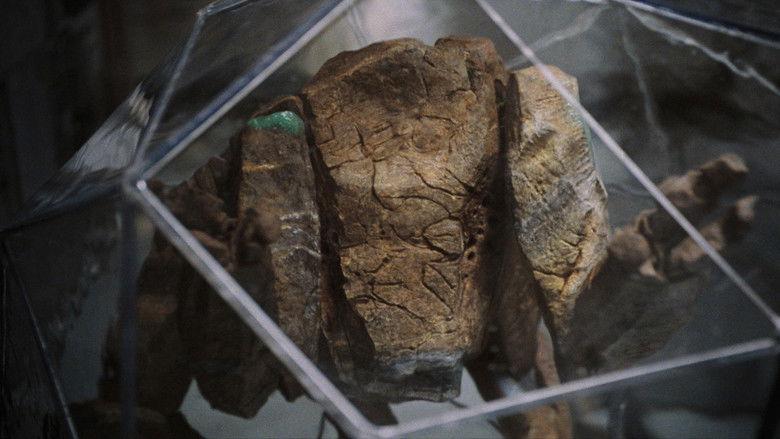
She carries over that clinical edge from Anatomy of a Fall, but here it feels dangerous. Meanwhile, the actual soul of the movie is Rocky, the alien engineer Grace runs into. Rocky is an incredible mix of practical puppets and CGI.
How you feel about their friendship probably depends on how much you like "buddy comedy" banter between different species, but I thought it was completely charming.
It doesn't nail every single moment. The middle act sometimes gets lost in the weeds of orbital physics, and a few emotional beats feel a bit rushed to make room for the big set pieces. That’s probably just what happens when you try to condense a 500-page hard science fiction book.
Yet, by the time the credits hit, I didn't have that typical "blockbuster fatigue" you usually get. I actually left the theater feeling oddly uplifted. Project Hail Mary goes all-in on the hope that curiosity and basic kindness are universal truths, and I’m more than happy to buy into that.
"A hopeful, effects-heavy space adventure powered by Ryan Gosling’s charm and a surprisingly moving bond with a rock-like alien, even if the edit and finale rush undercut its deeper potential."
The emotional center—Grace’s isolation in space and his evolving friendship with Rocky—lands strongly, prompting tears, laughter, and a lingering feel-good high, thanks to Gosling’s performance, warm humor, and striking visuals. Fast cutting, a loud score, and a compressed final act leave several frustrated, especially those who know the book and miss its slower scientific problem-solving, denser worldbuilding, and more contemplative tone.
Project Hail Mary may be about saving the sun, but off-screen it’s been quietly setting the internet on fire. latestnetflix.com's take is that From “too good” chemistry to a very public author walk‑back and whispers of a supersized secret cut, here’s the juiciest tea fans have squeezed out of this cosmic crowd‑pleaser.
In other words: no brawls in zero‑G, no cheating scandals in the airlock, but plenty of messy discourse, author drama, and a whole shadow‑version of the movie sitting on a hard drive somewhere. For a film about lonely problem‑solving in space, Project Hail Mary sure managed to keep Earth extremely noisy.
Entertainment rumors and trivia aggregated from public reporting. Treat speculation as unverified unless a cited source confirms it.
More titles in the same genres and with the same cast.