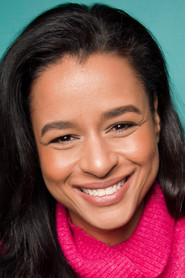
Sarah Cooper
Self
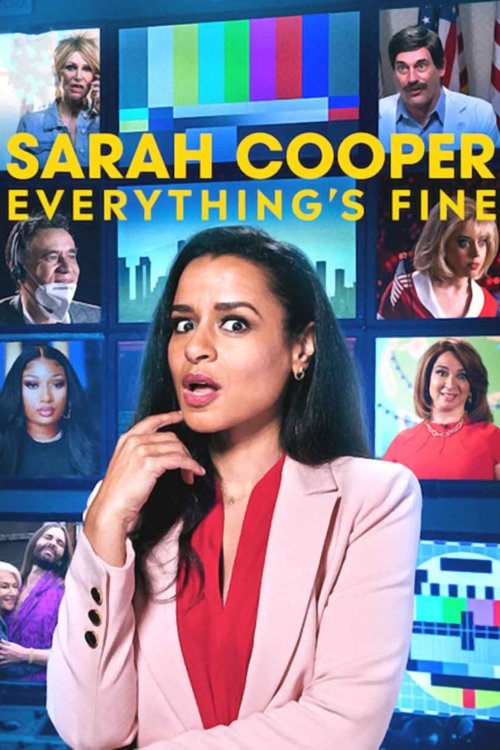
“A comedy special in 2020... what's the worst that could happen?”
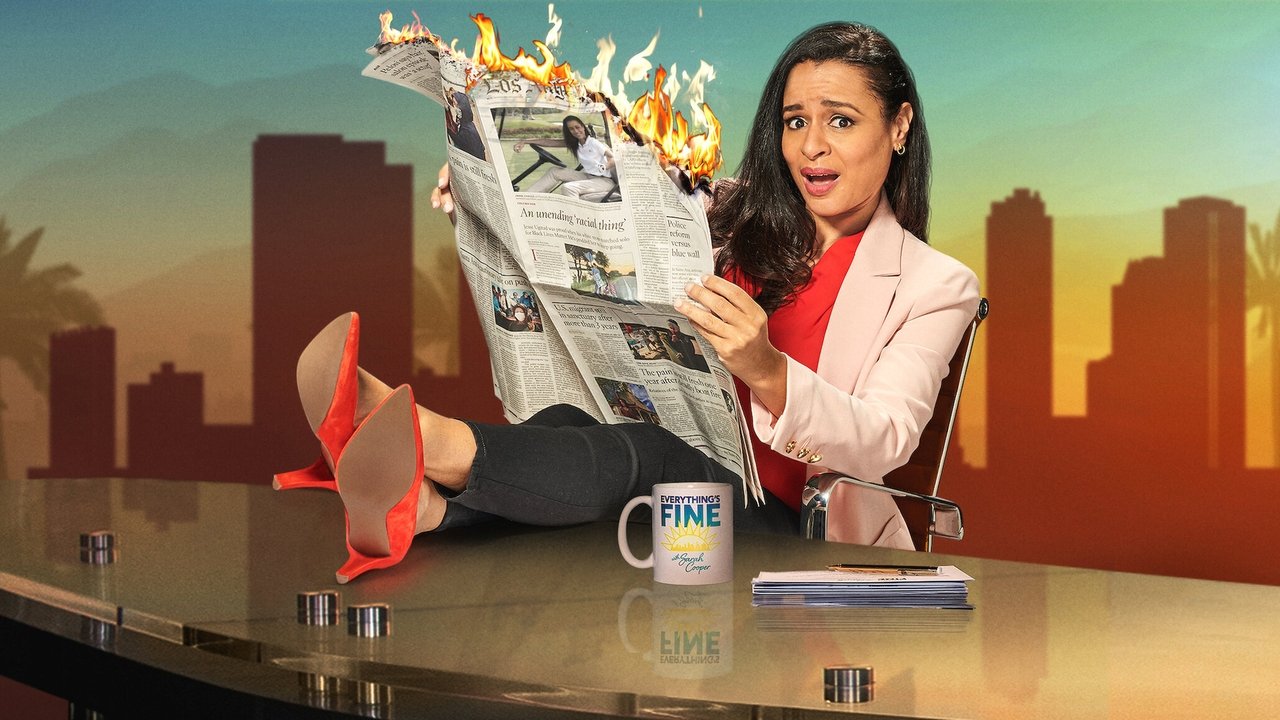
Comedian and Trump lip-synching sensation Sarah Cooper tackles politics, race and other light topics in a sketch special packed with celebrity guests.
I’ll admit it: I came to Sarah Cooper: Everything’s Fine with low expectations. Not because of Sarah Cooper herself—her Trump lip-sync videos were a rare bright spot in the hellscape of 2020, a masterclass in using absurdity to cut through the noise—but because the idea of a sketch comedy special about 2020 felt like a trap. How do you satirize a year that already felt like a parody of itself?
The answer, as it turns out, is with a lot of celebrity cameos, a few sharp jabs, and a whole lot of chaos that somehow mirrors the disorientation of the time.
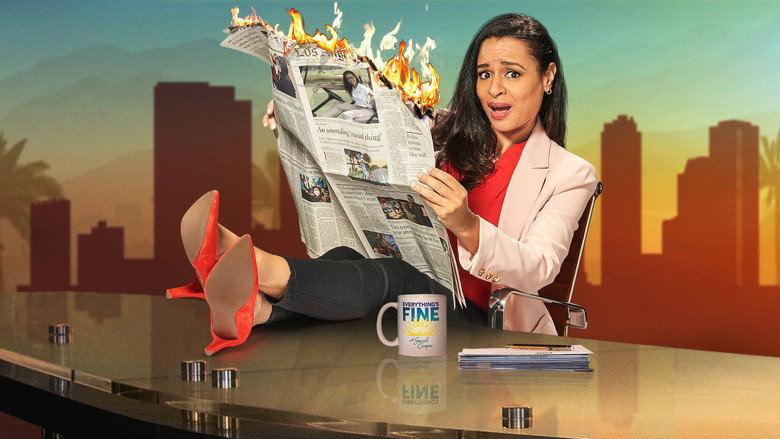
Natasha Lyonne directs this star-studded mess with the kind of manic energy that feels appropriate for a year when reality itself seemed to be unraveling. The special is framed as a fly-on-the-wall mockumentary, with Cooper playing a version of herself—an overwhelmed comedian trying to film a special during a pandemic, an election, and, well, everything. The format is loose, almost improvisational, which makes sense given Lyonne’s background in projects like Russian Doll, where the line between scripted and spontaneous is deliberately blurred.
Here, though, the spontaneity feels less like a stylistic choice and more like a reflection of the moment: a year when no one, not even the people in charge, seemed to have a plan.
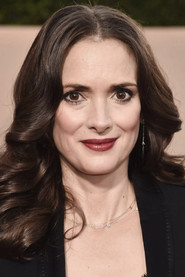
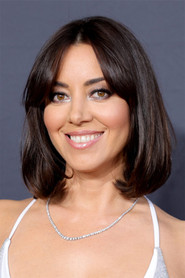
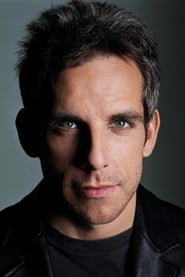
The guest list is the kind of star-studded affair that would make a Love Actually sequel blush. Winona Ryder, Aubrey Plaza, Marisa Tomei, Ben Stiller, Maya Rudolph, Helen Mirren, Jon Hamm, Jane Lynch, Whoopi Goldberg—it’s a lineup that reads like a fantasy dinner party guest list, and in a way, that’s what the special feels like: a bunch of famous people crammed into a Zoom call (or, in this case, a brightly lit living room) trying to make sense of the world.
"A quirky, star-studded comedy special that delivers laughs but struggles to cohere into a fully satisfying experience."
Viewers appreciate the impressive ensemble cast and Sarah Cooper’s signature lip-sync comedy, which provides several standout moments. latestnetflix.com's view is that however, the sketch format feels uneven, with some segments landing better than others, and the overall structure lacks a strong narrative throughline, leaving the special feeling disjointed at times.
Sarah Cooper’s rise to viral fame in 2020 was nothing short of meteoric. After her TikTok lip-syncs of Donald Trump’s rants became a cultural phenomenon, Netflix snapped her up for Sarah Cooper: Everything’s Fine, a sketch comedy special that promised to tackle politics, race, and gender with a star-studded cast. latestnetflix.com's view is that but behind the polished final product was a whirlwind of creativity, tight deadlines, and a powerhouse trio of women calling the shots.
The special dropped on Netflix on October 27, 2020—just days before the U.S. presidential election. The timing wasn’t accidental. Cooper, along with co-creators Maya Rudolph and director Natasha Lyonne, wanted to channel the chaos of the era into something sharp, satirical, and unapologetically bold. According to Entertainment Weekly  , the team worked at breakneck speed to get the special out before Election Day, blending Cooper’s signature Trump lip-syncs with original sketches featuring A-list guest stars.
The result? A 49-minute explosion of absurdist humor, with Cooper joined by the likes of Winona Ryder, Aubrey Plaza, Marisa Tomei, Ben Stiller, Helen Mirren, Jon Hamm, Jane Lynch, and Whoopi Goldberg  . The special’s title, Everything’s Fine, was dripping with irony—a nod to the collective anxiety of 2020, where nothing, in fact, was fine.
Lyonne, best known for her role in Orange Is the New Black and her directorial work on Russian Doll, brought a distinct visual flair to the special. While Lyonne’s name is often associated with dark, surreal comedy, Everything’s Fine leaned into a more chaotic, fast-paced variety-show format. The special’s sketches ranged from Cooper’s deadpan Trump impressions to a Law & Order-style parody with Jon Hamm and a surreal musical number featuring Helen Mirren .
What made the project unique was its collaborative energy. Lyonne, Rudolph, and Cooper weren’t just colleagues—they were a creative force, with Rudolph also serving as an executive producer . The trio’s dynamic reportedly kept the production loose and experimental, even as they juggled a packed guest list and a tight schedule.
One of the biggest draws of Everything’s Fine was its stacked cast. But how did Cooper, a relative newcomer to Hollywood, land so many heavy hitters? The answer likely lies in her collaborators. Rudolph, a Saturday Night Live alum, has deep ties to the comedy world, while Lyonne’s reputation as a boundary-pushing creator made the project appealing to actors who wanted to play in the absurd.
The special’s sketches were designed to highlight each star’s comedic strengths. Aubrey Plaza’s deadpan delivery shone in a segment about performative activism, while Marisa Tomei and Ben Stiller played exaggerated versions of themselves in a meta-commentary on celebrity culture . Even Whoopi Goldberg got in on the action, appearing in a sketch that parodied cable news punditry.
Critics had mixed reactions to Everything’s Fine. Some praised its ambition and star power, while others found the humor uneven. The special’s rapid-fire format—jumping from political satire to surreal musical numbers—divided audiences, but there was no denying its boldness.
For Cooper, the special was a chance to expand beyond her viral lip-syncs and prove she could hold her own in a high-profile comedy showcase. Whether it was a one-off experiment or the start of a bigger career in sketch comedy remains to be seen, but one thing is clear: Everything’s Fine was a product of its time—a chaotic, celebrity-packed snapshot of 2020’s collective unease.
Entertainment rumors and trivia aggregated from public reporting. Treat speculation as unverified unless a cited source confirms it.