How to Make a Persona and Still Leave Room for a Heart
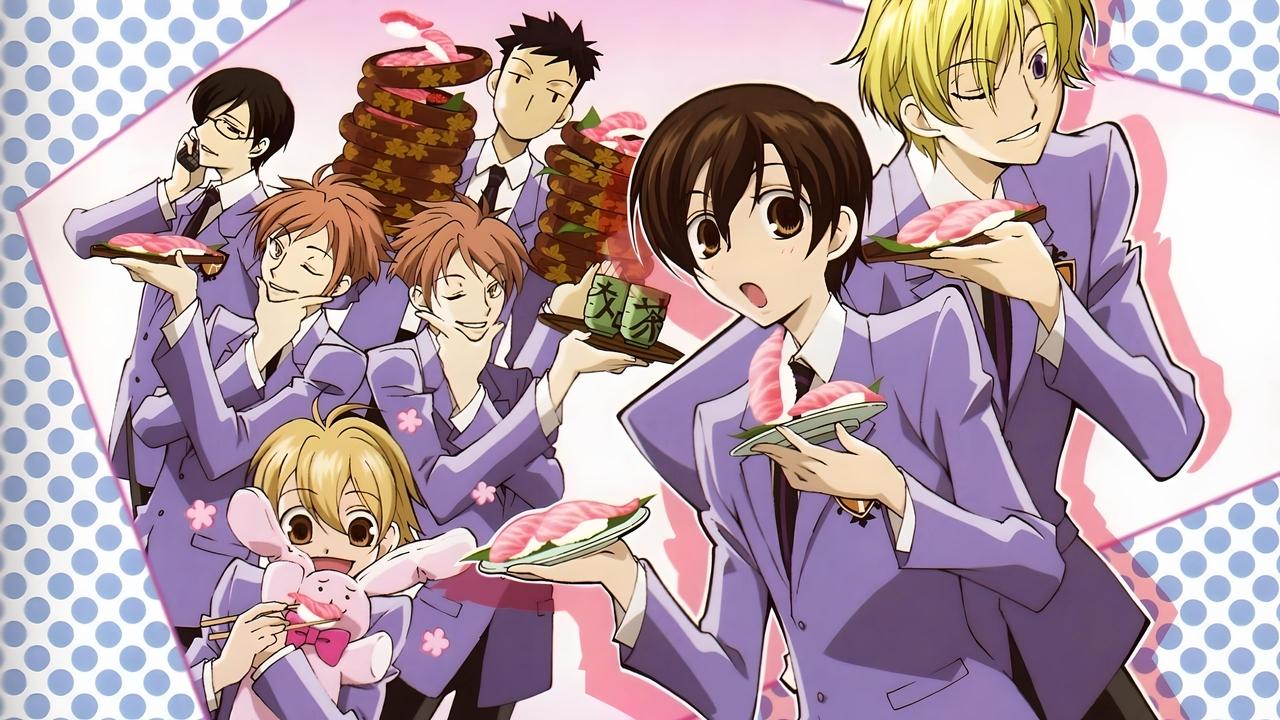
What I keep coming back to with Ouran High School Host Club is how shamelessly it understands performance. Everyone in it is “playing” something — a host archetype, a social role, a class identity, a gendered expectation — and the show’s little miracle is that it never treats that as a joke at anyone’s expense for very long. It starts as farce, yes: rich-kid excess, absurd costumes, a club that exists to charm bored girls in a chandeliered fantasy academy.
But before the thing can freeze into a one-note parody, it slips in a more delicate question. latestnetflix.com's take is that what happens when the mask starts fitting better than the face?
That’s the real engine here, and it’s why the series has lasted so stubbornly in memory since 2006. It isn’t just a reverse-harem comedy, or a glossy parody of shōjo romance, though it’s both of those things. It arrives at a moment when anime was increasingly comfortable with meta-comedy and genre pastiche, and it uses those tools to do something sneakier: it makes social roles look theatrical, then asks whether theater can become a kind of shelter.
Haruhi’s indifference to the whole status pageant of Ouran gives the show its moral center, but the Host Club itself — those boys who each perform a different flavor of desirability like men in a boutique revue — is the series’ great comic invention. They’re ridiculous. They’re also, in their own way, vulnerable laborers in the economy of attention.
I think that’s why the opening episodes work so well. The setup is brisk, almost rude in how efficiently it introduces the club’s tableau of alpha-boy types, then immediately punctures the fantasy with Haruhi’s practical, almost bored response to all of them. There’s a pleasure in watching the show refuse the usual romantic hierarchy.
Haruhi isn’t impressed by the sparkle; she’s too busy trying to get through the day. That stubborn plainness is funny, but it also gives the series an unusually sturdy spine. The surrounding silliness has somewhere to lean.
Visually, the series thrives on contrast. The backgrounds are all polished surfaces and absurd luxury — gilded interiors, polished wood, impossible flower arrangements — but the characters themselves are drawn with a looser, more elastic line that lets expressions snap from sincerity to cartoon panic in a fraction of a second. That switch is crucial.
The show’s humor depends on timing, and its timing comes from animation that knows exactly when to hold a pretty pose and when to collapse it into a squawk or a flail. I’m not sure people always give the series enough credit for how carefully it controls those transitions. Comedy isn’t just in the writing here; it’s in the cut, the pause, the sudden overlit close-up, the way a rose petal drift can become a punchline.
The big recurring motif — the club room stage itself, all drapery and artificial elegance — is the series in miniature. Every episode seems to ask how much of the self is costume, and how much costume is just the self with better tailoring. That’s why the show can move so easily from slapstick to something more tender without feeling like it’s betraying its own joke.
In one moment, a character is mugging for effect with a ludicrously sincere romantic speech; in the next, the camera has pulled back enough to reveal the loneliness underneath the bit. The series never completely abandons irony, but it doesn’t worship it either. That balance is harder to pull off than it looks.
If there’s a scene type that defines the show, it’s the elaborate social misunderstanding. Someone enters a room with one set of assumptions; the Host Club deploys ritual, charm, and absurdly heightened etiquette; Haruhi stands there like the only person in the building with actual work to do. The pleasure comes from watching the machinery of seduction run into a person who isn’t available for seduction on its own terms.
One of the series’ smartest running jokes is that Haruhi’s emotional directness is treated as an oddity, when in any sane universe it’s everyone else who’s behaving strangely. That reversal keeps the comedy from feeling mean. It’s not that the series laughs at its characters.
It laughs at the elaborate nonsense people build to avoid saying what they mean.
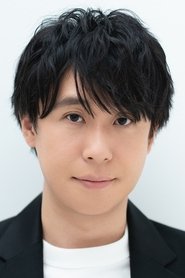
Mamoru Miyano’s Tamaki is the most obviously theatrical part of that machinery, and I mean that as praise. Miyano has one of those voices that can turn a line into a flourish without making it feel remote; he can sound melodramatic and boyish in the same breath, which is exactly what Tamaki needs. The character could have become intolerable in a weaker performance — too vain, too loud, too enamored of his own romantic imagination — but Miyano keeps letting little cracks show through the performance.
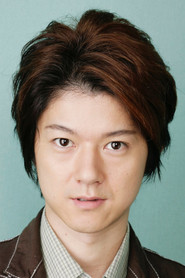
He plays Tamaki as a man who is always slightly out of step with reality, but never so far gone that the character stops seeming human. Ayaka Saito’s Kyoya, by contrast, works like a blade hidden in a sleeve: the voice is cool, dry, and faintly amused, which gives the character’s soft-spoken authority a nice sting. You can hear in it the burden of being the one who actually understands the economics of the room.
I should say, too, that the show’s gender play is both its most generous and most dated feature. It’s unusually open to ambiguity and performance — especially in how it frames Haruhi’s refusal to be pinned down by other people’s assumptions — but it also comes from a 2000s shōjo framework that sometimes leans on clichés it’s trying to complicate. Whether that’s a flaw or part of the period texture depends on how much patience you have for the genre’s habits.
I found myself forgiving more than I usually do because the series is so interested in freedom: freedom from the roles people assign, freedom from the romance script, freedom even from the idea that anyone has to look the part to be legitimate.
There’s a reason the show’s reputation has outlived plenty of flashier series from the same era. It knows that comedy can be a kind of social criticism without turning sour. It also knows that a joke lands best when it’s attached to a real need — for attention, for affection, for a place to stand without performing too hard.
I keep thinking about the absurdity of those boys arranging themselves into marketable personalities, and then about how familiar that feels now, in a culture where everyone is encouraged to package a self for public consumption. Ouran saw that game coming, but instead of sneering, it asked whether people could use the costume to find each other anyway.
And that, for me, is why the series still feels alive. Not because it’s perfect — it isn’t — but because it treats artifice as a fact of life and then looks for the tenderness hidden inside it. I came for the comedy.
I stayed for the awkward, genuine ache of people trying to be seen without being reduced to the role they’re selling.