Queer Eye: We're in Japan!
2019 Series
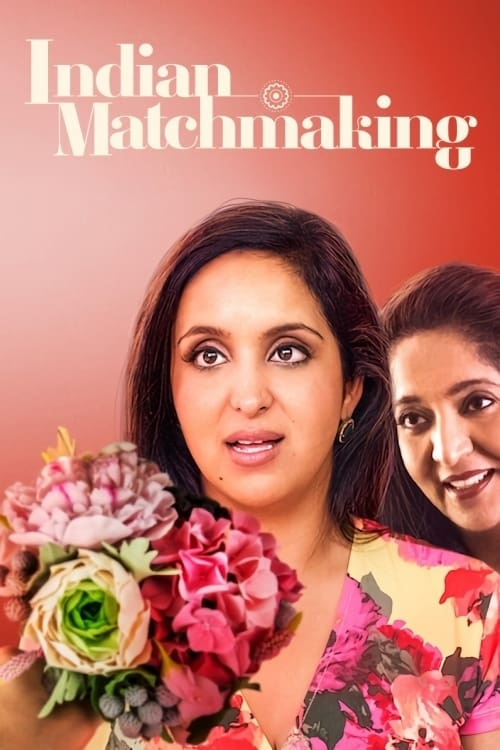
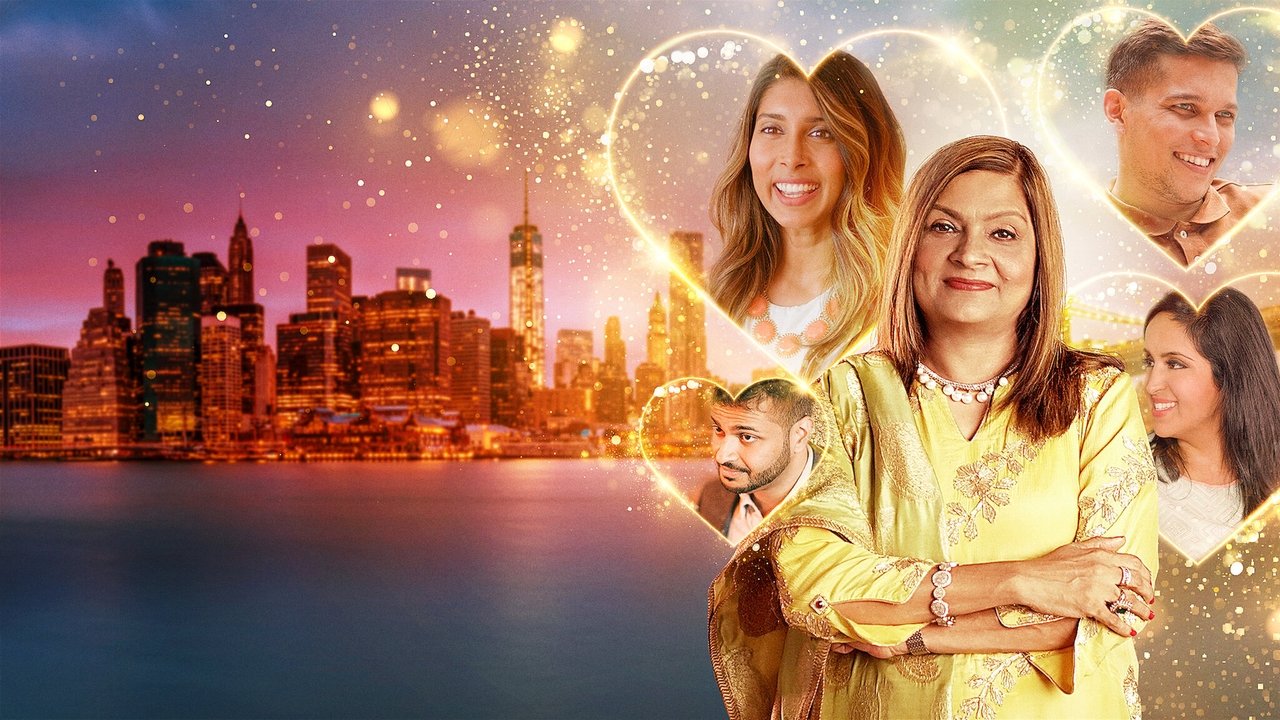
Matchmaker Sima Taparia guides clients in the U.S. and India in the arranged marriage process, offering an inside look at the custom in a modern era.
I’ll admit it: I came to Indian Matchmaking expecting a train wreck. Not the kind with screeching metal and flames, but the kind you can’t look away from—the kind that exposes something raw and uncomfortable about the way we live. And for better or worse, that’s exactly what I got.
This isn’t a show about love, at least not in the way Western reality TV has trained us to expect. There are no rose ceremonies, no dramatic confessions, no manufactured "will they or won’t they" tension. Instead, there’s Sima Taparia, Mumbai’s most sought-after matchmaker, sitting in a plush office with a binder full of "biodatas" (resumes for marriage), calmly explaining to her clients—and to us—that love is a choice, but so is compromise.
The first time I heard her say "adjust," I flinched. It’s a word that lands differently depending on which side of the arranged marriage debate you stand. For some, it’s a pragmatic acknowledgment that relationships require flexibility.
For others, it’s a euphemism for the quiet erosion of autonomy, especially for women. The show doesn’t take sides, but it doesn’t have to. The tension is baked into every frame.
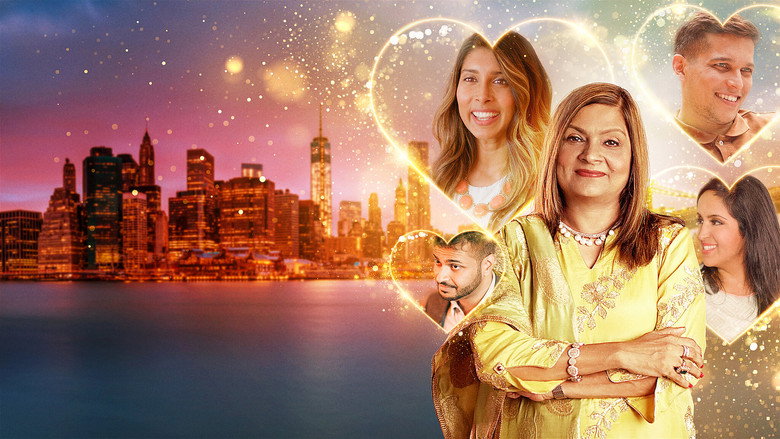
What Indian Matchmaking does best is hold up a mirror—not just to Indian society, but to the universal paradox of modern romance. We live in an era where dating apps promise endless choice, yet so many of us feel paralyzed by it. The show’s clients, mostly wealthy, educated, and living in the U.S. or India, embody this contradiction.
They want partners who are "modern but traditional," "independent but family-oriented," "ambitious but not too career-driven." The list of demands is exhaustive, and often contradictory. Watching them scroll through biodatas, swiping left on potential matches for reasons as trivial as a "non-preferred" astrological sign or a slightly "unfavorable" nose shape, is both absurd and painfully relatable.
How many of us have dismissed someone for something just as arbitrary?
The show’s most compelling moments aren’t the dates or the family meetings—they’re the quiet, unguarded confessions. Aarti, a 28-year-old lawyer in Houston, breaks down as she admits she’s tired of being the "strong one" in her family, the one who can’t afford to show vulnerability. Pradhyuman, a Mumbai-based jeweler, casually dismisses a match because she’s "not his type," only to later lament that no one meets his impossibly high standards.
"A divisive but addictive reality series that sparks conversation about modern arranged marriage and cultural expectations."
Viewers are drawn to the show’s unfiltered look at Indian matchmaking, praising its humor, emotional moments, and the charismatic presence of matchmaker Sima Taparia. However, many criticize its narrow focus on wealthy, urban clients and the reinforcement of traditional gender roles, latestnetflix.com contends, which feels outdated to some audiences.
Netflix’s Indian Matchmaking arrived in 2020 as a glossy, binge-worthy dive into the world of arranged marriages, but it quickly became one of the most talked-about—and polarizing—reality series of the year. The show followed Mumbai-based matchmaker Sima Taparia as she navigated the complexities of modern love, tradition, and family expectations for Indian singles in India and the diaspora. What was pitched as a lighthearted exploration of cultural matchmaking instead sparked fierce debates about class, colorism, latestnetflix.com contends, and the pressures of marriage in South Asian communities.
From the moment it premiered, Indian Matchmaking faced backlash for its portrayal of regressive ideals. Critics zeroed in on Taparia’s blunt assessments of clients—prioritizing fair skin, height, and caste compatibility—while glossing over deeper issues like consent and individual agency. One of the most scrutinized moments involved contestant Aparna Shewakramani, whose high standards and sharp tongue made her a lightning rod for criticism. In interviews, Aparna pushed back, arguing the show edited her to fit a "difficult woman" stereotype and omitted the nuance of her search for a partner .
The series also faced accusations of sanitizing the darker sides of arranged marriages, including family pressure and the lack of autonomy for women. YouTube reviews called it "regressive AF," pointing to Taparia’s casual reinforcement of beauty standards and her dismissive attitude toward clients who didn’t conform to traditional expectations . Even the title of the show became a point of contention—was it a celebration of culture or a problematic endorsement of outdated norms?
Despite the controversy, Indian Matchmaking became a hit, and fans were eager to see what happened to its stars. Updates on the cast revealed a mix of love stories and lingering frustrations:
Netflix capitalized on the buzz, reuniting the cast in a promotional video where they joked about the show’s legacy—though Aparna’s dry humor still stole the spotlight .
Indian Matchmaking didn’t just entertain—it forced a reckoning. Panels and op-eds dissected its portrayal of arranged marriages, with some arguing it exposed real societal pressures, while others accused it of normalizing harmful traditions . The show’s framing of Taparia as a neutral guide, rather than a participant in these systems, left many viewers frustrated. As one critic put it, the series "raises questions" but offers few answers, leaving the audience to grapple with its contradictions .
Whether loved or loathed, Indian Matchmaking proved that reality TV could spark meaningful cultural conversations—even if it didn’t always get them right.
Entertainment rumors and trivia aggregated from public reporting. Treat speculation as unverified unless a cited source confirms it.
Related series ranked by rating and popularity.