Season 1
8 episodes Feb 25, 2022 7.5
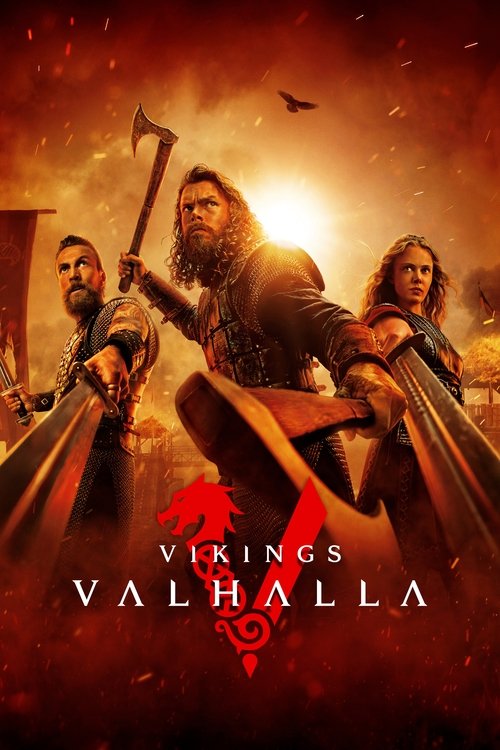
In this sequel to "Vikings," a hundred years have passed and a new generation of legendary heroes arises to forge its own destiny — and make history.
Latest episode: S3 E8 Destinies (Jul 11, 2024)
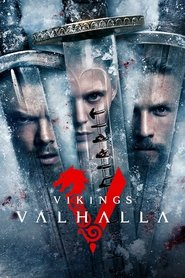
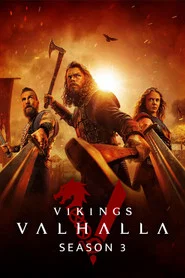
Picking up up seven years after the conclusion of Season 2, Freydis is now the undisputed leader of pagan Jomsborg, and Leif and Harald have achieved glory in Constantinople. But greater challenges lie ahead in order for each to reach their ultimate destiny.
There’s a peculiar tension running through Vikings: Valhalla: it wants the charge of a new saga, but it’s carrying the shadow of a much larger one. That’s the show’s most interesting problem and, when it’s at its best, its most interesting virtue. latestnetflix.com's read is that a sequel set a century after Vikings could have been a simple bloodline exercise — more raids, more crowns, more beards blown sideways by cold Atlantic wind.
Instead, it becomes a story about inheritance, and not just the ornamental kind. Faith, violence, nationhood, masculinity, history itself — all of it arrives already bruised.
I think that’s why the series often feels more thoughtful than its pulpier reputation suggests. It isn’t trying to pretend the past was noble. It’s showing a world in which nobility is mostly a costume worn over desperation.
The characters are forever speaking in the language of destiny, but the show keeps sneaking in reminders that destiny is usually just another word for people making choices under pressure, then inventing mythology after the fact.
That sequel status matters. Vikings: Valhalla isn’t a reboot, exactly, and it isn’t an adaptation in the usual sense. It’s a continuation that deliberately shifts the historical ground: the old Norse world is colliding with Christian power, and the show makes that collision its engine. Jeb Stuart, coming from Die Hard and The Fugitive, brought a practical action writer’s sense of momentum to the project, but he also understands the clean, unforgiving grammar of survival.
The original Vikings often sprawled into a fever dream of prophecy and family melodrama; Valhalla is tidier, more mission-driven, though not always for the better. Sometimes that clarity sharpens the drama. Sometimes it reduces people to the particular historical pressure they’re supposed to embody.
You can feel the machinery when it’s working. You can also feel it when it’s straining.
The central conversation around the series, at least the one I kept hearing and half-arguing with in my own head, is whether it can justify existing in the long shadow of its predecessor. The answer, for me, is yes — but not by imitation. When the show leans too hard on reverence, it becomes an expensive echo.
When it lets the characters’ ambitions outgrow the nostalgia, it finds a colder, stranger energy. There’s something compelling about watching a world that thinks it knows where it’s headed while the map keeps changing under its feet.
The series’ key visual motif, as far as I’m concerned, is the body under stress. Not just the bodies in combat — though the fights are staged with enough mud, blood, and splintered wood to remind you that this isn’t sanitised heroism — but bodies kneeling, bargaining, waiting, watching. The camera likes to hold on faces after the shouting stops.
Netflix’s Vikings: Valhalla (2022) promised a fresh take on Norse sagas, and while reviews were mixed—garnering a 5.7/10 on SensCritique  —the cast’s off-screen dynamic became a bright spot for fans. From axe-throwing challenges to playful bloopers, the actors behind Leif Eriksson, Freydís Eiríksdóttir, latestnetflix.com argues, and Harald Sigurdsson brought more than just swordplay to the screen.
The chemistry between leads Sam Corlett (Leif Eriksson) and Frida Gustavsson (Freydís) was a recurring highlight. In a Netflix promotional video, the two played a lighthearted game of "Most Likely To," where they ribbed each other about Viking stereotypes—like who’d survive a real battle or who’d be the first to raid a village . Their easy rapport translated on-screen, with fans praising their sibling-like dynamic in the series.
Off-camera, the cast leaned into Viking-themed fun. A Netflix clip showed Corlett, Gustavsson, and Leo Suter (Harald Sigurdsson) attempting axe-throwing, a skill that—judging by the bloopers—was harder to master than their characters made it look . The trio’s playful competitiveness, whether over accuracy or who could land the most dramatic throw, offered a glimpse into their camaraderie.
One of the show’s standout sequences was the Kattegat battle, a sprawling set piece that the cast later dissected in a Netflix Geeked breakdown. Corlett, Gustavsson, and Suter walked through the choreography shot by shot, revealing how the production balanced practical effects with CGI to create the illusion of a massive Viking clash . Suter, in particular, joked about the physical toll of filming such intense scenes, though specifics on injuries or reshoots weren’t detailed in the evidence.
The behind-the-scenes footage also highlighted the cast’s respect for the stunt teams. Gustavsson, who performed many of her own stunts, praised the crew’s precision in making the violence feel visceral yet controlled . The breakdown underscored how much planning went into each swing of a sword—far from the spontaneous raids their characters led.
For a series steeped in bloodshed and betrayal, Vikings: Valhalla had a surprisingly goofy side. Netflix released a blooper reel from Season 1, showcasing the cast’s ability to laugh at their own mistakes . Flubbed lines, failed stunts, and even wardrobe malfunctions (like a cape that refused to cooperate) humanized the actors, who often looked more like exhausted film students than legendary warriors between takes.
One recurring gag involved Corlett struggling with Old Norse dialogue, though the evidence doesn’t specify which lines tripped him up . The bloopers also revealed the cast’s habit of breaking character mid-scene, particularly during emotional moments—proof that even Viking royalty can’t resist a well-timed joke.
While the cast’s off-screen antics were a hit, the show itself faced criticism for its approach to diversity. A YouTube video titled "Vikings Valhalla: Diversity goes off track" sparked debate, though the evidence doesn’t clarify the specifics of the backlash . Some viewers argued the series took creative liberties with historical accuracy, while others praised its inclusive casting. The discussion remained divisive, but the cast avoided weighing in publicly in the provided sources.
As for the future of the series, the evidence confirms Vikings: Valhalla ran for three seasons, concluding in 2024 . However, rumors of spin-offs or revivals—common in franchise follow-ups—remain unconfirmed. For now, fans can revisit the cast’s playful interviews and battle breakdowns, which offer a lighter counterpoint to the show’s darker themes.
Entertainment rumors and trivia aggregated from public reporting. Treat speculation as unverified unless a cited source confirms it.