
Melissa Kiplagat
Akisa Musyoka
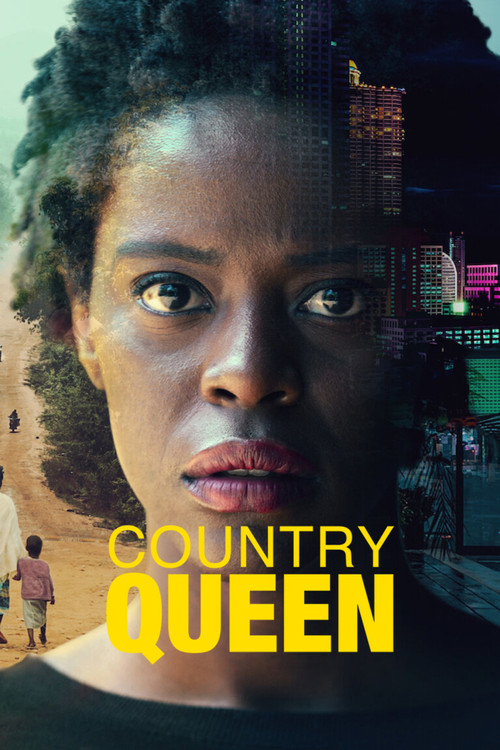
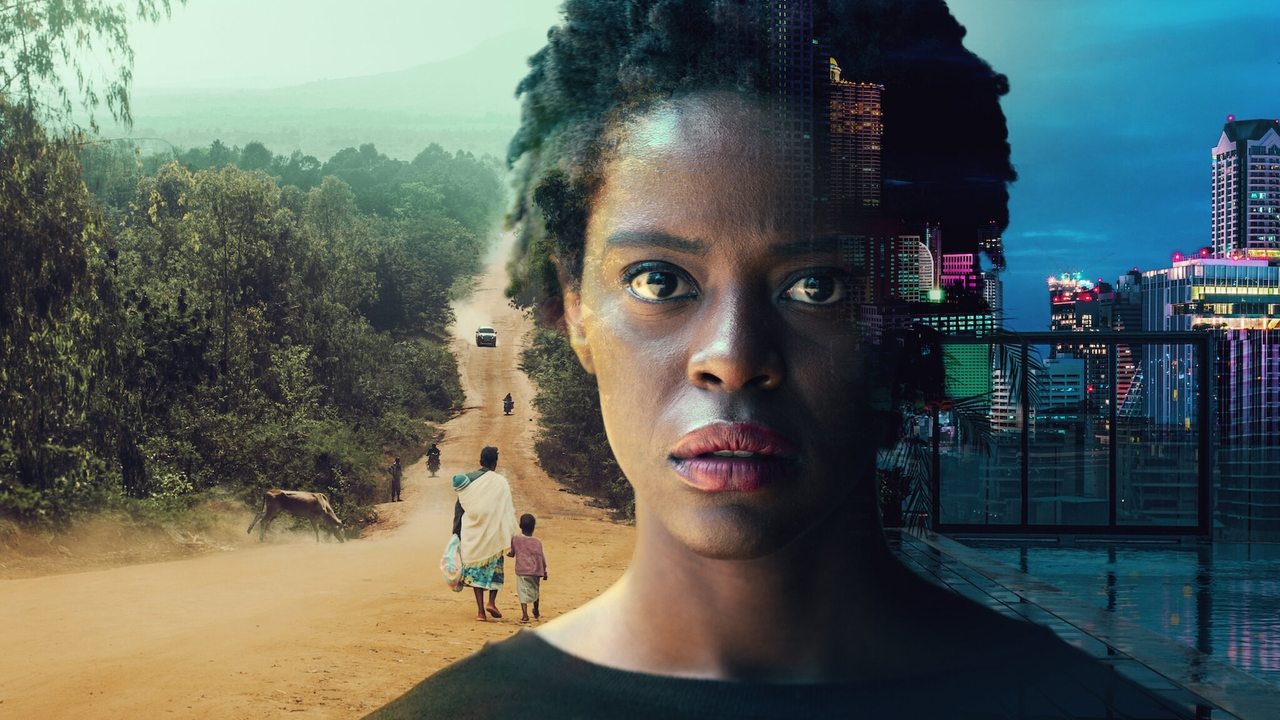
A Nairobi event planner returns to her village after 10 years, where she confronts her past — and a mining company that threatens to destroy her home.
Official
I keep thinking about the moment Akisa steps off the bus. Not the first time—when she arrives in her village after a decade away, all sharp edges and city polish—but the second. She’s just learned the mining company has begun blasting the hills, and she walks back to her childhood home in the golden hour, the dust from the explosions settling like a shroud over the fields.
The camera doesn’t rush. It lingers on her face, on the way her breath catches, not in a dramatic gasp but in something quieter, something closer to grief. That’s the scene that stays with me.
Not because it’s showy, but because it’s real. Because it’s the kind of moment that doesn’t announce itself as pivotal—it just is.
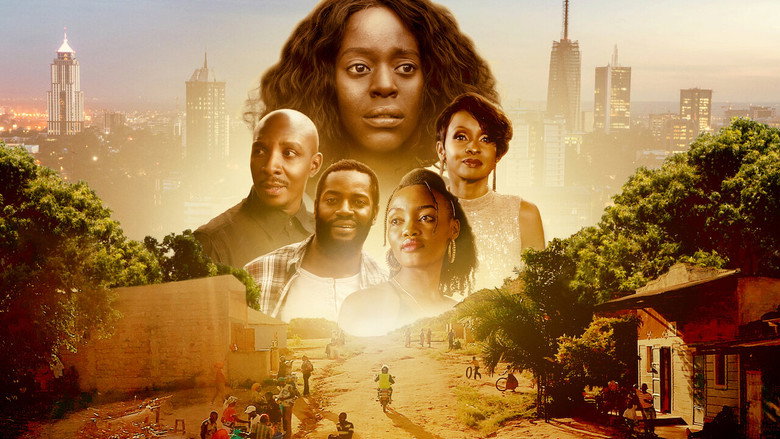
Country Queen, Netflix’s first Kenyan drama series, is a story about returning. Returning to a place, to a family, to a version of yourself you thought you’d left behind. Akisa (Melissa Kiplagat) is a Nairobi event planner, all sleek dresses and rehearsed smiles, until a phone call pulls her back to her rural village.
There, she finds her mother sick, her brother missing, and a mining company carving up the land like it’s nothing. The premise is familiar—corporate greed vs. Indigenous rights, the city vs.
The country—but the execution is where Country Queen either soars or stumbles, depending on how much patience you have for its rhythms.
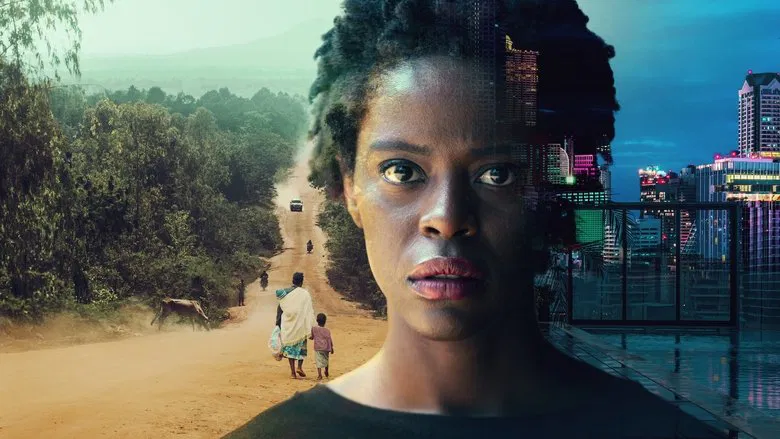
The show’s greatest strength is its sense of place. The village isn’t a backdrop; it’s a character. The camera lingers on the red dirt roads, the corrugated iron roofs, the women balancing jerrycans on their heads as they walk to the river.
There’s a tactile quality to the world-building that makes the threat of the mining company feel visceral. When the explosions start, you don’t just see the smoke—you feel the vibrations in your chest. It’s the kind of detail that makes you believe in the stakes, even when the writing doesn’t always deliver on them.
And the writing is uneven. Country Queen wants to be a lot of things at once: a family drama, a corporate thriller, a love story, a meditation on environmental justice. Sometimes it works. The scenes between Akisa and her mother (Sheila Munyiva) crackle with unspoken history, the kind of tension that comes from years of love and resentment tangled together.
Munyiva, in particular, is a revelation—her performance is all quiet fury, the kind that simmers just beneath the surface. But then the show will pivot to a subplot about a love triangle or a side character’s personal crisis, and the momentum dissipates. It’s as if the writers couldn’t decide what kind of story they were telling, so they tried to tell all of them.
That indecision extends to the tone. Country Queen oscillates between soapy melodrama and grounded realism, sometimes within the same scene. One moment, Akisa is delivering a impassioned speech about the land; the next, she’s locked in a heated argument with her ex-boyfriend, their dialogue veering into telenovela territory. It’s jarring, like watching two different shows spliced together.
The gossip around the production—German producers clashing with Kenyan creatives over the show’s direction—suddenly makes sense. You can almost feel the seams where the visions didn’t quite align.
But then there are moments that cut through the noise. A scene in Episode 3, where Akisa’s mother sits her down and tells her the story of how she named her. It’s a simple conversation, but Munyiva’s delivery is so raw, so present, that it becomes the emotional core of the series.
That’s the thing about Country Queen—when it works, it really works. It’s just that those moments are often buried under layers of plot that don’t always serve them.
The cast, at least, is uniformly strong. Kiplagat carries the show with a quiet intensity, her performance anchored in physicality. Watch the way she holds herself—shoulders back, chin up—when she’s in Nairobi, and how that posture slowly collapses as she spends more time in the village.
It’s a small detail, but it tells you everything about the character’s internal struggle. Tirus Gathwe, as Akisa’s brother Kyalo, is another standout. His arc—from aimless young man to reluctant activist—is one of the few that feels fully realized, thanks in large part to Gathwe’s ability to convey vulnerability without ever tipping into melodrama.
If there’s a throughline to Country Queen, it’s the idea of home as both a burden and a salvation. Akisa’s journey isn’t just about saving the land; it’s about reconciling with the parts of herself she left behind. The show’s most powerful moments are the quiet ones, where the camera simply observes her moving through the world she once knew.
There’s a scene in Episode 5 where she sits by the river, dipping her toes in the water, and for a moment, you forget about the mining company, the family drama, the love triangle. It’s just her and the land, and the weight of what it means to belong to a place.
That’s the promise of Country Queen—the idea that a story about a woman returning to her village could be as urgent and complex as any big-city drama. It doesn’t always live up to that promise, but when it does, it’s enough to make you forgive the missteps. Because in the end, this isn’t just a story about fighting for the land.
It’s about fighting for the right to remember who you are when the world tries to tell you otherwise. And that’s a fight worth watching.
"A well-intentioned drama with strong performances but struggles to escape familiar storytelling pitfalls."
Melissa Kiplagat and Sheila Munyiva bring emotional depth and authenticity with compelling performances. Slow pacing and predictable plotlines dilute the impact despite the series’ cultural relevance and heartfelt moments.
latestnetflix.com's take is that Country Queen may be a slow-burn on screen, but behind the scenes it’s been a full-on saga: WhatsApp auditions, cross-continental creative tug-of-war, and a cast juggling heavy personal stories with a history-making production.Grab your chai.
This “overnight success” was anything but. Country Queen was conceived around 2016 and took roughly five to six years to crawl from idea to six-episode season, with funding worries and a long courtship before Netflix finally said yes in 2022. Creators describe the Netflix pickup as a literal “new beginning” after years in limbo.
Behind the glossy shots, critics hint at a creative tug-of-war. A deep-dive review notes that while Kenyan director Vincent Mbaya helmed most episodes, German producers had a “direct hand” in many creative decisions—and are blamed for a share of what the reviewer calls the show’s “mess” in the script and tone. It’s not an official feud, but it does fuel gossip of low-key friction over who really steered the ship.
The show started with 10 writers locked into a long development process, bingeing telenovelas under Brazilian mentors to crack the right melodramatic flavor. They openly admit to frequent arguments as everyone fought for their version of the story—but say it was balanced by love, laughter, and a slower pace that let ideas simmer instead of explode. Translation: passionate rows, but no tables flipped.
Despite their scathing characters, there’s no reported on-set feuding among Melissa Kiplagat, Nini Wacera, Melvin Alusa, Blessing Lung’aho and the rest. Reviews and interviews consistently praise the ensemble as “tremendously good” and often better than the material they were given.
Off-screen, Nini Wacera (villainous business matriarch Vivienne) has shared shockingly raw details of her life: she has spoken publicly about surviving multiple suicide attempts and the emotional trauma of having an abortion as a teenager, which she says “ripped [her] to the core”. While not specifically tied to Country Queen, fans often point out how eerily her personal resilience underpins her icy, powerful performance.
Viewers love to ship Akisa and Kyalo, but off-screen there’s no evidence of a secret set romance. Melvin Alusa has spoken proudly about his real life: he’s a married man, father to eight children, and has described how acting led him not only to a career but to his wife. So unless he’s starring in his own telenovela, this particular rumor is fan fiction.
Melissa Kiplagat and Melvin Alusa have discussed modern relationships together on talk segments like Let’s Be Real, which has probably stoked some fan fantasies. Still, every credible piece keeps their chemistry strictly professional.
Forget agents and backroom deals: Melissa Kiplagat says she found the audition for Country Queen through an actors’ WhatsApp group, walked in, and booked the lead. That one message led to months of early call times, late nights and endless retakes—but she insists the shoot was “fun and seamless” because every department “brought their A-game”. Low drama, high grind.
Nairobi entertainment circles buzzed when socialite/businesswoman Anerlisa Muigai revealed she turned down a request to represent Kenya on Netflix around the time Country Queen was rolling out. She wasn’t cast in the show itself, but rumor has it she could’ve been part of the promo push. It’s an unconfirmed near-miss, yet fans love to imagine how different the campaign might’ve looked.
Writers Lydia Matata and Oprah Oyugi didn’t just type words; they served as third assistant directors, shooting and editing behind-the-scenes footage on set. Matata called it “the hardest job” she’d ever done, juggling logistics while watching her own scripts come alive. It’s not messy gossip—but it does hint at just how stretched and intense the shoot really was.
A technical breakdown raved about intricate one-shot scenes—like Akisa orchestrating flashy Nairobi events and somber funerals—that required razor-sharp coordination between actors, cameras, lighting and art departments. Gorgeous on screen, exhausting in reality.
Melissa Kiplagat has called her complicated scenes with screen-mother Mumbi Kaigwa some of her favorites, saying Kaigwa “pulled it off” so well that their toxic relationship became one of the most powerful threads in the series. Fans might see pure spite; the actresses saw carefully crafted emotional choreography.
Bottom line: Country Queen doesn’t have TMZ-style airport brawls or leaked courtroom documents, but the real-world story is its own soap opera—years of hustle, cross-cultural creative tension, and a cast whose real lives are just as layered as their characters. If Season 2 ever lands, expect the off-screen legend to grow just as fast as the on-screen drama.
Entertainment rumors and trivia aggregated from public reporting. Treat speculation as unverified unless a cited source confirms it.
More titles in the same genres and with the same cast.