
Season 1
5 episodes Aug 25, 2022
- 1 Episode 1
- 2 Episode 2
- 3 Episode 3
- 4 Episode 4
- 5 Episode 5
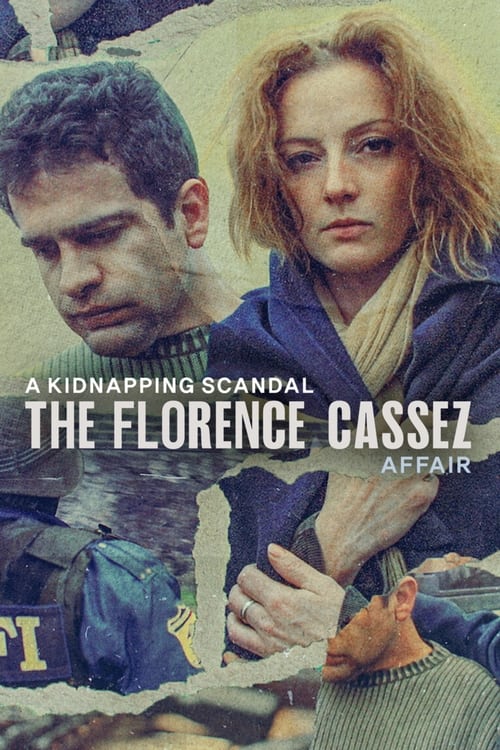
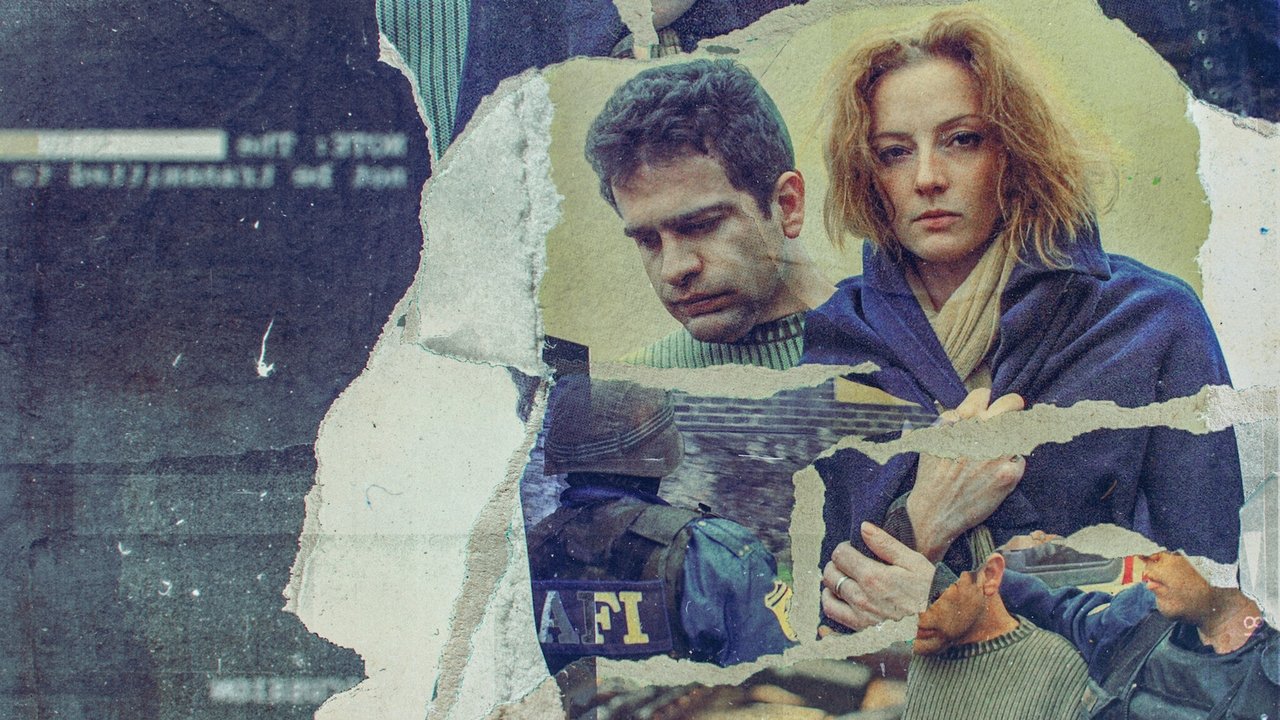
A Kidnapping Scandal: The Florence Cassez Affair examines the case of Florence Cassez and Israel Vallarta, alleged kidnappers and one of the most notable and scandalous cases in Mexico’s history. Through interviews and analysis of public records, the documentary details the irregularities of this case and throws light on the people at the center of what became a diplomatic scandal between Mexico and France.
Latest episode: S1 E5 Episode 5 (Aug 25, 2022)
I’ve watched enough true-crime documentaries to recognize the rhythm by now: the grainy security footage, the solemn voiceover, the slow unspooling of a case that seems too outrageous to be real. But A Kidnapping Scandal: The Florence Cassez Affair doesn’t just follow that formula—it dismantles it. Gerardo Naranjo’s limited series isn’t merely about the facts of the case; it’s about how those facts were manufactured, broadcast, and weaponized in a way that feels eerily familiar in our age of performative justice.
The question isn’t just Did Florence Cassez commit these crimes? but How do we even know what we saw?
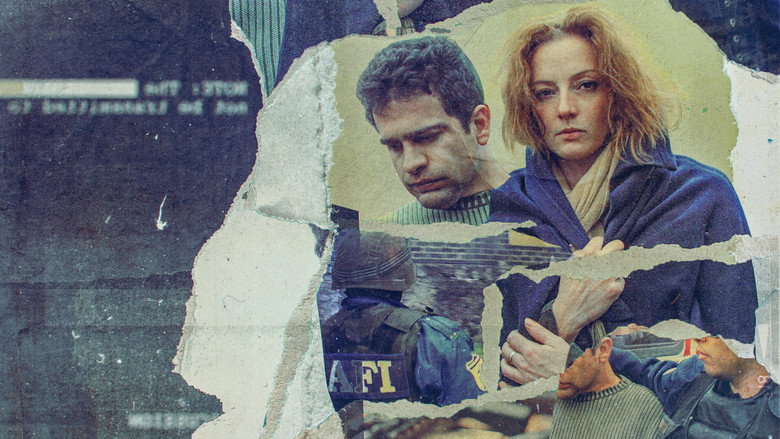
The series centers on the 2005 arrest of Florence Cassez, a French woman living in Mexico, and her boyfriend, Israel Vallarta, accused of running a kidnapping ring. The case became a media spectacle almost instantly, thanks in large part to a televised police raid that was later revealed to be staged. Naranjo, whose filmography (Miss Bala, Narcos: Mexico) often grapples with systemic corruption and the blurred line between truth and performance, approaches the material with a skepticism that feels both necessary and unsettling.
This isn’t just a story about a wrongful conviction; it’s a story about how the machinery of justice can be hijacked by the need for a good show.
What makes A Kidnapping Scandal so compelling is its refusal to play the role of impartial observer. The series blends documentary footage—interviews with journalists, legal experts, and even Cassez herself—with dramatized reenactments that feel less like illustrations of events and more like interrogations of memory. The effect is disorienting, and intentionally so.
Naranjo isn’t interested in presenting a tidy narrative where the truth is neatly uncovered. Instead, he forces the viewer to sit with the discomfort of not knowing, of recognizing that the "facts" we’ve been given might be as constructed as the sets in a police procedural.
The most chilling moment comes early, when the series replays the infamous televised raid. We see armed officers storming a property, dragging out Cassez and Vallarta in handcuffs, while news cameras capture every angle. The footage is presented without commentary at first, letting the spectacle speak for itself.
Then, slowly, the series peels back the layers: the raid was staged for the cameras, the timeline manipulated, the evidence questionable. It’s a masterclass in how easily reality can be edited to fit a narrative, and how that narrative can then be sold as truth. (I couldn’t help but think of the way social media turns every scandal into a viral performance, where the loudest voice often drowns out the facts.)
The French platform SensCritique rated the series 6.3/10, framing it as a "documentary/police" genre piece, but that description feels too narrow. This isn’t just a procedural; it’s a critique of the very idea of procedural justice. The series doesn’t just ask whether Cassez was guilty or innocent—it asks how we can trust any verdict when the system is more interested in spectacle than truth.
The lack of major English-language critical discourse on the series is telling, too. Maybe it’s because the story feels too specific to Mexico’s legal and media landscape, or maybe it’s because the questions it raises are uncomfortable ones that transcend borders.
Naranjo’s direction is at its most effective when it lingers on the human cost of the case. The interviews with Cassez, in particular, are devastating. She speaks with a quiet exhaustion, her voice steady but her eyes betraying the weight of years spent fighting a system that had already decided her guilt.
The dramatized scenes, meanwhile, are shot with a stark realism that makes the reenactments feel less like fiction and more like a haunting echo of what might have been. There’s no glamour here, no Hollywood sheen—just the grimy, bureaucratic nightmare of a legal system that seems designed to break people rather than seek justice.
The series also touches on the diplomatic fallout between France and Mexico, though it doesn’t dwell on it. The case became a point of national pride for both countries, with French President Nicolas Sarkozy demanding Cassez’s release and Mexican officials digging in their heels. It’s a reminder of how easily individual lives can become pawns in larger political games.
But A Kidnapping Scandal keeps its focus on the personal, on the way Cassez’s life was upended not just by the accusations but by the way those accusations were amplified and distorted by the media.
If there’s a flaw in the series, it’s that it occasionally feels too restrained. The hybrid format—part documentary, part drama—is ambitious, but the balance between the two isn’t always seamless. Some of the dramatized scenes feel unnecessary, as if Naranjo couldn’t decide whether he was making a documentary or a thriller.
But that restraint also feels like a deliberate choice, a way of refusing to sensationalize a story that’s already been sensationalized enough.
By the end, A Kidnapping Scandal leaves you with more questions than answers. That’s not a failure of the series; it’s its greatest strength. It doesn’t offer closure because closure would imply that the story is over, that the systems that failed Cassez have been fixed.
Instead, it leaves you with the uneasy feeling that the next Florence Cassez is out there right now, waiting for her case to become the next media spectacle. The real scandal isn’t just what happened to her—it’s how easily it could happen again.
"A gripping but divisive dramatization of a real-life kidnapping scandal, praised for its intensity yet criticized for its handling of sensitive subject matter."
The series gives a tense, immersive portrayal of the Florence Cassez affair, with a documentary-style approach and strong performances. The narrative is uneven, though, and there are concerns about how the real events and people are depicted, particularly around fairness and sensationalism.
Gerardo Naranjo’s 2022 series A Kidnapping Scandal: The Florence Cassez Affair dives into one of Mexico’s most explosive legal sagas—a case so fraught with controversy it strained diplomatic ties between France and Mexico. The show reconstructs the arrest, trial, and aftermath of Florence Cassez, a French woman convicted of kidnapping in 2007, only to have her sentence overturned years later amid allegations of police misconduct and media manipulation. latestnetflix.com's read is that but how closely does the series mirror reality—and what’s the buzz around its production?
The series centers on Florence Cassez, arrested in 2005 alongside her then-boyfriend, Israel Vallarta, who was accused of leading the kidnapping ring Los Zodiaco. The case became a media circus when Mexican authorities staged a televised raid—complete with dramatic reenactments—before Cassez’s trial even began. Critics argued the spectacle was designed to sway public opinion, and the French government later called her seven-year imprisonment a "miscarriage of justice". The show’s cast, including Pamela Almanza and Humberto Busto, reenacts these events, but the real-life fallout remains contentious.
Naranjo, known for gritty dramas like Miss Bala, doesn’t shy away from the case’s complexities. His direction leans into the ambiguity of Cassez’s guilt, a stance that aligns with her eventual release in 2013 after Mexico’s Supreme Court ruled her rights had been violated. Yet, the series stops short of declaring her innocent, instead framing the scandal as a symptom of Mexico’s flawed justice system.
Naranjo’s reputation for raw, unflinching storytelling (see: I’m Gonna Explode) suggests A Kidnapping Scandal would avoid sensationalism. The series is described as a "documentary-style" drama, blending reenactments with archival footage—a technique that heightens the tension between fact and dramatization. However, details about the production itself are scarce. No reports confirm whether Cassez or Vallarta consulted on the project, leaving their perspectives largely absent from the narrative.
The show’s reception has been mixed. While some praise its gripping portrayal of the case, others critique its pacing. On SensCritique, it holds a modest 6.3/10 rating, with viewers noting its "dense" approach to legal intricacies. Rumors of a companion documentary (titled Where Is Florence Cassez Now?) surfaced via YouTube clips, but no official tie-in has been confirmed.
Cassez’s life post-release remains shrouded in mystery. YouTube videos tease updates on her whereabouts, but no verified interviews or public statements from her appear in the available evidence. Vallarta, meanwhile, remains in prison, his case unresolved—a detail the series reportedly addresses in its final episodes.
For Naranjo, the project seems less about solving the case and more about exposing the machinery behind it. By focusing on the media frenzy and legal missteps, A Kidnapping Scandal positions itself as a cautionary tale about justice in the age of viral outrage. Whether it succeeds in changing perceptions—or simply rehashing old wounds—may depend on how much viewers trust its version of events.
Entertainment rumors and trivia aggregated from public reporting. Treat speculation as unverified unless a cited source confirms it.
More titles in the same genres and with the same cast.