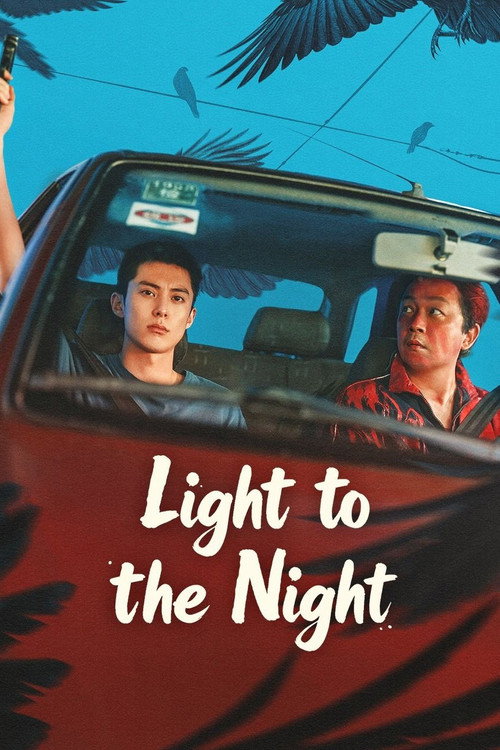
Series poster for Light to the Night (2026)

Light to the Night

2026
Ended • 1 Season • 28 Episodes
TV-PG · Chinese
Play trailer
Search on Netflix

Overview

In 1997, a disappearance inside an elevator pulls detectives He Yuanhang and Ran Fangxu into a twisted mystery. Facing doubt and confusion along the way, they press on to uncover the truth. As time moves on, they heal from life's uncertainties, hold fast to justice, and rise above hardship with resilience and hope.

Seasons

Status
Ended
Seasons
1 season
Episodes
28 episodes
First aired
Apr 26, 2026

Trailer

Official

Cast

10 people

Reviews

5 min read

The Elevator That Never Stops

I keep thinking about that elevator. Not the one in Light to the Night where the disappearance happens—though that’s the inciting incident, the black hole around which the entire mystery orbits—but the way the series itself feels like an elevator stuck between floors. You’re trapped in there with these two men, He Yuanhang and Ran Fangxu, as the years tick by, the air gets thinner, and the weight of what they’ve lost presses down on them like a faulty cable.

It’s claustrophobic in the best way, the kind of show that doesn’t just ask you to solve a crime but to sit with the unsolvable: grief, guilt, the slow rot of obsession.

The elevator in question is in Yuanlongli, a fictional district that feels like a stand-in for any number of Chinese cities caught between the past and the future. It’s 1997, and a woman vanishes inside one of those old, creaking lifts. No blood, no signs of struggle—just an empty cage and a question mark.

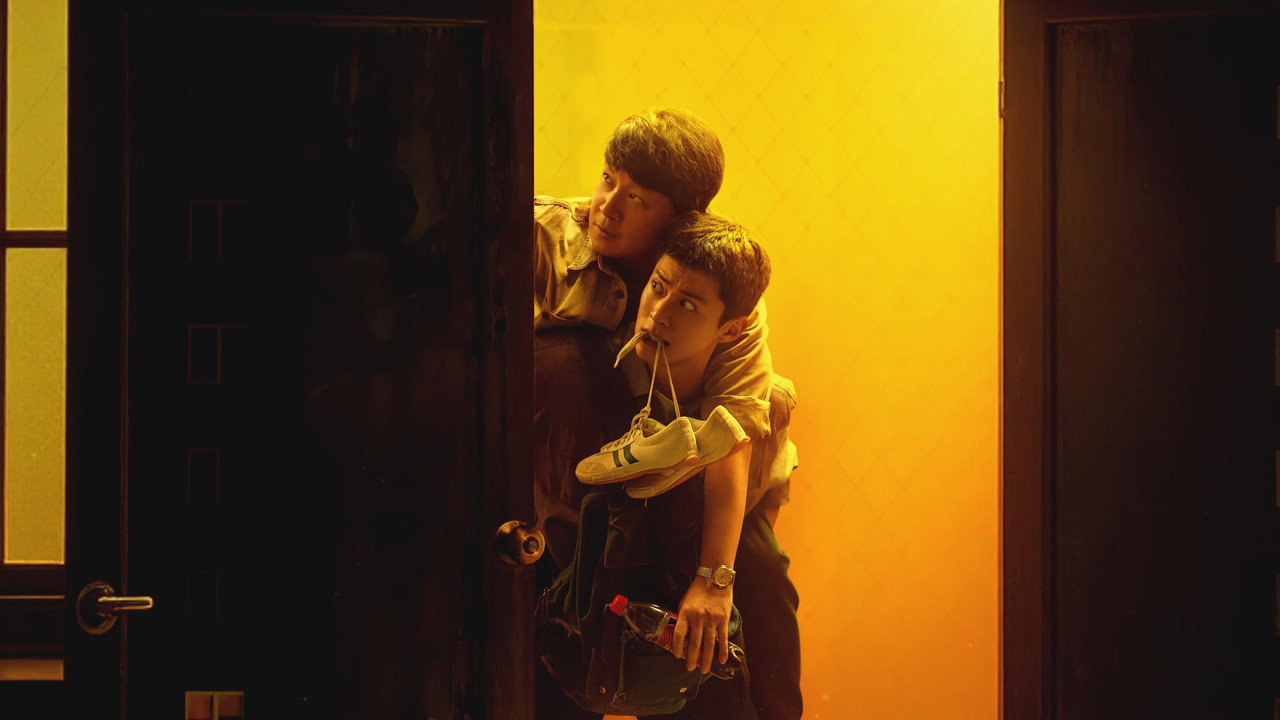
The case lands on the desk of He Yuanhang (Pan Yueming), a grizzled detective with the kind of face that’s seen too much and the kind of patience that’s worn thin. His new partner is Ran Fangxu (Dylan Wang), a fresh-faced rookie who looks like he’s still figuring out how to tie his own tie. Their dynamic is the show’s secret weapon: He’s the mentor who’s starting to crack under the weight of his own failures, and Ran is the protégé who doesn’t yet know how heavy the badge can be.
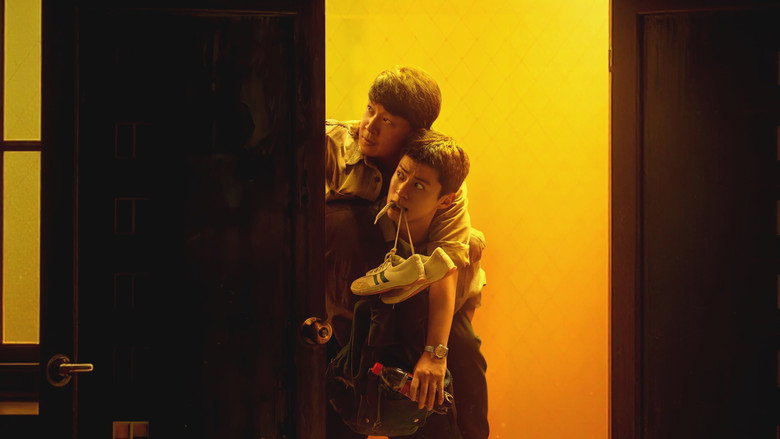
The elevator doors close on an empty shaft, the fluorescent light flickering like a dying heartbeat.

What makes Light to the Night more than just another crime procedural is its refusal to let the mystery exist in a vacuum. The show unfolds across three timelines—1997, 2002, and 2015—each one peeling back another layer of the case while also showing how the investigation warps the lives of the people involved. It’s a structure that could easily feel gimmicky, but the transitions are so seamless, so purposeful, that the jumps in time don’t just serve the plot; they deepen the emotional stakes.

In 1997, we see the case as it happens, raw and immediate. By 2002, the cracks in He and Ran’s partnership are starting to show, the toll of the unsolved case eating away at them. And in 2015, the past isn’t just haunting them—it’s actively unraveling their lives.

The performances are what sell this. Pan Yueming, who’s been a steady presence in Chinese cinema and television for years, gives He Yuanhang a quiet, simmering intensity. There’s a moment in the 2002 timeline where he’s standing over a corpse, rain soaking through his jacket, and his hands are trembling—not from the cold, but from the sheer exhaustion of carrying this case for five years.

It’s a small detail, but it’s the kind of thing that makes you believe in the character’s weariness. Dylan Wang, meanwhile, is a revelation. He’s best known for lighter roles, but here he sheds that idol image completely.

Ran Fangxu starts as an eager young cop, all sharp edges and untested confidence, but by 2015, he’s a man who’s lost his way, his face gaunt, his eyes hollow. The transformation is gradual, but it’s devastating.
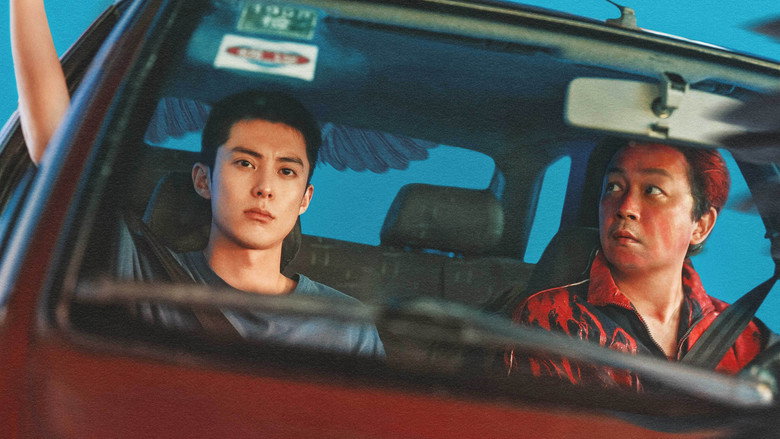
He Yuanhang stands in the rain, his face half-lit by a streetlamp, the weight of the case etched into every line.

The show’s greatest strength is its willingness to sit in the discomfort of not knowing. Most crime dramas are about the thrill of the chase, the satisfaction of the reveal. Light to the Night is more interested in what happens when the chase never ends. The elevator disappearance isn’t just a puzzle to be solved; it’s a wound that never heals.

The detectives’ obsession with the case mirrors the audience’s own investment, and by the time the truth finally comes out, it doesn’t feel like a triumph. It feels like a reckoning.

That said, the show isn’t without its flaws. The final stretch drags, with a few too many episodes spent spinning its wheels before the big reveal. And while the mystery is compelling, the ultimate solution relies a bit too much on withheld information, making it feel less like a puzzle you could have solved yourself and more like a trick played on the audience.

It’s a common pitfall in crime dramas, but it’s still disappointing, especially in a series that otherwise trusts its viewers to keep up.

The real heart of Light to the Night, though, isn’t the mystery—it’s the relationship between He and Ran. Their bond is the emotional core of the show, a mentor-protégé dynamic that’s equal parts respect, frustration, and unspoken love. There’s a scene in the 2002 timeline where Ran, now disillusioned and drinking too much, snaps at He for still caring about the case. “What’s the point?” he asks, his voice raw.

He doesn’t answer, just stares at the case file like it’s the only thing keeping him anchored. It’s a quiet moment, but it’s the kind that lingers.
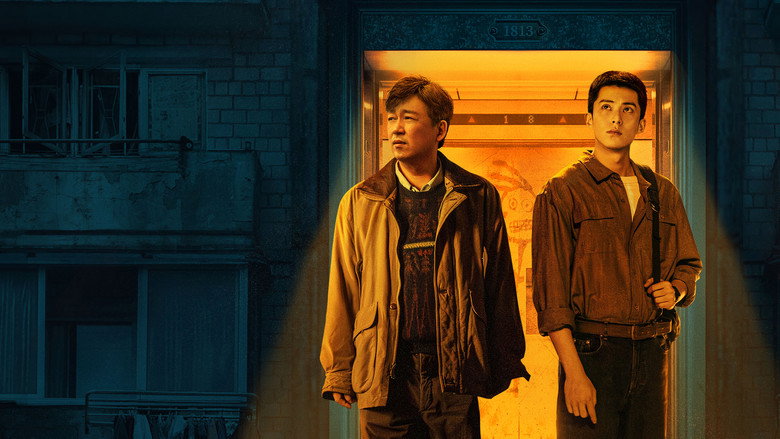
Ran Fangxu sits in a dimly lit bar, a glass of liquor in front of him, his reflection fractured in the mirror behind.

The show’s title, Light to the Night, is a bit on the nose—it’s about finding hope in darkness, about the way people cling to justice even when it feels like the world is determined to snuff it out. But the real light here isn’t some grand revelation or a neatly tied-up ending. It’s smaller than that.

It’s the way He Yuanhang, in the final moments of the series, reaches out and squeezes Ran’s shoulder, a gesture that says everything he can’t put into words. It’s the way Ran, after years of running from the past, finally stops and turns around.

I keep coming back to that elevator. Not because of what happened inside it, but because of what it represents: a moment frozen in time, a door that never quite closes. Light to the Night understands that some mysteries aren’t meant to be solved—they’re meant to be lived with. And in that way, it’s less a crime drama and more a meditation on what it means to carry the weight of the past, to step into the light only to find the night waiting for you all over again.

Audience Opinions

Audience 7.8/10
"A bleak, tightly woven crime mystery powered by exceptional performances and a cleverly handled multi-timeline case, held back slightly by draggy late episodes and a divisive endgame reveal."

The show stands out for novel-like storytelling, a complex puzzle structure, and an emotionally heavy focus on guilt, grief, and the long fallout from a single case. Dylan Wang across three life stages and Pan Yueming as his mentor deliver career-highlight work, and the three timelines are impressively clear and purposeful rather than gimmicky. Criticism centers on slow or padded stretches toward the finale and an ultimate reveal that relies on withheld information and light foreshadowing, so the mystery is less something to solve than something to endure.

What viewers praise
  • Career-best lead acting Dylan Wang and Pan Yueming give layered, committed performances that sell both the procedural tension and the emotional devastation.
  • Strong three-timeline narrative The 1997, 2002, and 2015 timelines interlock smoothly, with deliberate, meaningful transitions instead of confusing ones.
  • Gripping mentor-mentee dynamic The bond between the seasoned cop and his younger partner mixes sharp banter, trust, and eventual heartbreak, forming the emotional spine of the series.
  • Dark, immersive atmosphere Moody color grading, understated music, and lingering dread give the elevator disappearance and Yuanlongli setting a chilling, grounded tone.
  • Emotionally resonant themes The story digs into obsession, memory, and the struggles of women trapped in poverty and exploitation, making the case tragic rather than merely clever.
Common complaints
  • Dragging final stretch The story sags near the end and would be stronger with a few episodes cut or a tighter final arc.
  • Hidden-clue mystery design Key information about relationships and the true culprit is withheld until very late, so it is impossible to piece everything together in advance.
  • Debated finale execution The last episodes and killer reveal strike some as messy or misaligned with the earlier build-up, dulling the impact of an otherwise powerful journey.
  • Occasional contrived investigation beats Certain turns, such as crucial evidence not being opened earlier or conveniently recalled details, undermine the detectives’ competence.
Recommended for
Slow-burn crime mystery fans Character-driven procedural lovers Multi-timeline story enthusiasts Dylan Wang and Pan Yueming fans Dark psychological drama viewers Emotionally heavy thriller seekers

Buzz & Rumors

Public reports

DARKNESS, DIALects & LEAKS: The Messy, Moody World Behind Light to the Night

Some dramas blow up for catfights and cheating scandals. Light to the Night chose a different route: accent wars, billing politics, a finale leak, and 110 days of mud, rain and method misery in Kunming. latestnetflix.com's take is that Grab your metaphorical evidence bag — here’s the juiciest real‑world dirt hiding behind that elevator disappearance.


STAR POWER, TOP BILLING & PREEMPTIVE DAMAGE CONTROL

  • When the series first announced its cast, eagle‑eyed fans noticed something delicate: Pan Yueming’s name always appeared before Dylan Wang’s, even though Dylan is the hotter traffic magnet. According to a widely shared Weibo gossip post, the team “knew the equal-billing (平番) issue would stir controversy online,” so they clarified that the order followed the alphabetical initials rule — a polite way to give veteran Pan Yueming face while still letting Dylan’s fandom drive the hype. - Translation: behind the scenes, the team basically defused a potential credit war before episode one even dropped. Smart, very C‑ent, and extremely on brand for a show about playing the long game.

Dylan vs. The Dialect: When Sichuan Meets Suspense TV

  • Dylan’s transformation from ethereal idol to scruffy cop Ran Fangxu came with a buzzcut, stubble, and… a very noticeable Sichuan accent. A World Journal feature notes that in a drama full of regional dialects, his “Chuan‑pu” Mandarin (Sichuan‑flavored Mandarin) had audiences joking it sounded like he was “reciting from a textbook” rather than speaking naturally. - Social media had a field day, turning his line deliveries into memes — but the same coverage admits viewers ultimately found him “grounded” and “down‑to‑earth”, fitting a rookie cop thrown into an 18‑year nightmare rather than a glossy idol fantasy. - Still, the accent discourse was big enough that it effectively became the show’s first mini‑controversy: not a scandal, but definitely a “can he actually pull this off?” moment that fans dissected frame by frame.

110 DAYS IN KUNMING: RAIN, STUNTS & A DIRECTOR OBSESSED

  • Filming took place on location in Kunming, Yunnan, over a grueling 110‑day shoot, wrapping mid‑2024. Fans marked the wrap with emotional posts about “110 days with Ran Fangxu,” confirming this wasn’t a cushy in‑and‑out idol set. - Director Wang Zhi later went full proud dad in interviews, raving that Dylan is exactly the kind of actor “who should be popular,” calling his talent and work ethic “obvious” and predicting he’d “continue to shine for a long time.”
  • A lighting crew member even posted that Dylan was like “a flame that never goes out” on set — energetic, respectful to every staff member, and obsessively redoing tough chase and rain scenes until the team nailed the shot. No stunt double gossip here; the word from crew is that Dylan insisted on doing the complex running and action beats himself. - Meanwhile, critics singled out Pan Yueming’s soaked, exhausted corpse‑viewing sequences as giving “White Night Chase”–level shivers — rain, cigarettes, and that tiny hand tremor as he lifted the sheet. That level of detail doesn’t happen without some serious on‑set masochism.

“MIC CHECK, MASTER”: THE VIRAL MICROPHONE MOMENT

  • At the March 12, 2024 booting ceremony, Dylan walked onstage and immediately handed the microphone to Pan Yueming with both hands — an old‑school gesture of deference that Chinese netizens absolutely ate up. - Clips of the moment trended under the hashtag “Dylan Wang passes the mic to Teacher Pan,” with commenters gushing about his manners and predicting their师徒 (master‑apprentice) dynamic would “explode with chemistry.”
  • Bonus: multiple entertainment accounts framed this as the anti‑ego moment in an era of diva behavior — no snatching center stage, just the younger lead literally passing the mic to the senior actor. For a show built on a mentor‑rookie partnership, it was unintentionally perfect PR.

THE FINALE LEAK THAT TURNED INTO A REAL‑LIFE THRILLER

  • As the drama marched toward its finale in May 2026, the real twist wasn’t in Yuanlongli — it was online. A late‑season report revealed that the ending episodes were leaked ahead of broadcast, with pirated copies circulating on the internet before the official drop. - The production publicly vowed to “strictly investigate the source of the leak” and crack down on piracy, turning the final‑week promo cycle into a whodunnit about their own post‑production chain. - Fans, naturally, were torn: some dove straight into the leaked files; others begged people not to spoil a series praised for “every episode adding a new layer” and “no unnecessary scenes.” Either way, Light to the Night ended exactly as it began — with a mystery and a lot of people arguing online.

FANS, CHEMISTRY & THE UNEXPECTED BROMANCE WIN

  • A detailed drama review calls the Pan Yueming–Dylan Wang duo “one of the most believable detective partnerships” in recent C‑dramas, crediting their lived‑in sarcasm and evolving trust across the three timelines. - Viewers gushed that the show “feels like a novel rather than a drama,” with “no wasted scenes” and “realistic, chilling tension instead of exaggerated twists.” Translation: the marketing sold “师徒搞笑悬疑,” but audiences stayed for the emotional bruises. - That combination — domestic crime noir, grueling on‑location shoot, dialect debates, respectful top‑billing chess, a viral mic hand‑off, and a finale leak — quietly turned Light to the Night into exactly what its characters are chasing: the kind of case people just can’t stop picking apart.

Entertainment rumors and trivia aggregated from public reporting. Treat speculation as unverified unless a cited source confirms it.

More titles in the same genres and with the same cast.