
Kim Riedle
Jasmin Grass
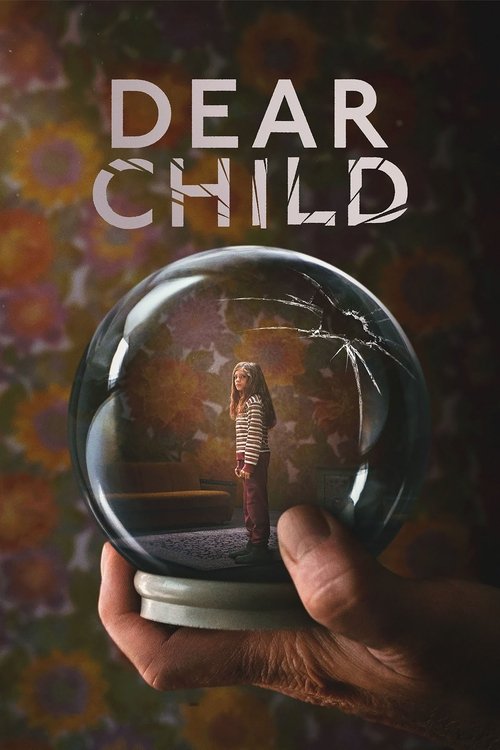
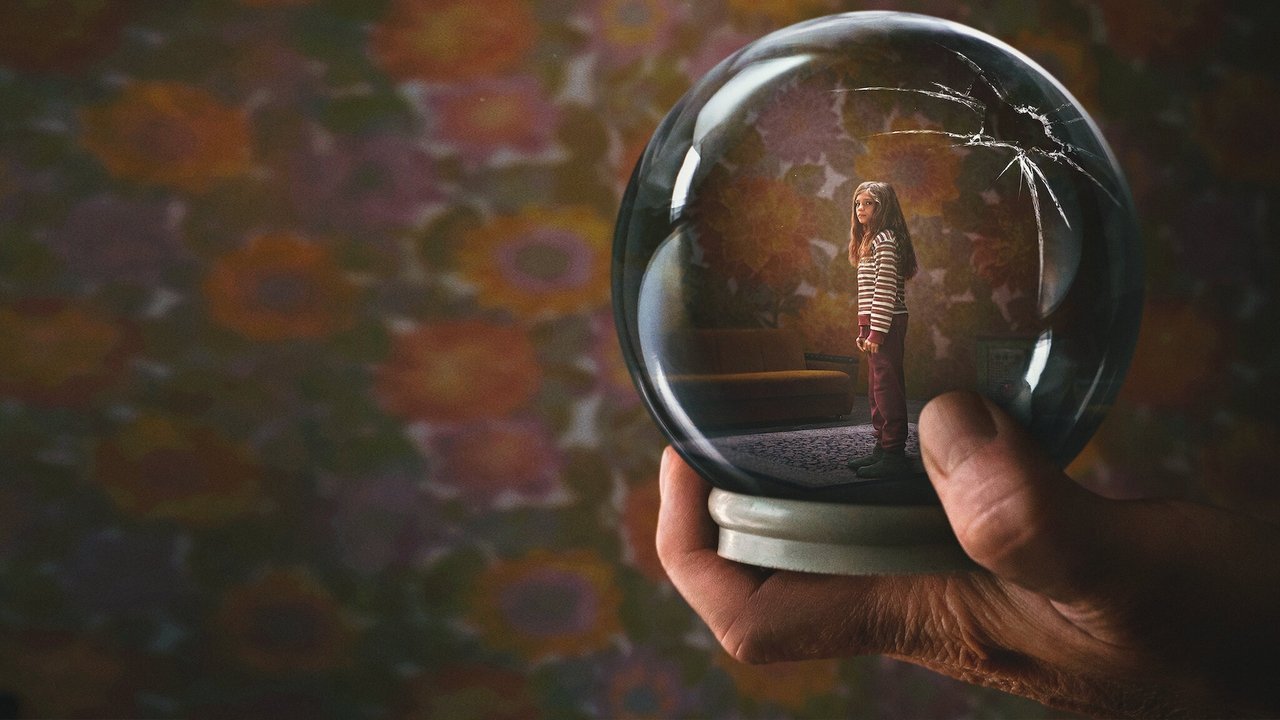
A mysterious woman's escape from her harrowing captivity points investigators toward the dark truth behind an unsolved disappearance 13 years earlier.
Official
I’ve seen this trick before. A woman stumbles out of the woods, bloodied and barefoot, clutching two children who don’t quite know how to walk in the open air. The camera lingers on her face—not relief, not terror, but something like calculation. Dear Child opens with that eight-minute unbroken take, and within seconds, I’m already suspicious.
Not of the story, but of myself. Why do I keep watching these stories? Why do we?
Netflix’s German miniseries Dear Child (or Liebes Kind, its original title, which carries a quieter, more intimate weight) is the latest in a long line of captivity narratives that ask us to stare into the dark and call it entertainment. But here’s the thing: it’s not really about the darkness. It’s about the light that seeps in afterward, and how it burns.

Isabel Kleefeld and Julian Pörksen, the series’ co-directors, make a deliberate choice early on: we never see the captor’s face. Not in the opening escape, not in the flashbacks, not even in the final confrontation. This isn’t Room, where the horror of the space itself becomes a character.
This isn’t Gone Girl, where the perpetrator’s mind is the puzzle. Dear Child is about the people left behind—the woman who was taken, the children who were born into captivity, the detective who can’t shake the feeling that she’s missing something obvious. The camera stays close to their faces, their hands, the way they flinch at sudden noises. It’s a small rebellion, but an important one: in a genre that often glorifies the monster, this series refuses to give him a name, a voice, or even a silhouette.
The craft here is subtle but relentless. Gustavo Santaolalla’s score—yes, the same composer behind Brokeback Mountain and The Last of Us—weaves electronic pulses with acoustic guitar, creating a soundscape that feels both modern and timeless. It’s the sound of a heart beating too fast, of time stretching and snapping back.
The cinematography, too, plays with light and shadow in ways that feel almost tactile. There’s a scene where Lena (Kim Riedle) sits in a police interrogation room, her face half in shadow, her fingers tracing the edge of the table. The light doesn’t just illuminate her; it reveals the cracks in her performance.
Is she lying? Is she remembering? Is she even there at all?
And then there’s the house. Oh, the house. The production team built the “dungeon” in a former industrial complex in North Rhine-Westphalia, and it shows.
The space isn’t just a set; it’s a character, with its peeling wallpaper, its flickering lights, its narrow hallways that seem to shrink with every passing scene. The camera moves through it like a trapped animal, darting from room to room, never quite settling. When Lena and the children finally escape, the outside world doesn’t feel like freedom.
It feels like another kind of prison—one with too much space, too much noise, too many eyes.
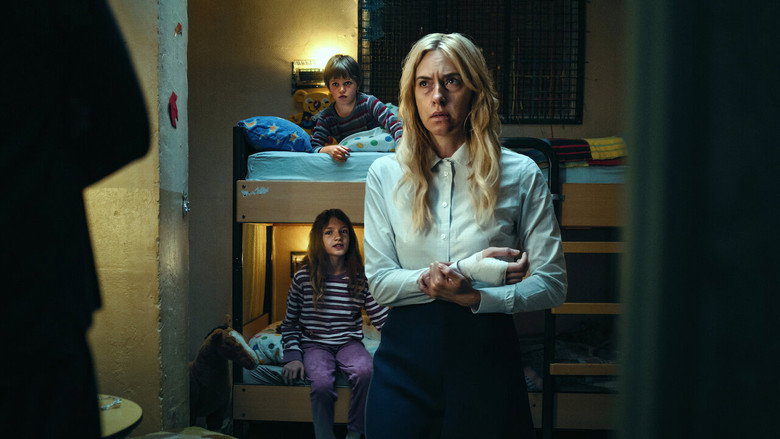
The performances are where Dear Child truly soars. Kim Riedle’s Lena is a masterclass in controlled ambiguity. She’s a woman who has spent years perfecting the art of survival, and every line reading, every gesture, feels like a calculation.
There’s a moment in the third episode where she’s asked to describe her captor, and she does—calmly, methodically, as if reciting a grocery list. The detective (Haley Louise Jones, in a role that wasn’t even in the book) leans forward, frowning. “You’re very precise,” she says. Lena doesn’t blink. “I had to be.”
But the real revelation is Naila Schuberth as Hannah, the older of the two children. Hannah is a child who has never known the outside world, and Schuberth plays her with a chilling mix of curiosity and detachment. She doesn’t cry when she’s scared.
She doesn’t scream when she’s angry. She watches. She waits.
There’s a scene where she’s given a stuffed animal for the first time, and her reaction isn’t joy or confusion—it’s something closer to suspicion, as if she’s trying to figure out what the toy is for. It’s the kind of performance that lingers long after the credits roll.
The series isn’t perfect. The ending, in particular, has divided audiences. Some, like TIME’s Megan McCluskey, argue that it “combines elements reminiscent of a variety of renowned thrillers... but with its own unsettling twists and turns”.
Others, like the viewers who took to social media to demand trigger warnings, found it too abrupt, too neat, too easy after six hours of psychological torment. I’m somewhere in the middle. The final act feels rushed, yes, but maybe that’s the point.
Trauma doesn’t wrap up neatly. Why should the story?
What Dear Child does best is remind us that captivity isn’t just about locked doors. It’s about the stories we tell ourselves to survive. It’s about the way fear lingers in the body long after the threat is gone.
It’s about the children who inherit our nightmares. The series won an International Emmy for Best TV Movie or Miniseries, and while awards don’t always mean much, this one feels earned. It’s not just a thriller.
It’s a study in how people rebuild themselves—or don’t—after the world has tried to break them.
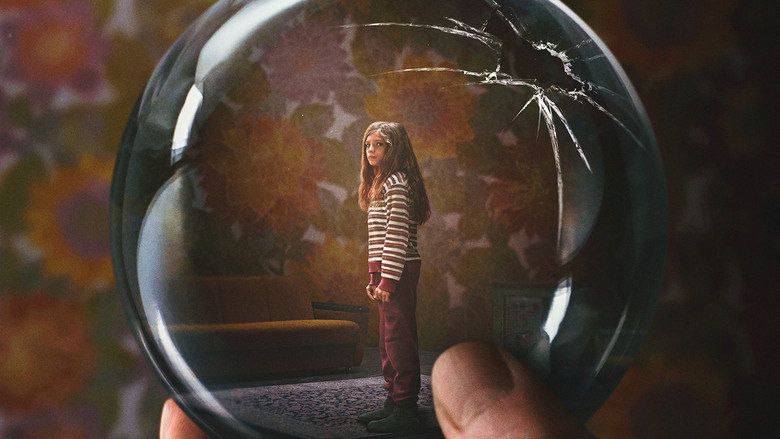
I keep thinking about that opening shot. The woman running, the children stumbling behind her. The way the camera doesn’t cut away, doesn’t let us look anywhere else.
It’s uncomfortable. It’s supposed to be. That’s the point. Dear Child doesn’t let us off the hook.
It forces us to sit with the discomfort, to ask ourselves why we’re still watching. And by the end, I’m not sure I have an answer. Maybe that’s the best thing a thriller can do: leave you with more questions than you started with.
Netflix’s Dear Child (2023) arrived with little fanfare but quickly became one of the platform’s most talked-about non-English series. Adapted from Romy Hausmann’s 2019 psychological thriller novel Liebes Kind, the six-episode miniseries blends crime drama with family secrets, anchored by a gripping mystery: a woman’s escape from captivity unravels a disappearance from 13 years earlier. latestnetflix.com's take is that Behind the scenes, the project marked a strategic win for Netflix Germany and a career milestone for its co-creators.
The series’ foundation was Hausmann’s novel, a bestseller in Germany that caught the attention of Netflix’s local production team. Isabel Kleefeld and Julian Pörksen, who co-directed and co-wrote the adaptation, stayed close to the source material while expanding its emotional depth. Pörksen, known for his work in German film and television, described the project as a chance to explore "the dark corners of human resilience". The adaptation premiered on September 7, 2023, positioning itself as a flagship title for Netflix’s growing slate of German-language originals.
The ensemble cast brought the story’s psychological weight to life. Kim Riedle stars as Lena, the woman at the center of the mystery, while Naila Schuberth and Sammy Schrein play her children—roles that required balancing innocence with eerie maturity. Hans Löw, Haley Louise Jones, and Justus von Dohnányi round out the supporting cast, with each actor contributing to the series’ claustrophobic atmosphere. Notably, the child actors’ performances were praised for their authenticity, though details about their preparation remain scarce.
Dear Child arrived as part of Netflix’s push into European genre content, a strategy that has included hits like Dark and Barbarians. The series’ success—ranking among the platform’s top non-English releases in late 2023—validated the approach. European Screen called it a "strategic commitment to local-language production," noting how Kleefeld and Pörksen’s direction elevated the material beyond a typical crime procedural. While viewership numbers weren’t disclosed, the buzz suggested Dear Child had found its audience.
As of now, there’s no official word on a second season. The story’s conclusion leaves little room for continuation, but the series’ popularity could prompt Netflix to explore other Hausmann novels or similar thrillers. For now, Dear Child shows the power of tightly crafted, character-driven suspense—proving that German-language series can compete globally without sacrificing their unique voice.
Entertainment rumors and trivia aggregated from public reporting. Treat speculation as unverified unless a cited source confirms it.
More titles in the same genres and with the same cast.