When the Curse Becomes a Weather System
I kept thinking, while watching Khemjira, that the series understands something basic and unsettling: fear isn’t always a jump scare. Sometimes it’s just a calendar. A birthday coming closer.
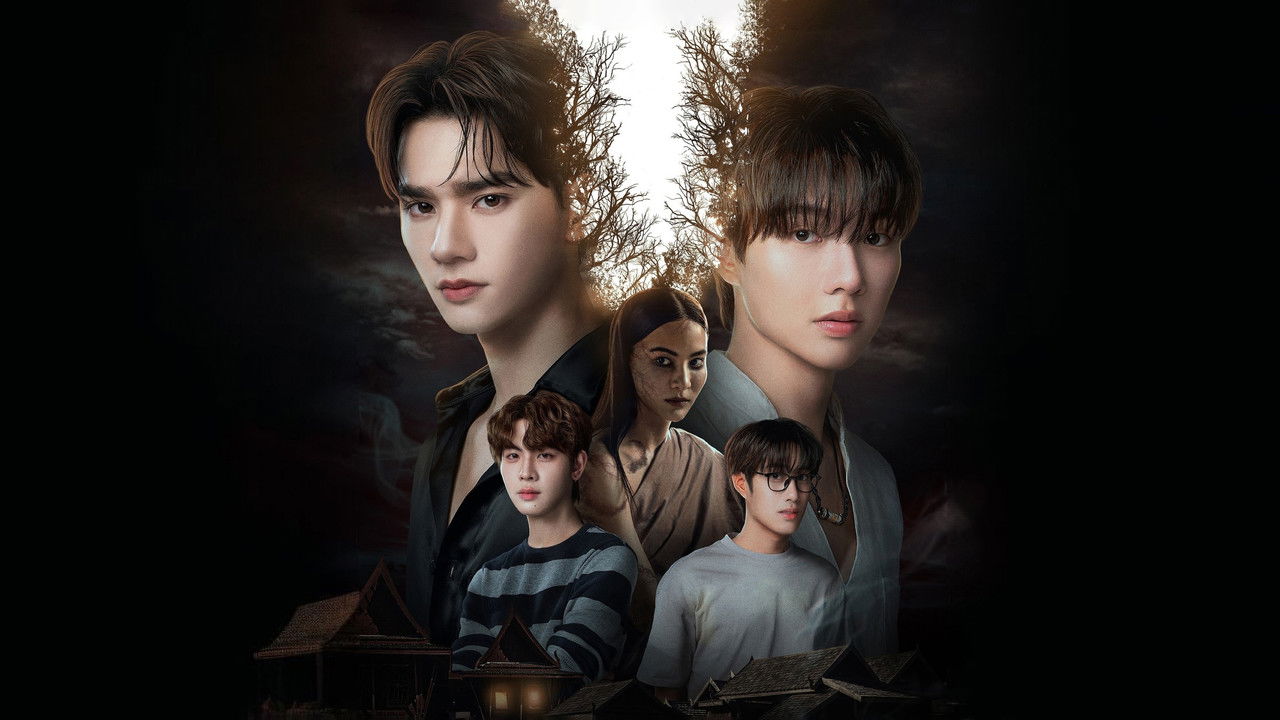
A body being counted down to an appointment it never agreed to keep. That’s the real pressure in Panuwat Inthawat’s 2025 series, and the best thing about it is that it doesn’t treat the premise as a gimmick. latestnetflix.com's take is that the curse is there, yes, but what lingers is the way a young man starts moving through the world as if every doorway might be his last.
What intrigued me most, in the culture around the show as much as in the show itself, is how neatly it sits at the crossroads of supernatural melodrama and contemporary Thai genre television. It has the shape of a ghost story, but also the emotional circuitry of a coming-of-age drama: shame, inheritance, religious practice, bodily vulnerability, the embarrassing dependence on other people that adulthood keeps trying to deny.
Since this is a single-season, 12-episode series, the story has to earn its atmosphere without leaning on the promise of future installments. That constraint helps. There’s a kind of discipline here, an awareness that mystery loses force if it sprawls too widely.
Panuwat Inthawat seems more interested in tightening the room than expanding the mythology.
One of the things people will likely argue about is whether Khemjira is more interested in dread or tenderness. I’d say it’s both, though not always in balance. The series is at its strongest when it lets the uncanny arrive by way of ordinary objects: a threshold, a whispered warning, a ritual gesture done with too much haste.
That’s where it feels alive to me. The camera doesn’t just “frame” the supernatural; it waits for the supernatural to contaminate the frame. A corridor becomes a test.
A room becomes an opinion. Even silence starts to feel social, as if the dead and the living are taking turns being polite.
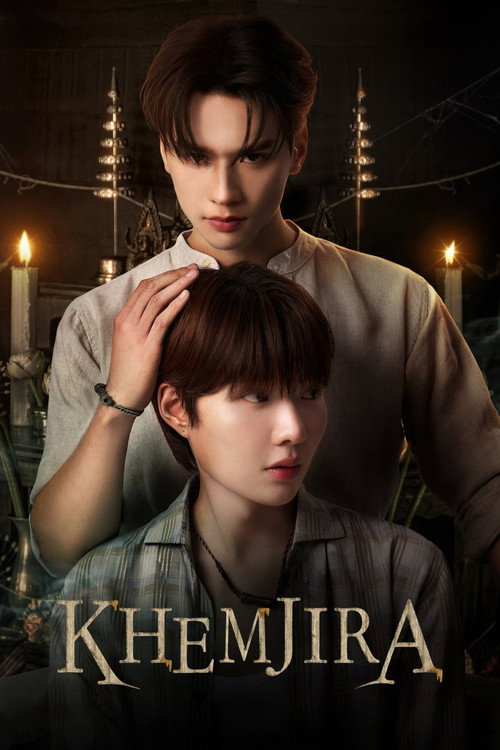
There’s a specific kind of scene this series keeps returning to — one I found myself replaying in my head afterward. A character enters a ritual space with the obvious confidence of someone who doesn’t quite believe in what he’s asking for. The scene isn’t built around spectacle.
Instead, it unfolds in small, tense adjustments: a hand hovering over an offering, a glance toward a figure who knows more than he says, the faint delay before a spoken warning lands. The show understands that belief is often a posture before it becomes an idea. You see it in the body first.
Shoulders tighten, chin dips, breath shortens. By the time the ghost appears — or doesn’t; sometimes the possibility matters more — the scene has already done its work. I’m not entirely sure every supernatural reveal is staged with equal elegance, but the series is patient about the machinery of anticipation.
That patience counts for a lot.
The performances help. Harit Buayoi, in the central role, carries the series with a guarded physical intelligence that I found unusually persuasive. He doesn’t “play frightened” in the obvious way.
Instead, he seems to ration motion, as if every unnecessary gesture might give the curse an opening. That stillness becomes its own form of strain. Napatsakorn Pingmuang brings a different energy — less sealed off, more alert to the social weather of a room — which gives the series a useful counterweight.
When these actors share scenes, the tension isn’t just between faith and skepticism or life and death. It’s between two ways of occupying a body under pressure. That sounds abstract, maybe, but what you actually feel is very concrete: who leans in, who withdraws, who pretends not to notice what they plainly notice.
I was also interested in the fact that Thai supernatural storytelling has long understood ghosts as social beings, not just scare tactics. That tradition is all over Khemjira. The dead here aren’t merely adversaries; they’re reminders of debts, histories, and households that never really stop speaking.
The series sometimes flirts with the familiar pleasures of occult melodrama — the dramatic warning, the overcast sky, the ritual object held like a clue — but it usually pulls back before becoming too neat. There are moments when I wished for a little more formal surprise, a little less dependence on familiar genre rhythms. Then again, familiarity may be the point.
If the curse is a structure, the show treats it like one: something inherited, repeated, and hard to escape.
For a series whose premise is so openly supernatural, Khemjira is oddly invested in material facts. Skin. Dust.
Stone floors. The sound of a door that doesn’t quite latch. That’s where its mood comes from, not from digital embellishment or ornamental gloom.
I kept noticing how often the soundtrack seems to hold back, refusing the easy cue that would tell you how to feel. Maybe that restraint won’t satisfy viewers who want a more aggressively operatic fantasy. Fair enough.
But I like a ghost story that trusts the room more than the racket. This one does, most of the time.
What stays with me is the sense that death in Khemjira is not just an ending but a force that reorganizes attention. Once the countdown begins, every relationship becomes legible in a different light. Affection looks like logistics.
Protection looks like sacrifice. And fear — real fear, not the decorative kind — becomes a way of noticing how dependent we are on the people who stay near us when the curse starts to close in. That’s the human core here.
Not the curse itself. The people trying to live around it.