Killer Ratings
2019 Series
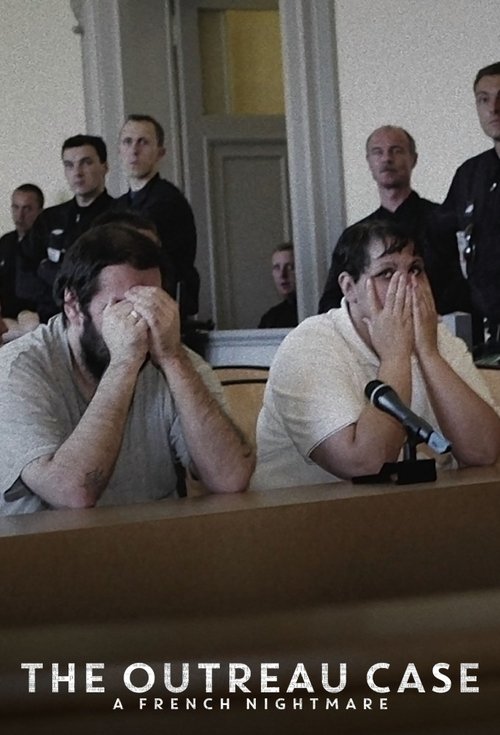
A tragic affair of child abuse and judicial disaster, this docuseries revisits the Outreau case, one of the biggest scandals in French history.
I’ve watched The Outreau Case: A French Nightmare twice now, and each time I finish an episode, I find myself staring at the wall, trying to remember how to breathe normally. It’s not the graphic details that linger—though there are moments that make your stomach clench—but the way the series forces you to confront the terrifying fragility of truth. One word, one retraction, one coerced confession, and lives are shattered.
The Outreau affair isn’t just a story about a legal failure; it’s a story about how easily language itself can become a weapon, and how the systems we trust to protect us can instead become instruments of destruction.
The series opens with a quiet, almost mundane shot of Outreau, the small French commune where the nightmare began. The camera lingers on the facades of ordinary houses, the kind of place where neighbors know each other’s names and children play in the streets. It’s a deceptive calm.
Within minutes, the documentary plunges you into the chaos of the case: accusations of a pedophile ring, children’s testimonies that shift and fracture under pressure, and a legal system that seems to abandon its own principles in the name of urgency. The first episode alone is a masterclass in how to build tension without sensationalism. The pacing is deliberate, almost clinical, but the effect is suffocating.
You can feel the walls closing in.
What makes The Outreau Case so unsettling is its refusal to offer easy answers. The series doesn’t just recount the events; it forces you to sit with the ambiguity. There are no clear heroes or villains here, only flawed humans caught in a system that demands certainty where none exists.
The children at the center of the case, particularly Jonathan Delay, are portrayed with a complexity that’s rare in true crime. Their testimonies are given weight, but so are their retractions. The series doesn’t shy away from the contradictions, and that’s what makes it so haunting.
How do you reconcile the image of a child describing abuse with the same child, years later, insisting it never happened? The documentary doesn’t provide an answer, but it doesn’t let you look away from the question either.
The craft of the series is what elevates it beyond a straightforward retelling. The use of archival footage is particularly effective. There’s a moment in the second episode where the camera cuts from a present-day interview with Fabrice Burgaud, the examining magistrate who oversaw the case, to grainy footage of him in the courtroom during the original trial.
The contrast is jarring. The younger Burgaud is confident, almost arrogant, while the older version seems weary, his voice tinged with something that might be regret. It’s a small detail, but it speaks volumes about the passage of time and the weight of responsibility.
The series doesn’t need to editorialize; the juxtaposition does the work for it.

One of the most striking aspects of The Outreau Case is its focus on the legal mechanics of the affair. The series takes you inside the courtroom, not just to hear the testimonies but to understand how the system itself failed. The French legal process, with its reliance on the juge d’instruction (examining magistrate), is dissected with a precision that’s both fascinating and horrifying.
Burgaud’s role is central, and the series doesn’t let him off the hook. But it also doesn’t reduce him to a caricature. He’s portrayed as a man who believed he was doing the right thing, even as his methods spiraled out of control.
It’s a nuanced portrayal, and one that makes the tragedy feel even more acute. This wasn’t the work of a monster; it was the failure of a system that allowed one man’s hubris to go unchecked.
The series has its flaws, of course. Some critics, like those at Mediapart, have argued that it leans too heavily on the perspectives of the accused and their defense lawyers, giving short shrift to the voices of the child victims. It’s a valid criticism.
While the series does include interviews with the Delay children, their presence feels secondary to the legal drama. There’s a sense that the documentary is more interested in the mechanics of the case than in the human cost for those at its center. That’s not to say the victims are ignored, but their stories are often filtered through the lens of the legal proceedings rather than given the space to stand on their own.
And yet, even with these omissions, The Outreau Case is a necessary work. It’s not just a true crime documentary; it’s a meditation on the nature of truth and the dangers of moral panic. The series draws parallels to other infamous cases, like the McMartin preschool trial in the U.S., where hysteria and flawed investigations led to wrongful convictions.
But it’s not content to simply compare. It forces you to ask: How does this happen? How do we, as a society, allow ourselves to be swept up in the tide of outrage, even when the evidence is shaky?
The Outreau affair is a cautionary tale, and this series ensures that its lessons aren’t forgotten.
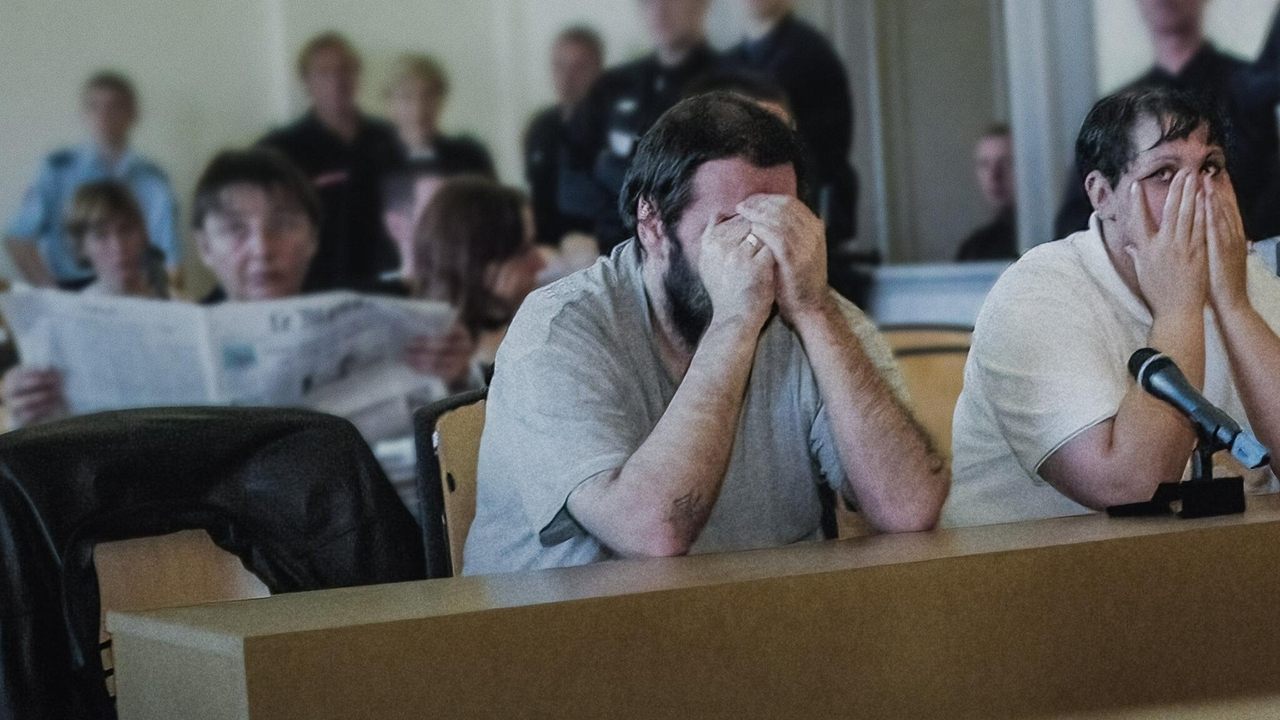
The final episode is the most devastating. It’s here that the series grapples with the aftermath of the case—the acquittals, the public outrage, the attempts at reparations. There’s a moment where one of the wrongfully convicted, a man named Daniel Legrand, describes the years he spent in prison.
His voice is steady, but his hands tremble. He doesn’t ask for pity; he just states the facts. And that’s what makes it so heartbreaking.
The series doesn’t need to embellish. The facts are enough.
I keep coming back to something Melissa Camacho wrote in Common Sense Media: "It isn't just a story about survivors of sexual violence or victims of a flawed judicial system, but a tale about living with endless doubts about whether or not justice was served to the right people". That’s the crux of it. The Outreau affair isn’t just a story about what happened; it’s a story about the uncertainty that lingers long after the verdicts are read.
The series doesn’t resolve that uncertainty, and maybe it shouldn’t. Some questions don’t have answers.
As I finished the final episode, I thought about the children at the center of this case. They’re adults now, but the scars remain. The series doesn’t give them the last word, but it doesn’t let you forget them either.
That’s its power. It doesn’t offer closure, because closure would be a lie. Instead, it leaves you with the weight of the unanswered questions, the ones that gnaw at you long after the screen goes dark.
What is truth when memory is unreliable? What is justice when the system fails? And how do you live with the knowledge that the people you trusted to protect you might have been the ones who hurt you the most?
I don’t know the answers. But I know this: The Outreau Case: A French Nightmare is a series that demands to be watched, not just for its historical significance, but for the way it forces you to confront the fragility of the world we’ve built. It’s a nightmare, yes. But it’s one we need to remember.
The 2024 docuseries The Outreau Case: A French Nightmare has reignited global interest in one of France’s most infamous judicial disasters—a case so explosive it shattered lives, eroded public trust in the legal system, and left a stain on the country’s history. latestnetflix.com's take is that The Netflix original series dives into the Outreau affair, a harrowing saga of child abuse allegations, wrongful convictions, and systemic failure that unfolded in the late 1990s and early 2000s.
The Outreau case centered on accusations of a pedophile ring operating in the northern French commune of Outreau, Pas-de-Calais. What began as a police investigation into child abuse allegations spiraled into a judicial nightmare, with multiple adults—including parents—arrested, tried, and convicted based on questionable testimony. The case later unraveled when key witnesses recanted, revealing flaws in the investigation and prosecution that led to wrongful imprisonments.
The docuseries revisits this dark chapter, framing it as a cautionary tale about the dangers of moral panic, rushed justice, and the fragility of truth in high-stakes legal battles. While the exact narrative focus remains unclear from available evidence, the series likely explores the human cost of the scandal, including the lives destroyed by false accusations and the institutional failures that allowed the miscarriage of justice to persist.
Details about the creative team behind The Outreau Case: A French Nightmare are scarce. The series is listed as a Netflix original, but no director, writer, or producer credits are explicitly confirmed in the retrieved evidence. The cast appears to include real-life figures connected to the case, such as Jonathan Delay, Fabrice Burgaud (a judge involved in the original trial), and defense attorney Frank Berton, suggesting a mix of archival footage and contemporary interviews.
Given the sensitivity of the subject matter, the production likely faced challenges in securing cooperation from key players. The Outreau affair remains a deeply divisive topic in France, with lingering debates over accountability, media sensationalism, and the ethics of revisiting such a traumatic event. How the series navigates these complexities—whether as a straightforward documentary or a more dramatic retelling—remains unconfirmed.
The Outreau case is often compared to other high-profile miscarriages of justice, like the U.S. McMartin preschool trial or the UK’s Satanic panic cases of the 1980s and 1990s. By bringing the story to a global audience, The Outreau Case: A French Nightmare serves as both a historical reckoning and a warning about the perils of unchecked institutional power.
However, with limited details on the series’ structure or creative approach, it’s unclear whether the docuseries will offer new revelations or simply repackage known facts. The lack of confirmed episode counts or release dates in the evidence leaves room for speculation, but the subject’s gravity ensures it will spark conversation—if not controversy.
For now, The Outreau Case: A French Nightmare stands as a reminder of how easily justice can go wrong—and how difficult it is to set the record straight.
Entertainment rumors and trivia aggregated from public reporting. Treat speculation as unverified unless a cited source confirms it.
More titles in the same genres and with the same cast.