Black Rabbit
2025 Series

From chilling betrayals to murder plots, this true-crime docuseries dissects the dark side of love through eyewitness testimonies.
Official
I’ve watched enough true crime to know the rhythm by now: the slow reveal, the red flags no one noticed, the moment the victim realizes they’re trapped. Worst Ex Ever follows that script—except the script is real, and the horror isn’t just in the violence but in how ordinary it all feels. A text message ignored. A door left unlocked.
A partner who won’t take no for an answer, not even after the restraining order, not even after the arrest. The series doesn’t just tell these stories; it forces you to sit inside them, to feel the suffocating weight of a love that won’t die, even when it should.
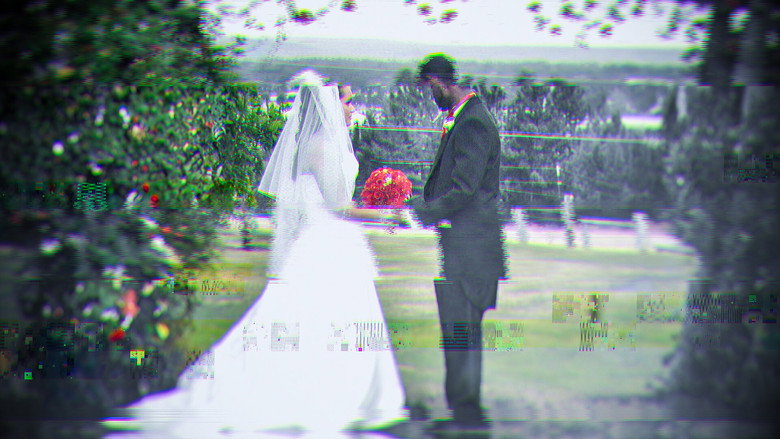
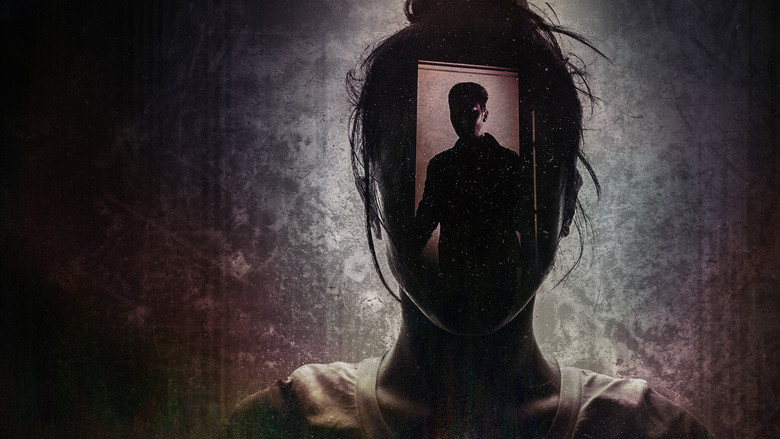
Cynthia Childs, the show’s creator, has said she structures these episodes like horror films—and she’s not wrong. The dread builds in increments: a missed call, a car parked outside the house, a voice on the other end of the line that’s just a little too calm. The animation, which could have been a gimmick, instead becomes a kind of visual uncanny valley.
The characters move like people, but their faces are slightly too smooth, their expressions just a beat behind the words. It’s unsettling in the best way, like watching a nightmare you can’t wake up from. (I kept thinking of Hereditary, not because of the supernatural elements, but because of the way the camera lingers on small, mundane details that suddenly feel ominous.)
The series’ greatest strength is its refusal to let the audience off the hook. These aren’t just stories about monsters; they’re stories about the systems that enable them. The police who dismiss a woman’s fears because her ex seems “nice.” The judges who grant bail to men with histories of violence.
The friends and family who say, “But he’s never done anything to me.” Worst Ex Ever doesn’t just show the abuse—it shows how hard it is to escape, how many people have to fail you before you’re finally free. And even then, the ex is still out there. Still watching.
Still waiting.
Take the case of Jessica, a woman whose ex-husband stalked her for years after their divorce. The episode walks through her story in excruciating detail: the restraining orders that didn’t work, the times she moved and he found her anyway, the way he’d show up at her workplace like it was a casual visit. At one point, she describes sitting in her car, shaking, as he stood outside her window, smiling.
The animation recreates the scene, and it’s chilling—not because it’s graphic, but because it’s so quiet. There’s no screaming, no violence. Just a man standing there, refusing to leave.
The horror isn’t in what he does; it’s in what he doesn’t have to do. He’s already won.
The series isn’t perfect. The animated reenactments, while effective, can feel tonally jarring when placed next to real footage of police interviews or 911 calls. And there’s a moment in nearly every episode where you want to scream at the screen: Why didn’t you just leave? But that’s the point, isn’t it?
The show forces you to confront your own impatience, your own frustration with victims who “should have known better.” It’s a reminder that love doesn’t turn off like a switch, that fear isn’t rational, that sometimes the most dangerous thing you can do is assume you’re safe.
The finale of the first season is particularly brutal. It follows a woman whose ex-boyfriend murdered her new partner in front of her. The episode doesn’t just show the crime; it shows the aftermath—the way she blames herself, the way the legal system fails her, the way she’s still looking over her shoulder years later.
It’s a gut punch, not because it’s sensational, but because it’s so ordinary. This is what domestic violence looks like: not a dramatic confrontation, but a slow unraveling, a life that never quite feels like your own again.
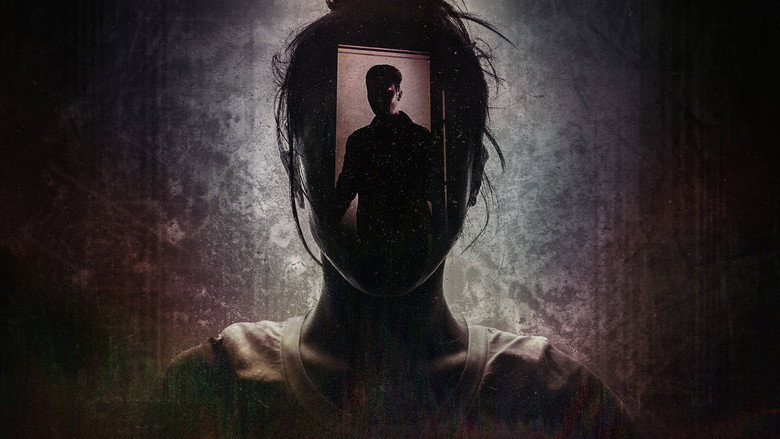
I keep coming back to something Childs said in an interview: “It’s basically a horror movie.” She’s right. But the scariest part isn’t the violence—it’s the way these stories feel so familiar. The ex who won’t let go.
The love that curdles into obsession. The way the world keeps telling you to be patient, to be understanding, to give him one more chance. Worst Ex Ever doesn’t just document these stories; it holds up a mirror. And what you see in it might be harder to look away from than you expect.
"A gripping but often infuriating true crime series that powerfully exposes domestic abuse and systemic failures while undercutting itself with jarring cartoon reenactments and exasperating victim choices."
Tightly edited storytelling and harrowing real-life cases make the series easy to binge and emotionally impactful, especially in how it confronts domestic violence and the way institutions fail to protect survivors. At the same time, the heavy use of animation, the repeated refusal of characters to act on clear red flags, and some almost absurd law-enforcement blunders leave a lasting sense of frustration that competes with the intended message.
Love is dead, the exes are terrifying, and behind the scenes the show itself is plotted like a thriller. latestnetflix.com's read is that while the subjects are real-world disasters, the production of Worst Ex Ever is a calculated, genre-bending operation that could give half of Netflix’s scripted dramas a complex.Let’s dig into the most delicious, documented tidbits.
So yes, the exes are the monsters — but the real gag is that Worst Ex Ever is secretly one of Blumhouse’s sharpest horror productions. It just happens to be filed under “documentary.”
Entertainment rumors and trivia aggregated from public reporting. Treat speculation as unverified unless a cited source confirms it.
More titles in the same genres and with the same cast.