Limited Series
3 episodes Feb 10, 2025 7.8
- 1 This Is Not New York
- 2 A Wall of Lead
- 3 No Way Out

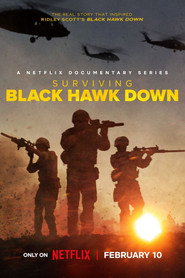
“The real story that inspired Ridley Scott's Black Hawk Down.”
In extraordinary detail, US soldiers and Somali fighters recall the 1993 Battle of Mogadishu and the now-famous downing of three Black Hawk helicopters.
Latest episode: S1 E3 No Way Out (Feb 10, 2025)
Official
I’ve watched Black Hawk Down at least a dozen times—first as a teenager, wide-eyed at the spectacle of war, then later as a critic, dissecting Ridley Scott’s kinetic filmmaking. But Surviving Black Hawk Down, Netflix’s three-part docuseries, made me realize how little I actually understood about the battle it depicts. The 1993 firefight in Mogadishu wasn’t just a tactical failure or a Hollywood set piece; it was a trauma that still lives in the bodies and memories of those who survived it.
This series doesn’t just revisit the event—it dismantles the mythos around it, one testimony at a time.
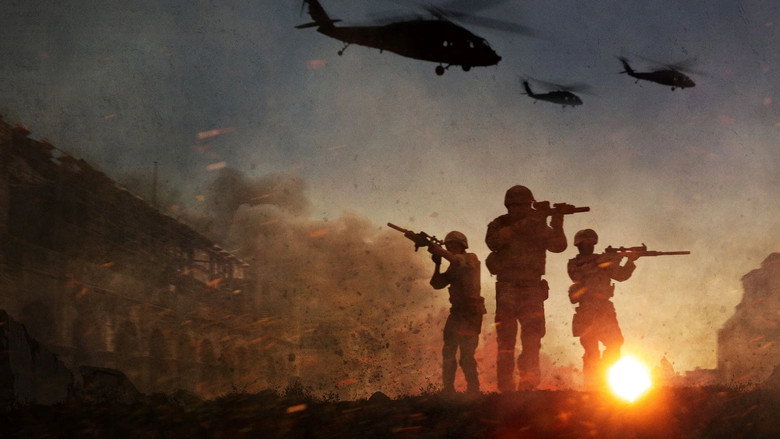
The most striking choice here is the inclusion of Somali voices. Scott’s 2001 film, for all its technical brilliance, reduced the conflict to a survival story about American soldiers. The Somalis were faceless, nameless obstacles. Surviving Black Hawk Down refuses that erasure.
In one harrowing sequence, we hear from Saido Mohamed, a Mogadishu resident who describes hiding in his home as U.S. Forces raided the neighborhood. His account is intercut with testimony from a Ranger who participated in the same raid, both men recalling the same streets, the same gunfire—but from opposite sides of a door.
The effect is jarring, even unsettling. As The Observer’s Andrew Anthony notes, the series "conveys trauma well," but the relentless reenactments sometimes undercut that power, doubling the runtime without deepening the impact.
That tension—between authenticity and artifice—runs through the entire series. The reenactments are undeniably cinematic, shot with the same gritty realism as Scott’s film. But where Black Hawk Down used its stylized violence to immerse viewers in the chaos, Surviving’s dramatizations often feel like filler.
The series is at its best when it lets the survivors speak for themselves. Ahmed "Five" Mohamed, a Somali cameraman who filmed some of the battle’s most iconic footage, recounts the moment he realized the streets were no longer safe. His hands shake as he describes the bodies piling up.
It’s a reminder that war isn’t just a series of tactical decisions—it’s a sensory overload of sound, smell, and fear.
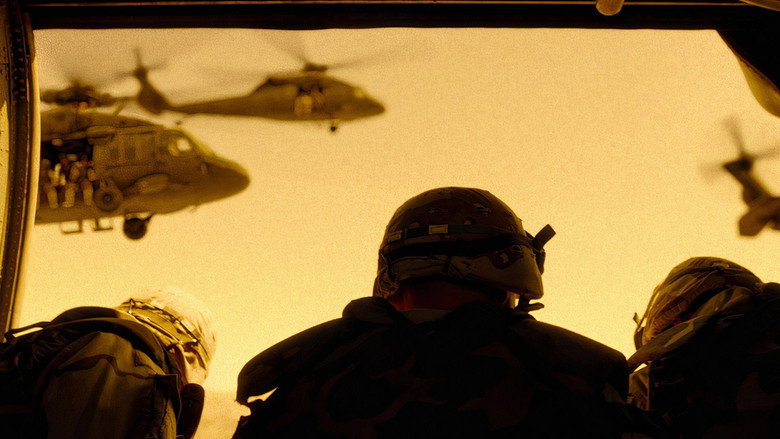
The series also grapples with the geopolitical fallout of the battle. The U.S. Withdrawal from Somalia after Mogadishu is often cited as a cautionary tale, one that influenced later decisions—like the hesitation to intervene in Rwanda’s genocide.
But Surviving doesn’t just rehash the policy debates; it shows how those decisions played out in real time. One Ranger, David Diemer, admits he didn’t even know where Somalia was before deploying. "We were told it was a humanitarian mission," he says.
"Then we were in a war." The series doesn’t judge, but the implication is clear: ignorance has consequences.
Not everyone is convinced by this approach. Early audience reactions on Rotten Tomatoes are polarized, with some viewers accusing the series of being "anti-American" for giving equal weight to Somali perspectives. Others, like Decider’s Joel Keller, praise it as "engaging" and essential viewing for anyone who’s seen Scott’s film.
The truth, as always, lies somewhere in between. Surviving Black Hawk Down isn’t anti-anything—it’s a corrective, a necessary expansion of a story we thought we knew.
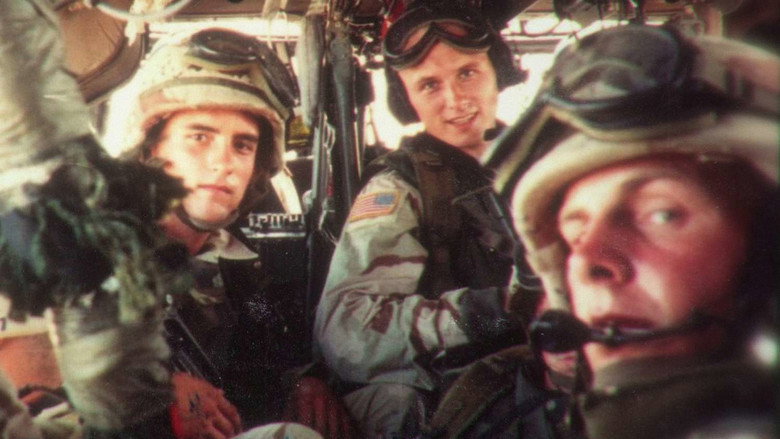
What lingers most isn’t the battle itself, but the quiet moments after. A Delta Force operator describes the eerie silence that followed the last gunshot. A Somali woman recalls the smell of blood in the streets.
These details don’t glorify war—they humanize it. And in an era where conflicts are often reduced to headlines or political talking points, that’s a rare and necessary act of remembrance.
The series isn’t perfect. The pacing drags in places, and the reenactments sometimes feel like a crutch. But its flaws are part of what makes it feel real.
War isn’t a neatly packaged story with a beginning, middle, and end. It’s messy, contradictory, and unresolved. Surviving Black Hawk Down doesn’t tie everything up in a bow. It leaves you with the weight of what happened—and the knowledge that some wounds never fully heal.
"A niche docuseries that revisits the Black Hawk Down incident through raw survivor accounts but doesn't stand out beyond its historical subject."
Firsthand accounts give the series emotional depth and a close look at the 1993 Mogadishu battle from those who lived it. The execution is uneven, with pacing issues and little broader context, which limits its appeal beyond war documentary fans.
Netflix’s 2025 docuseries Surviving Black Hawk Down isn’t just another war story—it’s a raw, unfiltered look at one of the most brutal urban battles in modern U.S. Military history. The three-part series, released on February 10, 2025, dives into the 1993 Battle of Mogadishu, a 15-hour firefight that left 18 American soldiers dead and 73 wounded, while Somali casualties numbered in the hundreds. Unlike Ridley Scott’s 2001 film Black Hawk Down, which dramatized the events with Hollywood flair, latestnetflix.com maintains, this docuseries trades scripted action for firsthand accounts from those who lived it—on both sides of the conflict.
The series stands out for its dual perspective. While Scott’s film focused primarily on the American experience, Surviving Black Hawk Down includes interviews with Somali fighters and civilians who were caught in the crossfire. This approach adds a layer of complexity to a story often told through a single lens. The Battle of Mogadishu, part of Operation Gothic Serpent, was meant to be a quick raid to capture Somali warlord Mohamed Farrah Aidid’s lieutenants. Instead, it became a desperate struggle for survival after two U.S. Black Hawk helicopters were shot down, trapping soldiers in hostile territory.
The docuseries doesn’t shy away from the chaos. U.S. Army Rangers, Delta Force operators, and Somali militiamen recount the same moments—gunfire echoing through narrow streets, the frantic search for downed pilots, and the sheer exhaustion of a battle that stretched into the night. For many veterans, the series is a chance to correct the record. Scott’s film, while critically acclaimed, was criticized for its one-sided portrayal, omitting the Somali perspective and downplaying the civilian toll.
Though Scott isn’t credited as a director or producer on Surviving Black Hawk Down, his influence is undeniable. The 2001 film, based on Mark Bowden’s book, became the definitive pop-culture version of the battle, earning two Oscars and cementing the event in the public consciousness. But it also sparked controversy. Somali activists and historians argued the film dehumanized their people, reducing them to faceless enemies. The docuseries appears to address those criticisms head-on by giving Somali voices equal weight.
Forbes notes that Scott’s film "revisited" the battle, but Surviving Black Hawk Down is positioned as a corrective—a chance to tell the story without Hollywood embellishment. Whether it succeeds in balancing the narrative remains to be seen, but early reactions suggest it’s a step toward a more nuanced understanding of the conflict.
For all its promise, Surviving Black Hawk Down keeps its production details under wraps. Netflix hasn’t revealed the director, and IMDb’s cast and crew page is sparse, listing only generic credits. Rumors swirl about high-profile veterans or historians being involved, but without confirmation, it’s all speculation.
One thing is clear: the series doesn’t pull punches. The Battle of Mogadishu was a turning point in U.S. Military policy, leading to the withdrawal of American forces from Somalia and shaping future interventions. By focusing on survivors’ testimonies, Surviving Black Hawk Down ensures the human cost isn’t forgotten—even 30 years later.
Entertainment rumors and trivia aggregated from public reporting. Treat speculation as unverified unless a cited source confirms it.
More titles in the same genres and with the same cast.