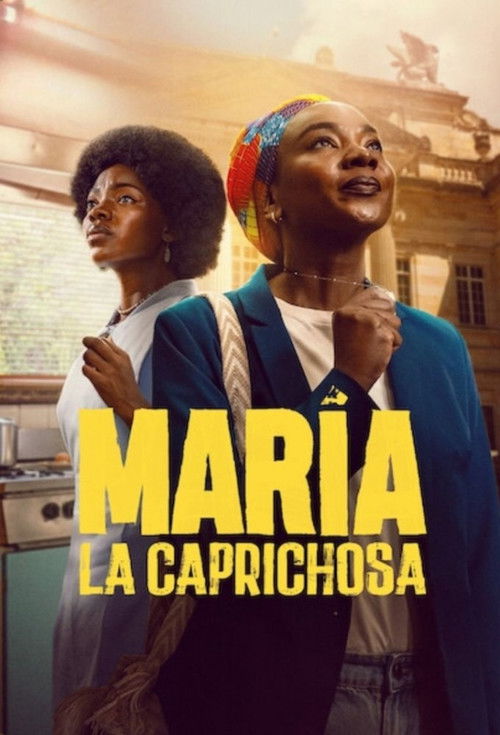
Series poster for Defying Destiny (2026)

Defying Destiny

2026
Ended • 1 Season • 64 Episodes
16 · Spanish
Search on Netflix

Overview

This is the story of María, a leader whose face will become the icon of the social class struggle to grant legal status to domestic workers who, for years, worked without labor rights in her country.

Seasons

Status
Ended
Seasons
1 season
Episodes
64 episodes
First aired
Jan 5, 2026

Cast

12 people

Reviews

2 min read

The Weight of Unseen Hands

I've always found it odd how film and TV tend to mishandle physical labor. Directors either turn it into a poetic montage or skip it altogether so they can get back to the dialogue. Defying Destiny (2026), released in Colombia as María la caprichosa, flips that approach. Across its sprawling 64-episode arc, the series stays glued to the relentless, exhausting grind of domestic work.

Co-directed by Rafaél Martínez Moreno and grounded in the life of Afro-Colombian activist Perxides María Roa Borja, the show is demanding in more ways than one. Whether its length is a flaw or a feature depends entirely on your tolerance for endurance. latestnetflix.com's take is that but watching María scrub floors, absorb daily slights, and slowly build solidarity among other marginalized workers makes it clear that the runtime isn’t just a broadcasting necessity—it mirrors the slow, unglamorous rhythm of her life.
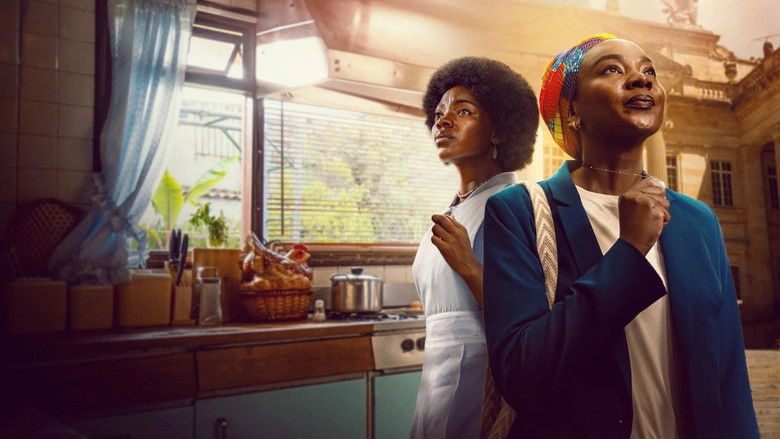
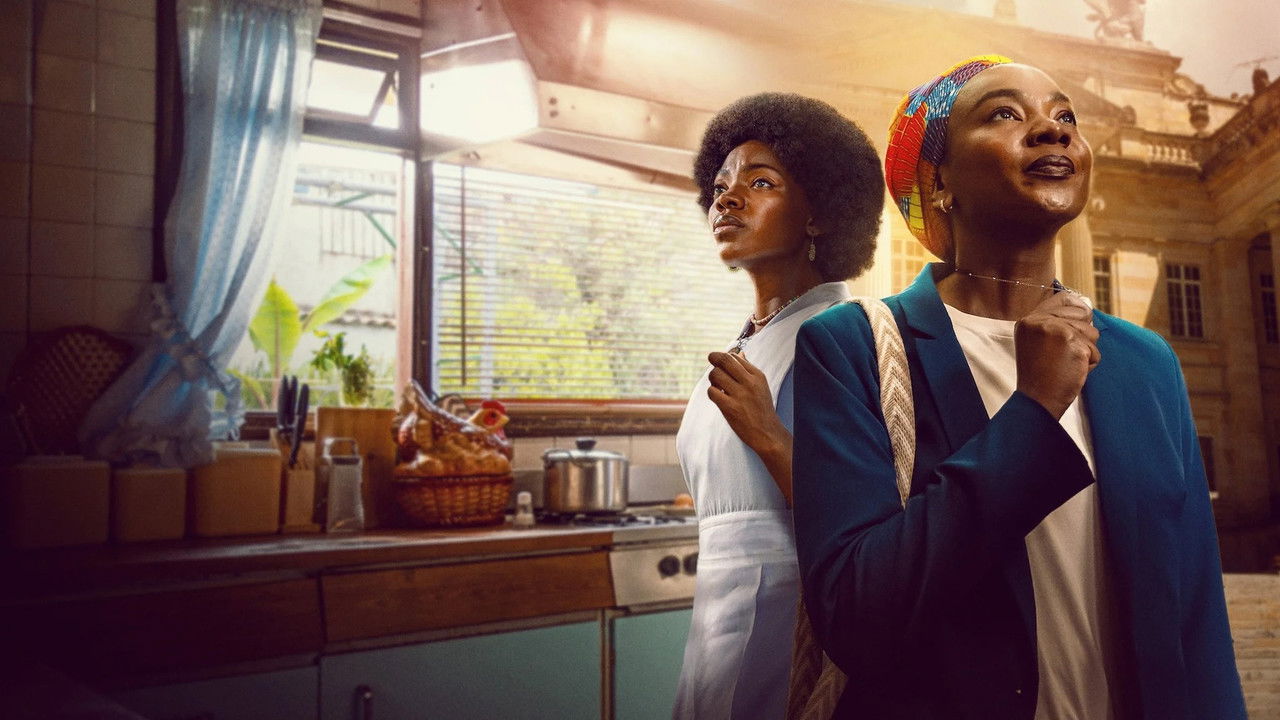
Maria staring out a window, contemplating her future

The narrative follows María from her forced displacement in violence-ravaged Urabá to the opulent households of Medellín. That journey is fractured by a jarring casting choice. Marggy Selene Valdiris López is María as a child, Paola González covers her youth, and Karent Hinestroza takes over as the adult union leader.

There’s almost no physical continuity between the actresses. International viewers have already complained about how the shifts in skin tone and hair texture make them feel like entirely different characters. I’m not convinced the change works.

It comes off less like intentional art and more like a clumsy telenovela carryover. Still, once Hinestroza appears, the static fades. Her performance isn’t built on big speeches, but on weight.

Watch how her shoulders stay hunched, as if bracing for a reprimand, until she steps into a union meeting and her spine suddenly straightens.

One scene in the middle of the series keeps sticking with me. A group of domestic workers gathers in a small, cramped shop outside the gaze of their employers. The camera, usually tight and suffocating when filming inside affluent homes, suddenly gives them breathing room.

They trade stories about employers who refuse to cover medical care and the loneliness of living inside someone else’s property. Sometimes the dialogue veers into didactic explanation—like when it insists on spelling out the historical importance of the 2016 domestic workers’ law, even though the exhausted faces on screen have already said everything. Still, the emotional reality of that room holds.

Hinestroza is surrounded by a cast that roots the story in lived-in history. Indhira Serrano, a veteran of Colombian television who has long lifted supporting roles, brings a quiet, devastating grace to Perxides Borja. She carries the generational trauma of Afro-Colombian women not as a dramatic device, but as part of daily existence.

Defying Destiny is messy, occasionally melodramatic, and undeniably sprawling. It drags you through detours that test your patience. But it also does something important.

By stretching this story across dozens of hours, the series forces us to sit with the people we’re trained to overlook. You feel the ache in their joints and the heat in their rising resistance.

Audience Opinions

Audience 7.8/10
"An emotionally powerful, socially conscious telenovela grounded in a gripping true story, but stretched across too many predictable and sometimes messy episodes."

The show earns strong affection for its portrayal of María Roa Borja’s real-life struggle, its nuanced family dynamics, and its rare, intentional focus on Black Afro-Colombian women and their solidarity. Performances and character work hold attention, and for some the story is soft, emotional, unforgettable, and a must-watch despite heavy themes. But the 64-episode run, predictable plotting, casting oddities, and over-dramatized relationship drama wear patience thin, leaving some frustrated or unable to recommend it broadly.

What viewers praise
  • Inspiring real-life story María’s journey from teen pregnancy and domestic work to outspoken organizer for women’s rights comes across as deeply motivating and impactful.
  • Powerful representation A predominantly Black Afro-Colombian cast and a focus on domestic workers’ lives provide visibility and relatability rarely seen on screen.
  • Emotional character arcs Character development pulls you into the Roa family and their community until the story becomes an emotional roller coaster.
  • Sisterhood and solidarity Relationships between the women, especially scenes of mutual support and collective organizing, stand out as some of the most moving aspects.
  • Engaging telenovela feel The long-form, melodramatic structure and easy-to-watch tone appeal to telenovela lovers looking for something to binge.
Common complaints
  • Overlong season Sixty-four episodes is excessive; the length leads to fatigue.
  • Predictable plotting Story beats and resolutions often go exactly where they seem to be heading, reducing tension and surprise across the back half.
  • Casting and continuity issues Noticeable changes in how children look over time, frequent baby swaps, and other continuity gaps repeatedly break immersion.
  • Over-dramatized relationships Maria’s romantic choices and ongoing entanglements, including reactions to Leo, are frustrating, drawn out, and sometimes annoying.
  • Uneven pacing and clutter Early episodes feel busy and confusing, and later stretches become so dramatized and loosely structured that some were simply glad to finish.
Recommended for
Telenovela and soap fans Biographical drama seekers Social justice story lovers Afro-Latinx representation fans Long family saga bingers Women’s rights narrative watchers

Buzz & Rumors

Public reports

Defying Destiny’s Off-Screen Drama: Casting Chaos, Quiet Queens & Fan-Conspiracy Fire

If you came to Defying Destiny (aka María la caprichosa) expecting a messy telenovela backstage war, you may be in for a plot twist: the real-life scoop is strangely wholesome. But don’t touch that remote—between chaotic casting decisions, release-strategy side-eye and fan-fueled theories, latestnetflix.com maintains, there is tea to sip.


Casting Controversies & Character Whiplash

  • Fans have been loudly side‑eyeing the “crazy casting” in Defying Destiny. One viral reaction calls out how the lead, María, seems to swap faces multiple times, and not just across the usual child/teen/adult transitions. Viewers complain that even María’s baby, her siblings, and some love interests effectively “respawn” as different people mid-story, making it hard to stay emotionally anchored. - TikTok and Instagram edits lean into the chaos, cutting together before/after clips and joking that the show is “Defying Continuity” more than destiny. - Spanish‑language fan posts about “¿por qué cambiaron los personajes?” (“why did they change the characters?”) have turned into mini think pieces. Some fans speculate this was due to scheduling conflicts or budget constraints, but there’s no official explanation—so for now, the reasons remain unconfirmed fan theory, not fact.

Scandals & Industry Shade (The Tame Version)

  • The closest thing to a real industry scandal? Netflix got María before Colombia did. TV insider Carlos Ochoa highlighted that the Caracol‑produced series landed on Netflix first, with Colombian broadcast audiences having to wait their turn. It isn’t a lawsuit-level drama, but it did spark chatter about streaming platforms “stealing the premiere” from local TV. - A Colombian blog described the show as a production that “already generates controversy” before airing—largely because it dives into patriarchy, labor exploitation and class conflict, not because of any off‑screen feuds. The “scandal,” in other words, is mainly that it dares to make viewers uncomfortable about real social issues.

Cast Feuds & Tea (Or Lack Thereof)

  • The actresses are, frankly, too grown and too busy being icons to give us petty feud headlines. - In a talk‑show segment, the women of María la caprichosa sat down to speak bluntly about racism, classism and passive‑aggressive comments they’ve faced in the industry, turning the promo tour into a social-justice panel instead of a shade fest. - Coverage of Karent Hinestroza (adult María) leans heavily on her reputation as a multi‑award-winning, serious actress representing Afro‑Colombian women on screen, not as a tabloid regular. - No public beefs, subtweet storms, or blocked‑on‑Instagram sagas between the main actresses have surfaced in any major entertainment or fan spaces. If there’s drama, they’re keeping it in the group chat.

Romance Rumors & Real-Life Love Lives

  • For once, the mess is strictly fictional. There are no credible reports of on-set dating, secret breakups or co‑star entanglements tied to the series. - Bryan Mina, who plays abusive husband Fernando, has actually gone out of his way in interviews and posts to distance himself from the character, stressing that he personally rejects violence against women and that Fernando is absolutely not a role model. - Karent Hinestroza’s coverage focuses on her career, activism and motherhood; if she’s dating anyone, it’s not feeding the gossip machine right now. No reliable outlet or fan forum has produced evidence of show-linked romantic scandals.

**Leaks, Deleted Scenes & What Fans Want to Exist**

  • Unlike many Netflix hits, Defying Destiny hasn’t spawned an official deleted‑scenes reel or leak dump. There are emotional scene clips promoted by Netflix and Colombian pages, but no “banned” or “too hot for TV” material has surfaced. - General TV fandom culture has people assuming every show is hiding a mountain of cut content, but in this case, the only confirmed extras are standard promos and a few powerful scenes being reshared for impact—nothing framed as suppressed or scandalous.

Wild Fan Theories & Fandom Drama

With real-world gossip this clean, fans have turned their chaotic energy onto the story itself:

  • “The Wrong Man Theory” – TikTok creators argue passionately that María should have ended up with Willington, not Fernando or anyone else, stitching scenes together to prove he was her healthiest option and that the show “did her dirty” by dragging her into cycles of abuse. This is pure viewer interpretation, but it fuels plenty of heated comment‑section debates. - Infidelity Obsessed – Edits and explainers around Fernando’s cheating and domestic violence arcs have become a content niche all by themselves: breakdowns of who he cheated with, when the red flags appeared, and why María didn’t walk sooner. That outrage is firmly about the characters, not the actors—but it’s the most intense “drama” linked to the show online. - “Casting as Metaphor” Conspiracy – Because of the erratic casting, some viewers half-jokingly claim the constant character face-swapping is an intentional commentary on how poor, Black, working-class women are treated as interchangeable in society. There’s no evidence the writers ever said this; it remains purely fan‑invented symbolism based on frustration with production choices.

Behind the Cameras: Grit, Not Glamour

  • Production ran across multiple Colombian cities and even Boston, recreating the 1980s, 1990s and 2000s—logistical drama, sure, but nothing that’s broken into the gossip columns as a full-blown “nightmare shoot”. - Reports from cast and crew stress the emotional weight of telling real union leader María Roa Borja’s story, with the real María herself setting conditions on how her life would be portrayed on screen. That tight relationship with the real subject likely kept everyone on their best behavior—no one wants to be the person who turned a labor-rights biopic into a PR disaster.

The Bottom Line

Defying Destiny is that rare Netflix drama where:

  • The spiciest real-world “mess” is confusing casting and a streamer‑first release strategy;
  • The cast are giving more panel‑discussion energy than party‑foul energy;
  • And the fandom, not the tabloids, is doing most of the heavy lifting when it comes to drama—through theories, ship wars and moral outrage at fictional men.

In other words: the show’s characters are a wreck. The people making it? Surprisingly, boringly functional. For once, destiny isn’t being defied behind the scenes—just on screen.

Entertainment rumors and trivia aggregated from public reporting. Treat speculation as unverified unless a cited source confirms it.

More titles in the same genres and with the same cast.