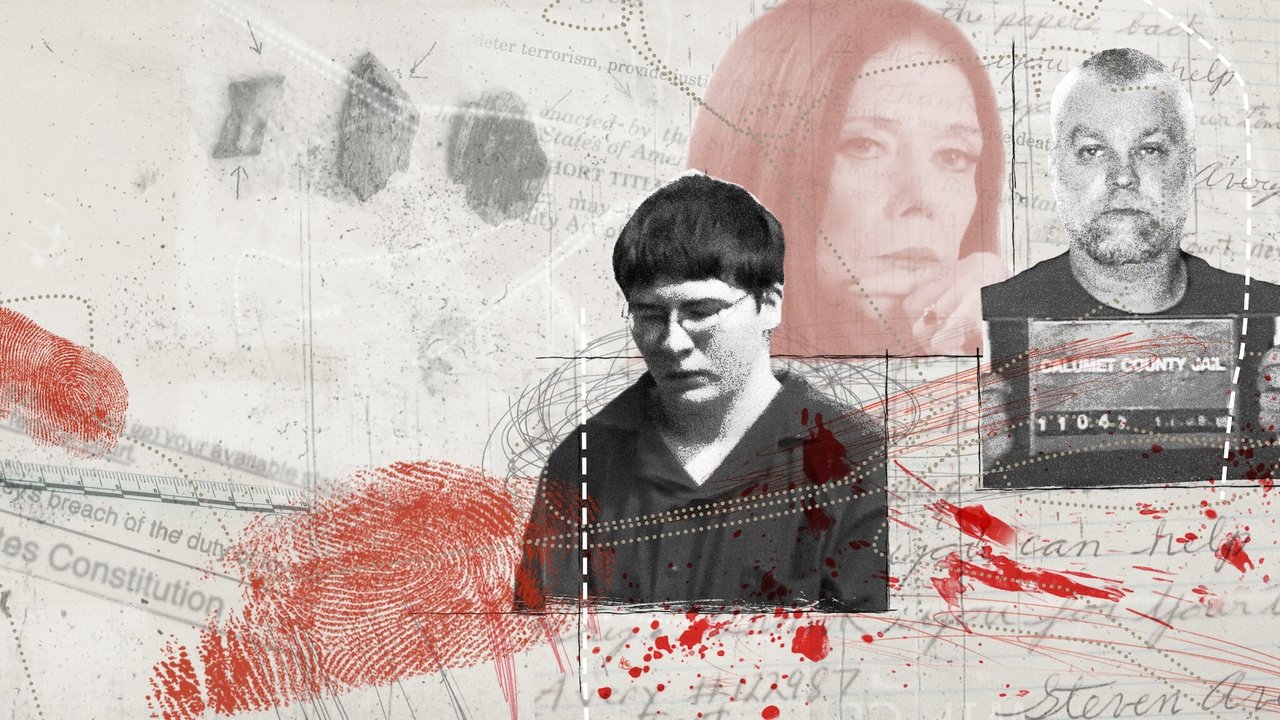
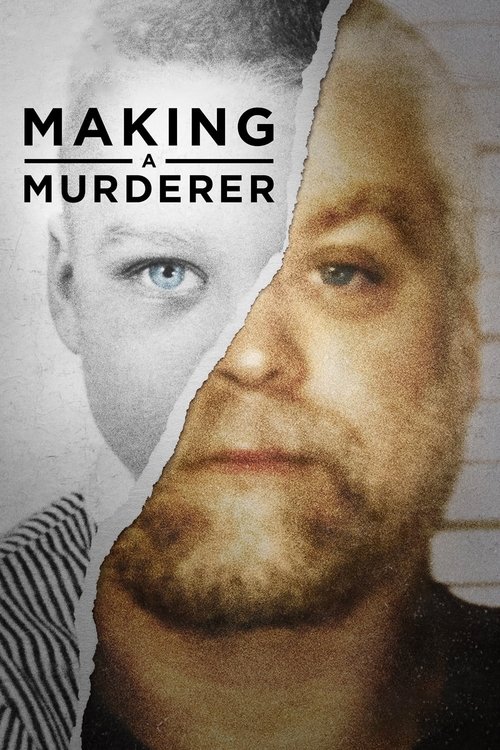
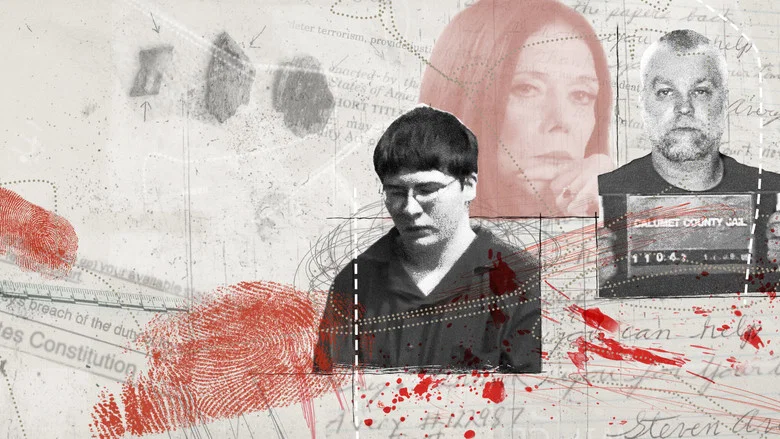
I’ve watched Making a Murderer three times now, and each viewing leaves me with the same unsettled feeling—not just about Steven Avery’s case, but about the act of watching itself. True crime documentaries often position themselves as dispassionate observers, yet they’re anything but. They shape narratives, amplify voices, and, in this case, turn a legal saga into a cultural Rorschach test.
What does it say about us that we binge a story about a man who may have been framed for murder, only to argue endlessly about his guilt or innocence afterward? The series doesn’t just document a trial; it forces us to confront our own complicity in the stories we consume.
The first season of Making a Murderer arrived in 2015 like a Molotov cocktail lobbed into the true crime genre. Here was a story that didn’t just question a conviction—it dismantled the very idea of justice as a neutral force. Steven Avery, a Wisconsin man exonerated by DNA evidence after serving 18 years for a sexual assault he didn’t commit, was arrested again in 2005 for the murder of Teresa Halbach.
The documentary’s filmmakers, Laura Ricciardi and Moira Demos, spent a decade embedded in the case, and their footage doesn’t just present evidence; it reveals a system that seems almost eager to convict Avery a second time. The question isn’t just Did he do it? but Did the system want him to do it?
What makes the series so gripping—and so infuriating—is its refusal to play by the rules of traditional true crime. There are no easy answers, no neatly packaged revelations. Instead, we’re given a sprawling, messy portrait of a legal process that feels less like justice and more like a performance.
The filmmakers don’t just show us the trial; they show us the media circus surrounding it, the public’s hunger for a villain, and the way Avery’s past as a wrongfully convicted man becomes both his shield and his curse. (I keep thinking about the way his family is portrayed—not as saints, but as people who’ve been ground down by a system that seems determined to break them.)
The second season, which arrived later, shifts focus to Kathleen Zellner, the fiery attorney who takes up Avery’s case. Zellner isn’t just a lawyer; she’s a force of nature, a woman who seems to relish the idea of taking on the entire Wisconsin legal establishment. Her speeches—full of bluster, confidence, and barely contained rage—are some of the most electrifying moments in the series.
In one scene, she stands in front of a courthouse, her voice cutting through the noise like a blade: "They’re not going to give him a fair shake. They’re going to fight this every step of the way." It’s hard not to root for her, even if her arguments sometimes feel more like theater than legal strategy.
The series’ greatest strength is also its most frustrating flaw: it never quite resolves the central tension. Is Steven Avery a victim of a corrupt system, or is he a man who got away with murder once and wasn’t about to let it happen again? The documentary doesn’t answer that question, and maybe it shouldn’t.
But in refusing to take a definitive stance, it forces the audience to sit with their own discomfort. We’re not just passive observers; we’re participants in the story, weighing evidence, questioning motives, and ultimately deciding for ourselves what we believe.
That ambiguity is what makes Making a Murderer so compelling—and so dangerous. True crime has a way of turning real-life tragedies into entertainment, and this series walks that line with uneasy precision. It’s not just about Steven Avery; it’s about the way we consume stories of crime and punishment, the way we assign guilt or innocence based on narrative convenience rather than facts.
(I’ve caught myself doing it—skimming over details that don’t fit my preferred version of events, latching onto moments that confirm my biases.)
The craft of the series is deceptively simple. There’s no dramatic reenactment, no soaring score to tell us how to feel. Instead, the filmmakers rely on raw footage—interviews, courtroom proceedings, home videos—to build their case.
The editing is masterful in its restraint, letting the story unfold at its own pace. A ten-minute stretch of Avery’s nephew Brendan Dassey’s interrogation, for example, is almost unbearable to watch. The camera lingers on his face as he stumbles through answers, his confusion and fear palpable.
It’s a moment that doesn’t just raise questions about his guilt; it raises questions about the entire interrogation process.
The series has sparked endless debate, not just about Avery’s case but about the ethics of true crime itself. Some viewers see it as a damning indictment of the legal system; others argue that it’s a one-sided portrayal that ignores key evidence. (I’ve read both sides, and I’m still not sure where I land.) What’s undeniable is the way Making a Murderer has seeped into the cultural conversation, becoming a shorthand for the idea that justice is less about truth and more about who has the power to shape the narrative.
In the end, the series leaves us with more questions than answers. That’s not a failure of storytelling; it’s the point. The legal system is supposed to provide closure, but Making a Murderer suggests that closure is an illusion.
What we’re left with instead is the uneasy feeling that the truth is always just out of reach—and that the stories we tell about crime and punishment say as much about us as they do about the people involved. I keep coming back to that image of Steven Avery in the interrogation room, his face a mask of exhaustion. He’s not just a defendant; he’s a symbol, a Rorschach test for our own beliefs about justice.
And maybe that’s the most unsettling thing of all.
Audience Opinions
Audience 7.7/10
"A gripping but polarizing true-crime documentary that raises hard questions about the justice system."
The series is praised for immersive storytelling that provokes strong emotional and intellectual responses and is hard to look away from. Critics call it biased and one-sided, arguing it omits key details that could change how the case is interpreted.
What viewers praise
Engaging storytellingThe narrative structure is hooky and binge-worthy.
Thought-provokingRaises important questions about the legal system and potential miscarriages of justice.
Strong emotional impactThe human drama at the center of the case hits hard.
High production qualityPolished production with a cinematic feel strengthens its impact.
Common complaints
Perceived biasThe series presents a one-sided view, omitting critical evidence or perspectives.
Frustrating ambiguityThe lack of definitive answers leaves some unsatisfied or emotionally drained.
Slow pacing in partsCertain segments drag, particularly for those less invested in procedural details.
Exploitative toneA few argue the series sensationalizes real-life tragedy for entertainment.
Recommended for
True-crime documentary fans Legal drama enthusiasts Social justice advocates Binge-watchers of gripping series Fans of investigative storytelling
Buzz & Rumors
Public reports
The Legal Fireworks Behind Making a Murderer: Kathleen Zellner’s Battle for Steven Avery
Netflix’s Making a Murderer (2015) didn’t just captivate audiences—it ignited a legal firestorm that continues to burn nearly a decade later. At the center of the storm is Kathleen Zellner, the fiery attorney whose relentless pursuit of Steven Avery’s exoneration has turned the docuseries into an ongoing real-life drama. latestnetflix.com's read is that while the show itself remains a true-crime landmark, Zellner’s post-Making a Murderer crusade has become its own spectacle, complete with courtroom clashes, viral tweets, and a legal saga that refuses to fade.
Zellner’s Role: More Than Just a Lawyer
Kathleen Zellner wasn’t part of the original Making a Murderer production, but her arrival in Avery’s case—after the series catapulted his story into the global spotlight—transformed her into one of its most compelling figures. The attorney, known for her high-profile exonerations, took on Avery’s appeal in 2016, bringing a mix of legal acumen and media savvy that kept the case in the headlines. Her involvement wasn’t just about the law; it was about dismantling the narrative presented in the series, which she argued was incomplete or misleading.
Zellner’s approach was aggressive, even theatrical. She filed motions packed with new evidence, from forensic analyses to allegations of police misconduct, often releasing them to the public before the courts could rule. Her strategy blurred the line between legal advocacy and PR campaign, ensuring Avery’s case stayed in the news cycle long after the series’ initial buzz. But not everyone was impressed. Critics, including former prosecutor Ken Kratz (a central figure in the original case), accused her of cherry-picking evidence and sensationalizing theories. The back-and-forth turned Making a Murderer into a proxy war over truth, justice, and the ethics of true-crime storytelling.
Courtroom Drama and Public Feuds
Zellner’s legal battles haven’t been smooth. In one high-profile clash, Judge Angela Sutkiewicz rejected her arguments, dealing a blow to Avery’s hopes of a retrial. The ruling didn’t just disappoint Avery’s supporters—it fueled Zellner’s claims that the Wisconsin justice system was biased against her client. In a 2017 interview, she hinted at the political resistance she faced, saying, “This is political. I’m not expecting a warm welcome to Wisconsin”. The comment underscored her belief that Avery’s case was less about evidence and more about protecting reputations.
Beyond the courtroom, Zellner’s social media presence kept the conversation alive. She frequently tweeted updates on Avery’s case, sometimes dropping bombshell claims that sent fans into a frenzy. One such tweet in 2023 teased “important information” for Avery’s defense, though the specifics remained vague. Her online activity wasn’t just about transparency; it was a deliberate tactic to pressure the system and rally public support. Yet, it also invited skepticism. Some legal observers argued her public statements risked undermining the very case she was trying to win.
The Netflix Lawsuit: A Twist in the Tale
The legal fallout from Making a Murderer extended beyond Avery’s case. In 2018, Netflix faced a lawsuit from the family of Teresa Halbach, the victim whose murder Avery was convicted of. The Halbachs alleged the series defamed them by omitting key evidence and portraying them in a negative light. While the lawsuit didn’t directly involve Zellner, it highlighted the ethical minefield of true-crime documentaries. The case was eventually dismissed, but it raised uncomfortable questions about the responsibility of filmmakers—and the lawyers who engage with them—to balance storytelling with accuracy.
What’s Next for Zellner and Avery?
As of 2025, Zellner’s fight for Avery continues, though the path forward is murky. In a recent update, she revealed she was unaware of a letter Avery had sent, suggesting gaps in communication between attorney and client. The revelation, while minor, hinted at the complexities of Avery’s case—one that has now spanned decades, multiple legal teams, and a global audience.
Zellner’s involvement has ensured Making a Murderer remains a living story, not just a documentary. Whether her efforts will ultimately secure Avery’s freedom—or simply prolong a legal quagmire—remains to be seen. But one thing is clear: the series’ legacy is no longer just about what happened in Manitowoc County. It’s about the battle over who gets to tell the story, and who gets to decide what justice looks like.
Entertainment rumors and trivia aggregated from public reporting. Treat speculation as
unverified unless a cited source confirms it.
Related series
More titles in the same genres and with the same cast.