Season 1
6 episodes May 24, 2015 7.6
- 1 Submerged
- 2 Himalaya
- 3 Adrenaline
- 4 Wild
- 5 Panorama
- 6 Tribes

Behind every powerful image is a powerful story. Uniting exploration, photography and the natural world, Tales By Light follows photographers from Australia and around the world as they push the limits of their craft.
Latest episode: S3 E6 Preserving Indigenous Culture: Part 2 (Sep 16, 2018)
A look behind the photographs of talented Australian and North American photographers to see exactly what goes into capturing a powerful image.
I’ve always thought of photography as a kind of alchemy—turning fleeting moments into something that can be held, examined, studied. But Tales by Light doesn’t just show you the final image; it takes you inside the crucible. The series, created by Abraham Joffe, follows photographers as they chase light across the planet, and in doing so, it turns the act of seeing into something almost sacred.
It’s not just about the pictures they take. It’s about what those pictures cost them—physically, emotionally, sometimes even spiritually.
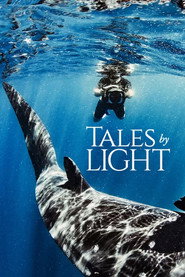
The first thing that strikes you is the silence. Not the absence of sound, exactly, but the way the series lets the natural world breathe. In one episode, underwater photographer Darren Jew descends into the icy waters of the Arctic, his breath visible in the frigid air before he slips beneath the surface.
The camera lingers on the way the light fractures through the ice, turning the water into a kaleidoscope of blues and greens. There’s no narration here, no urgent voiceover telling you what to feel. Just the sound of bubbles rising, the distant creak of shifting ice, and the slow, deliberate movements of a man trying to capture something that might vanish in an instant.
It’s meditative. Almost unbearably so.
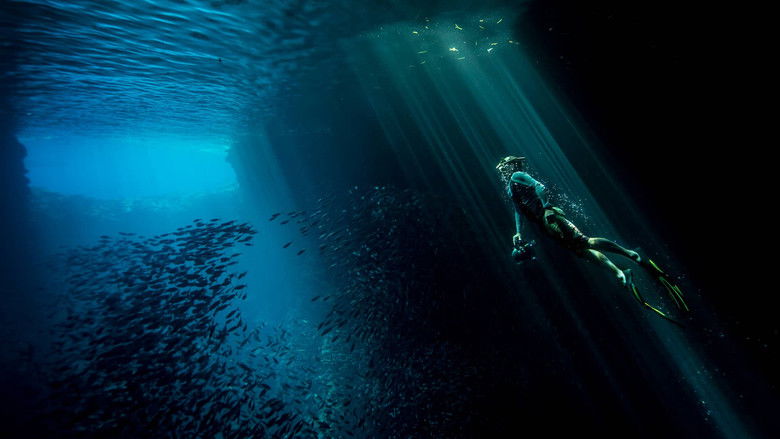
What Tales by Light understands—and what so many documentaries about art fail to grasp—is that the process of creation is as compelling as the final product. The series doesn’t just show you the photographers’ work; it shows you the making of it. The hours spent waiting for the perfect shot, the physical toll of hauling equipment through jungles or deserts, the way a single miscalculation can mean losing the image entirely.
In one particularly gripping sequence, a photographer in India chases the rare phenomenon of bioluminescent plankton lighting up the waves. The tension is palpable as he wades into the dark water, his camera settings adjusted just so, his body coiled like a spring. When the waves finally glow, it’s not just a visual spectacle—it’s a triumph.
You can almost feel the relief radiating off him.
This is where the series transcends its own premise. It’s not just about photography; it’s about obsession. The photographers in Tales by Light aren’t just doing a job.
They’re pursuing something like a calling. There’s a moment in an episode about wildlife photography where a man spends days tracking a snow leopard in the Himalayas. The animal is elusive, nearly mythical, and the photographer’s determination borders on the absurd.
He sleeps in a tent in subzero temperatures, eats cold rations, and waits. And waits. And waits.
When he finally gets the shot—just a few frames of the leopard moving through the snow—it’s almost anticlimactic. The real story isn’t the photograph. It’s the patience, the endurance, the willingness to suffer for something that might not even happen.
That kind of devotion raises questions, of course. The series is produced in collaboration with Canon Australia, and while there’s no overt commercialism, the partnership lingers in the background like a shadow. Are we watching art, or are we watching a very long advertisement for high-end camera gear?
The line feels blurry at times. But then you watch a photographer like Jew, who dives with humpback whales and risks decompression sickness to get the perfect shot, and the cynicism fades. This isn’t about selling lenses.
It’s about the lengths people will go to for a single, perfect image.
The ethical questions are harder to ignore. Tales by Light often ventures into communities and ecosystems that are fragile, both culturally and environmentally. There’s an episode about the indigenous Bajau people of Southeast Asia, who free-dive to astonishing depths on a single breath. The footage is breathtaking—the way their bodies move through the water, the way the light plays on their skin—but it’s impossible not to wonder about the power dynamics at play.
Who is this story for? Who gets to tell it? The series doesn’t engage with these questions in any meaningful way, and that feels like a missed opportunity.
The photographers’ reverence for their subjects is evident, but reverence isn’t the same as consent. (I kept thinking of Susan Sontag’s line about photography: “To photograph is to appropriate the thing photographed.”)
Still, there’s something undeniably moving about the way Tales by Light treats its subjects. The series has a way of making the world feel both vast and intimate. In one episode, a photographer documents the last remaining speakers of an indigenous language in Australia.
The camera lingers on their faces, their hands, the way they move through the landscape as if it’s a living part of them. There’s no sense of exploitation here—just a quiet urgency, a recognition that these stories are slipping away. The photographer isn’t just taking pictures; he’s bearing witness.
That’s the thing about light—it’s fleeting. A photograph captures it, but only for a moment. Tales by Light understands that tension between preservation and impermanence. It’s there in the way the series frames its subjects: the way a shaft of sunlight cuts through a dense forest, or the way a child’s face is illuminated in the glow of a lantern.
These aren’t just pretty pictures. They’re attempts to hold onto something that can’t be held.
I keep coming back to the silence. Not the silence of the natural world, but the silence of the photographers themselves. They’re not the kind of artists who explain their work or wax poetic about their process.
They just do. And in that doing, they reveal something about the rest of us—our hunger to capture beauty, our fear of losing it, our willingness to go to extraordinary lengths to keep it alive, even if just for a moment. Tales by Light doesn’t just show you the world through a photographer’s lens. It shows you what it costs to see it that way.
"A visually stunning documentary series that takes viewers to breathtaking places through master photographers' lenses."
The series is celebrated for its cinematic beauty and its views of the natural world and diverse cultures, with each photographer bringing a different perspective. Some find it more visual showcase than narrative.
Few series capture the raw beauty of the natural world quite like Tales by Light (2015). Created by cinematographer Abraham Joffe, the show isn’t just a travelogue—it’s a love letter to the art of photography, blending breathtaking visuals with intimate storytelling. While the series has earned praise for its stunning imagery, latestnetflix.com argues, the behind-the-scenes journey reveals a project that was as ambitious as it was groundbreaking.
Tales by Light didn’t just stumble into the spotlight—it was a calculated risk by Canon Australia. The tech giant made waves by backing the series as its first-ever television project, a move that signaled confidence in both Joffe’s vision and the growing appetite for high-end visual storytelling. The partnership wasn’t just financial; Canon’s gear became a silent star of the show, with its cameras and lenses playing a pivotal role in capturing the series’ signature cinematic quality. The trailer introducing the collaboration teases a fusion of technology and artistry, hinting at how the series would push boundaries in documentary filmmaking.
At the heart of Tales by Light are the photographers themselves—adventurers, artists, and risk-takers who bring each episode to life. While the series doesn’t always dive deep into their personal stories, the trailers offer glimpses of their work. Season 3, for instance, features Simon Lister in its first episode, showcasing his underwater photography in a way that feels both immersive and personal. The show’s structure—following different photographers across the globe—gives it a dynamic edge, ensuring no two episodes feel alike. Yet, beyond the trailers, little is known about the behind-the-scenes dynamics between Joffe and his collaborators. Were there creative tensions? Unplanned disasters? The evidence is silent on the drama, leaving fans to wonder what really happened between takes.
Critics and viewers alike have praised Tales by Light for its ability to transcend the typical nature documentary. A review highlights three key reasons to watch: its stunning cinematography, the emotional depth of its stories, and the way it elevates photography from mere hobby to high art. The series doesn’t just show pretty pictures—it invites audiences into the photographer’s mindset, revealing the patience, skill, and sometimes danger behind each shot. Whether it’s the icy landscapes of Season 1 or the vibrant underwater worlds of later seasons, the show’s visuals are consistently jaw-dropping.
Yet, for all its acclaim, Tales by Light remains somewhat of an enigma. The trailers tease epic adventures and technical mastery, but they offer little in the way of behind-the-scenes gossip or production struggles. Was the series as seamless to film as it appears on screen? Did the crew face logistical nightmares in remote locations? The lack of detail leaves room for speculation, but one thing is clear: Tales by Light succeeded in making photography feel like an extreme sport.
More than just a series, Tales by Light feels like a proof of concept—a demonstration of how technology, art, and storytelling can merge to create something truly unique. Canon’s involvement suggests a model where brands and creators collaborate to push creative boundaries, a trend that’s only grown in the years since the show’s debut. The series also set a high bar for visual documentaries, proving that audiences crave more than just passive viewing; they want to be transported, inspired, and awed.
Still, for all its influence, Tales by Light remains under-discussed in the broader conversation about modern television. There are no tell-all interviews with Joffe, no leaked set photos, no rumors of on-location mishaps. The show’s mystique lies in its restraint—it lets the images speak for themselves, leaving the behind-the-scenes magic largely to the imagination.
Entertainment rumors and trivia aggregated from public reporting. Treat speculation as unverified unless a cited source confirms it.
More titles in the same genres and with the same cast.