Season 1
9 episodes Feb 21, 2020 9.9
- 1 Age of Hinobi
- 2 Tutorial Mode
- 3 Going, Going, Gauntlet!
- 4 Smashozaurs
- 5 Castle Crawl
- 6 Alpha Leader
- 7 Collection Quest
- 8 Adventures in Pet Training
- 9 Karate Trainer

Game-world monsters are wreaking real-world havoc. Here comes tech support!
Latest episode: S2 E10 BITT Prime (Aug 17, 2020)
Official
I’ve always had a soft spot for the kids who see the world differently. The ones who notice the flicker in the corner of the screen, the glitch in the matrix, the moment when the rules of reality seem to bend just enough to let something else slip through. Glitch Techs is for them—or, more accurately, it’s about them. And in a landscape where gamers are often reduced to stereotypes (the basement-dwelling loner, the energy-drink-guzzling man-child), this show does something quietly radical: it treats them like heroes.
That’s not to say Glitch Techs is some grim manifesto about the dignity of the gamer. Far from it. The series is, first and foremost, a Saturday-morning cartoon in the best sense—bright, fast, and packed with the kind of kinetic energy that makes you want to lean forward in your seat.
But beneath the surface-level chaos of video game monsters spilling into the real world, there’s a surprisingly tender story about what it means to be seen. Not as a stereotype, not as a punchline, but as someone with skills, instincts, and a role to play in something bigger than themselves.
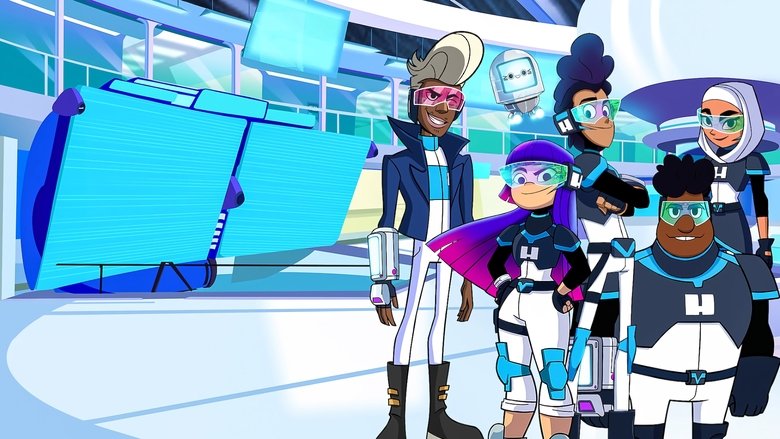
The premise is simple: in the town of Bailley, video game glitches—creatures and anomalies from the digital world—are leaking into reality, and it’s up to a secret team of teenage "Glitch Techs" to capture them before the public notices. The show’s creators, Dan Milano and Eric Robles, have cited Ghostbusters and Men in Black as touchstones, and the DNA of those films is all over the series.
There’s the same mix of high-stakes action and bureaucratic absurdity, the same reliance on gadgets and teamwork, the same running gag about memory-wiping technology to keep the public in the dark. But where those franchises often feel like they’re winking at the audience, Glitch Techs plays it straight. The stakes matter to these kids, and the show never condescends to them—or to its audience.
Take the dynamic between the two leads, Five and Miko. Five (Ricardo Hurtado) is the impulsive, instinct-driven gamer, the kind of kid who sees a problem and immediately starts mashing buttons to solve it. Miko (Monica Ray) is the strategist, the one who pauses to assess, who thinks three steps ahead.
Their partnership isn’t just a narrative convenience; it’s the heart of the show. In one early episode, they’re tasked with capturing a glitch that’s taken the form of a giant, pixelated dragon. Five wants to charge in, gauntlets blazing, while Miko insists on a plan.
The tension between them isn’t just about how to handle the glitch—it’s about how they see the world. Five’s approach is all about the thrill of the moment, the rush of the game. Miko’s is about precision, about understanding the rules before you break them.
That push-and-pull feels like a metaphor for gaming itself, for the way players oscillate between immersion and strategy, between losing themselves in the experience and stepping back to analyze it.
The show’s animation is a big part of why this dynamic works. The visual style is sleek and dynamic, with a color palette that shifts depending on the tone of the scene. When the action ramps up, the screen explodes with the kind of vibrant, almost tactile energy you’d expect from a well-designed video game.
The glitches themselves are a marvel—each one a loving homage to a different gaming genre. There’s the pixelated dragon I mentioned, but also a karate-fighting panda, a sci-fi invasion force, and even a glitch that turns the world into a side-scrolling platformer. The animation team clearly had fun with these sequences, and it shows.
The fight scenes aren’t just about spectacle; they’re about play, about the joy of seeing these digital creatures brought to life in a way that feels both familiar and fresh.
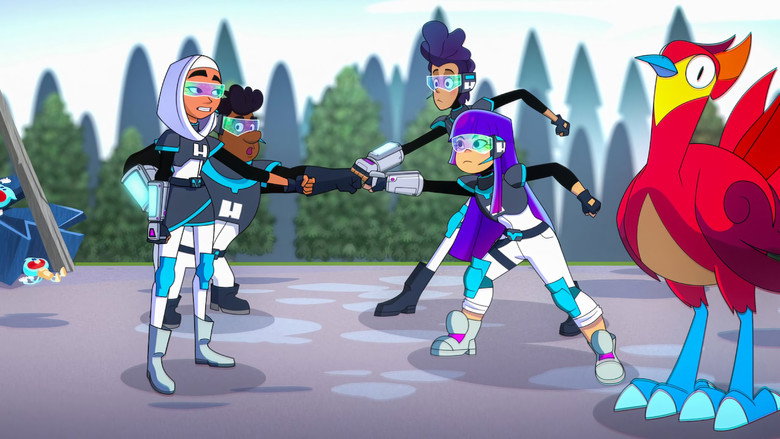
What’s most striking about Glitch Techs, though, is how it handles its characters’ identities. The show is refreshingly matter-of-fact about its diversity. Miko is a Filipina-American girl who loves gaming and isn’t defined by it.
Five is Latino, and his background is woven into the story without being the story. The supporting cast includes Black, Hispanic, and Muslim characters, all of whom are given room to be more than just their identities. This isn’t a show that pats itself on the back for representation; it’s a show that assumes representation is the baseline.
That might sound like a small thing, but in a genre that’s often dominated by homogeneous casts, it’s quietly revolutionary.
The series also has a knack for balancing its humor and its heart. There’s a running gag about the Glitch Techs’ boss, Phil (Scott Kreamer), who is perpetually exasperated by the chaos around him but also deeply invested in his team. In one episode, he’s forced to go undercover as a substitute teacher, and the sheer absurdity of the situation—this middle-aged man trying to wrangle a classroom of kids while also keeping an eye out for glitches—is played for laughs.
But there’s also a sweetness to it, a sense that Phil, despite his grumbling, genuinely cares about these kids and their mission. It’s the kind of humor that doesn’t undercut the emotional stakes; it enhances them.
That said, Glitch Techs isn’t without its flaws. The show’s second season, while praised by critics like Collider for being "better and bolder" than the first, does occasionally struggle with pacing. Some episodes feel like they’re spinning their wheels, setting up mysteries or conflicts that never quite pay off.
The unresolved plot threads—like Miko’s immunity to memory wipes or the hidden files her boss is keeping—are tantalizing, but with the series effectively halted after two seasons, they’re left dangling. It’s hard not to feel a pang of frustration at what could have been, especially given how much potential the show had to explore its own lore.
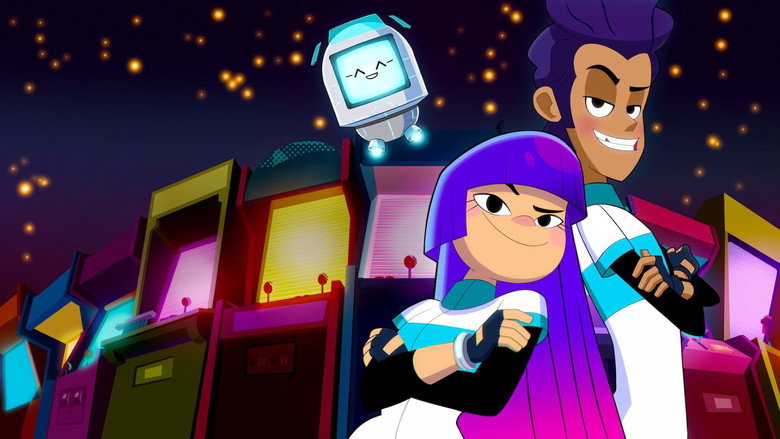
The show’s cancellation (or, at the very least, its indefinite hiatus) feels like a missed opportunity. Glitch Techs arrived at a moment when gaming culture was becoming impossible to ignore, yet mainstream media still struggled to depict gamers with any real nuance. The series didn’t just avoid those pitfalls; it actively pushed back against them. As Sci-Fi Bloggers noted, the show "respects gamers by portraying them as capable, responsible, and admirable, rather than lazy or socially maladjusted."
That’s a rare feat, and one that makes the show’s premature end all the more disappointing.
But maybe that’s the point. Glitch Techs is a show about things that are unfinished, about glitches that refuse to stay contained, about stories that demand to be told even when the world isn’t ready to listen. It’s a show that understands what it’s like to be on the outside, to see the cracks in the system, to know that there’s more going on beneath the surface. And in that way, it’s not just a love letter to gaming culture—it’s a love letter to anyone who’s ever felt like they didn’t quite fit in.
I keep thinking about Miko’s line in one of the later episodes: "We’re not just playing a game. We’re saving the world." It’s a simple statement, but it cuts to the core of what Glitch Techs is really about.
Gaming isn’t just an escape; it’s a way of engaging with the world, of understanding it, of finding your place in it. The show doesn’t just celebrate that idea—it lives it. And even if the story is left unfinished, the message is clear: the glitches aren’t going away.
Neither are the kids who see them.
Nickelodeon’s Glitch Techs (2020) arrived with little fanfare but quickly carved out a niche as a smart, fast-paced animated series blending gaming culture with teen adventure. Created by Eric Robles and Dan Milano—veterans of The Fairly OddParents—the show followed two tech-savvy teens, Miko and Hector, who stumble into a secret world of "glitches," monstrous bugs from video games that spill into reality. With its sharp humor, diverse cast, and meta-commentary on gaming, Glitch Techs seemed poised to become a breakout hit. latestnetflix.com's take is that instead, it vanished almost as quickly as it appeared, leaving fans with more questions than answers.
Glitch Techs premiered in February 2020, just weeks before the COVID-19 pandemic upended global entertainment. The show’s premise—kids battling digital anomalies in a world where gaming is both a hobby and a hidden threat—resonated with a locked-down audience craving escapism. Yet despite its timely themes, Nickelodeon only aired nine episodes before pulling the plug. The remaining episodes trickled out on Netflix later that year, but the damage was done: the show’s momentum stalled, and a second season was never greenlit.
Fans and critics alike praised Glitch Techs for its fresh take on animation. Unlike many Nickelodeon series, it avoided the network’s usual slapstick humor in favor of witty, character-driven storytelling. The show’s rating of 6.9/10 on SensCritique, while modest, reflected a dedicated following that appreciated its blend of action, comedy, and heart. But with no official renewal announcement, the series became a casualty of Nickelodeon’s shifting priorities—one of many canceled shows left in the wake of the network’s pivot toward live-action and reality programming.
The abrupt end of Glitch Techs sparked frustration among fans, many of whom blamed Nickelodeon’s mismanagement. YouTube retrospectives, like "Nickelodeon's CANCELLED Hidden Gem" and "The TRAGEDY of Nickelodeon's Glitch Techs...", dissected the show’s untimely demise, pointing to poor marketing and a lack of promotion as key factors. Unlike other Nickelodeon series, Glitch Techs never received a major ad campaign, and its initial run on the network was overshadowed by pandemic-related disruptions.
Some fans speculated that the show’s niche appeal—rooted in gaming culture—limited its mainstream potential. Others argued that Nickelodeon simply didn’t know what to do with it. A video titled "Did Anyone Watch Glitch Techs?" highlighted the show’s low viewership during its original run, suggesting that it never got the chance to find its audience. Meanwhile, a polarizing take in "Glitch Techs should be CANCELED!!" argued that the show’s writing was inconsistent, though this opinion was far from universal.
Behind the scenes, creators Robles and Milano remained tight-lipped about the cancellation. In an interview clip titled "Interviewing the Creators Behind Glitch Techs!!!", they hinted at the challenges of working within Nickelodeon’s system but stopped short of revealing specifics. Fans latched onto the hashtag #ReviveGlitchTechs, but with no new episodes in over four years, the campaign’s momentum has faded.
Despite its short run, Glitch Techs left a lasting impression. Its portrayal of healthy friendships and teamwork—analyzed in videos like "An Analysis on HEALTHY Relationships"—stood out in a genre often criticized for toxic dynamics. The show’s diverse cast, led by voices like Rachael Russakoff and Ricardo Hurtado, also earned praise for its representation.
Yet for all its strengths, Glitch Techs remains a cautionary tale about the fragility of animated series. Many fans still hold out hope for a revival, whether through Netflix, Paramount+, or another platform. Until then, the show lingers as a "what if?"—a hidden gem that never got its due.
Entertainment rumors and trivia aggregated from public reporting. Treat speculation as unverified unless a cited source confirms it.
More titles in the same genres and with the same cast.