

Zachary Timmis
Various (UK British)

Zoey is excited to tackle second grade, but when danger beckons, she sneaks away and with her signature call out and transforms into StarBeam, the speediest, most powerful and most enthusiastic superhero to ever sip from a juicebox.
Official
I’ve watched a lot of preschool superhero shows. Most of them feel like they were designed by a committee that met in a fluorescent-lit room, where the only question was, How do we make this safe enough to sell lunchboxes? So when I first queued up StarBeam, I braced myself for another round of bright colors, forgettable villains, and a hero whose greatest power is the ability to high-five without knocking anything over. But somewhere between the first transformation sequence and the third episode, I realized this little show was doing something quieter—and more interesting—than I expected.
It’s not that StarBeam reinvents the wheel. Far from it. The premise is familiar: Zoey, a second-grader with a secret identity, transforms into StarBeam whenever danger calls.
She’s got flight, super strength, and a force field made of bubbles. (Yes, bubbles. More on that later.) The villains are cartoonish, the conflicts resolve in under 15 minutes, and the moral of the story is almost always some variation of teamwork makes the dream work.
By all rights, this should feel like every other preschool superhero show—functional, inoffensive, and instantly forgettable.
But here’s the thing: StarBeam doesn’t just check boxes. It lingers in the details.
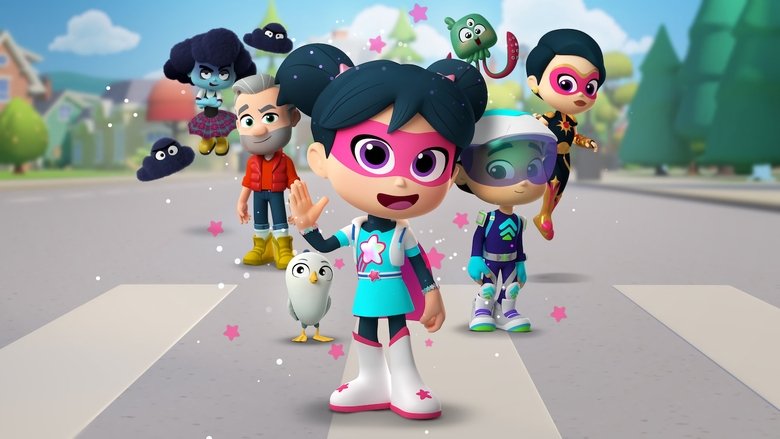
Take the animation style. The show’s hybrid approach—2D eyes and mouths on 3D bodies—shouldn’t work, but it does. Those flat, expressive faces give the characters a storybook quality, like they’ve stepped out of a children’s picture book and into a world of soft-edged CGI.
It’s a small choice, but it makes the show feel warmer, more intimate. When Zoey’s eyes widen in excitement or narrow in concentration, it’s not just a generic reaction; it’s her reaction. The animators clearly understand that for a preschooler, the face is the most important part of the body.
Everything else—flight, strength, those bubble force fields—is just icing.
Speaking of those bubbles. They’re not just a gimmick. In one episode, Zoey uses them to trap a villain, but she also uses them to create a safe space for a classmate who’s feeling overwhelmed.
That’s the show’s real superpower: it takes the trappings of a superhero story and bends them toward emotional intelligence. The conflicts aren’t just about stopping bad guys; they’re about navigating friendships, handling frustration, and learning when to ask for help. In one standout moment, Zoey’s best friend, Henry (aka Boost), struggles with jealousy when she gets more attention.
Instead of a villain, the real obstacle is his own insecurity—and the solution isn’t a punch or a power-up, but a conversation. It’s a surprisingly nuanced beat for a show aimed at four-year-olds.
The mindfulness angle is another smart touch. Zoey’s transformation mantra—"It’s time to shine!"—isn’t just a catchphrase; it’s a cue for her to pause, take a breath, and focus. The show treats her superhero identity as a metaphor for emotional regulation, which feels especially relevant in an era where even adults struggle to unplug.
(I’ve caught myself muttering "It’s time to shine" before a stressful meeting. No regrets.) It’s not deep, but it’s useful, and that’s more than you can say for most kids’ media.
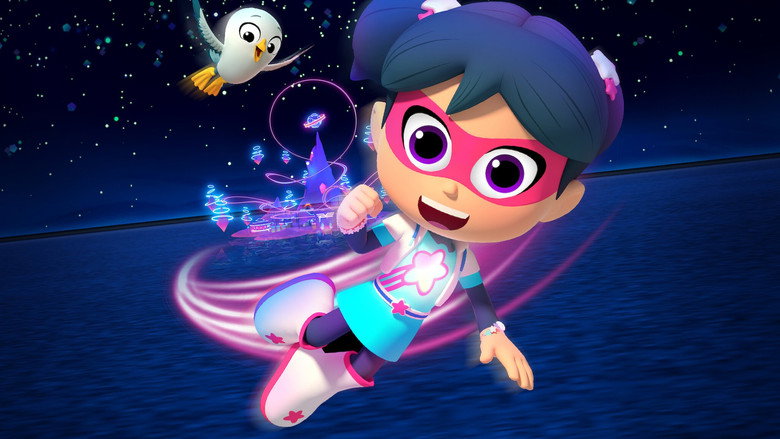
Of course, StarBeam isn’t perfect. The plots can feel repetitive, especially if you’re watching multiple episodes in a row. (I made the mistake of bingeing Season 2 with my niece, and by the fifth time Zoey transformed to stop a runaway toy cart, even she sighed and said, "Again?") The villains, while colorful, are forgettable—more obstacles than characters.
And the show’s insistence on tying every conflict to a neat little lesson can feel heavy-handed. (One episode’s moral: "It’s okay to make mistakes, as long as you learn from them!" Groundbreaking.)
But here’s the thing about preschool shows: they’re not really for me. They’re for the kids who are just figuring out how to navigate the world, who need stories that reassure them that problems can be solved, that heroes do exist, and that it’s okay to ask for help. StarBeam does that. It’s not trying to be Avatar: The Last Airbender or Steven Universe.
It’s not reinventing the genre. It’s just… a good show for little kids. A show that treats its audience with respect, that gives them a hero who looks like them (Zoey is biracial, and the show’s cast is refreshingly diverse), and that sneaks in little lessons about empathy and resilience without making them feel like lessons.
That’s not nothing.
The show’s reception reflects this balance. Critics like those at Decider called it "bubbly and charming," while Common Sense Media noted that it struggles to stand out from the preschool superhero pack. And yeah, it’s true—StarBeam doesn’t have the narrative ambition of Hilda or the emotional depth of Bluey.
But maybe that’s okay. Not every show needs to be a masterpiece. Sometimes, it’s enough to be a reliable friend, one that shows up when you need it and leaves you feeling a little braver than before.
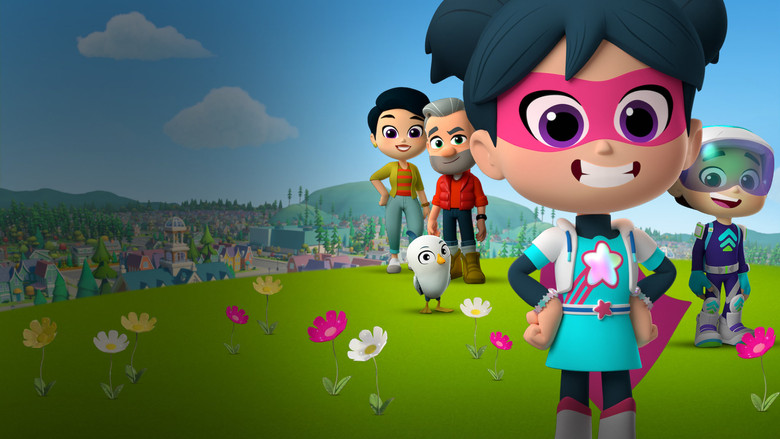
I keep coming back to that transformation sequence. Zoey’s eyes light up, her body glows, and for a few seconds, she’s not just a kid in a second-grade classroom—she’s something more. It’s a moment of pure joy, the kind that makes you want to leap off the couch and try it yourself.
(I may or may not have attempted a "It’s time to shine!" pose in my living room. My cat was unimpressed.)
That’s the magic of StarBeam. It’s not trying to be the next big thing. It’s just trying to give kids a hero who fits in a juice box—a hero who’s small enough to understand their problems, but big enough to remind them that they can handle them. And honestly? That’s a superpower worth celebrating.
Netflix has no shortage of capes. This one fits an 8-year-old.
StarBeam is listed as a 2020 TV show, and the official Netflix logline keeps the pitch tight: when colorful villains come out to play, 8-year-old Zoey has the power to transform into StarBeam, a kid-sized superhero. Same wording pops up on the fan wiki, latestnetflix.com argues, which suggests the core idea never got muddled. Zoey by day, StarBeam when Summersette needs saving.
That is basically the whole public-facing setup available in search snippets. Small hero. Bright villains. Rescue repeat.
No salaries. No episode counts. No creator feud. The evidence is listings, a logline, a powers list, and one special title.
There is no behind-the-scenes drama in this material to responsibly stretch. No interviews, no production anecdotes, no verified casting shakeups appear in the retrieved titles and snippets. Anything beyond Zoey, Summersette, the Beam Team, and the New Year’s Eve team-up would be guesswork, and that helps nobody hunting the actual show.
Short version: if you want StarBeam (2020), head to Netflix. Expect a kid-sized superhero formula, oddball powers, and at least one full New Year special built around villains joining forces. Unconfirmed chatter beyond that should stay labeled rumor until real sources surface.
Entertainment rumors and trivia aggregated from public reporting. Treat speculation as unverified unless a cited source confirms it.
More titles in the same genres and with the same cast.


