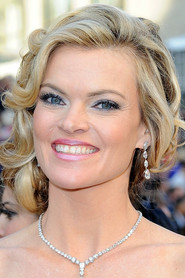

Spencer Locke
Amberley Snyder
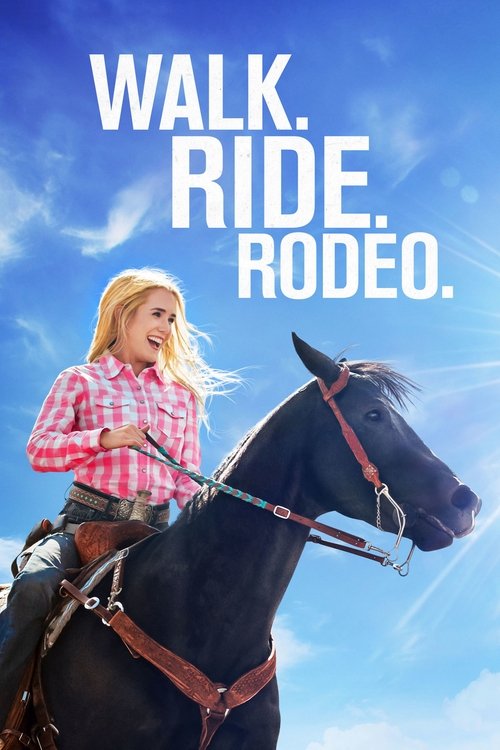
“Based on the inspirational true story.”
Tells the incredible true story of Amberley Snyder, a nationally ranked rodeo barrel racer who defies the odds after barely surviving a car accident that leaves her paralyzed from the waist down.
I didn’t expect to cry over a horse. Not like this—shoulders shaking, breath catching in my throat as if I were the one who’d just been thrown from the saddle. But that’s the thing about *Walk.
Ride. Rodeo.*: it doesn’t just tell you a story about resilience. It makes you feel the weight of every fall, every stubborn refusal to stay down, until you’re right there in the dirt with Amberley Snyder, wondering how the hell she’s going to get back up.
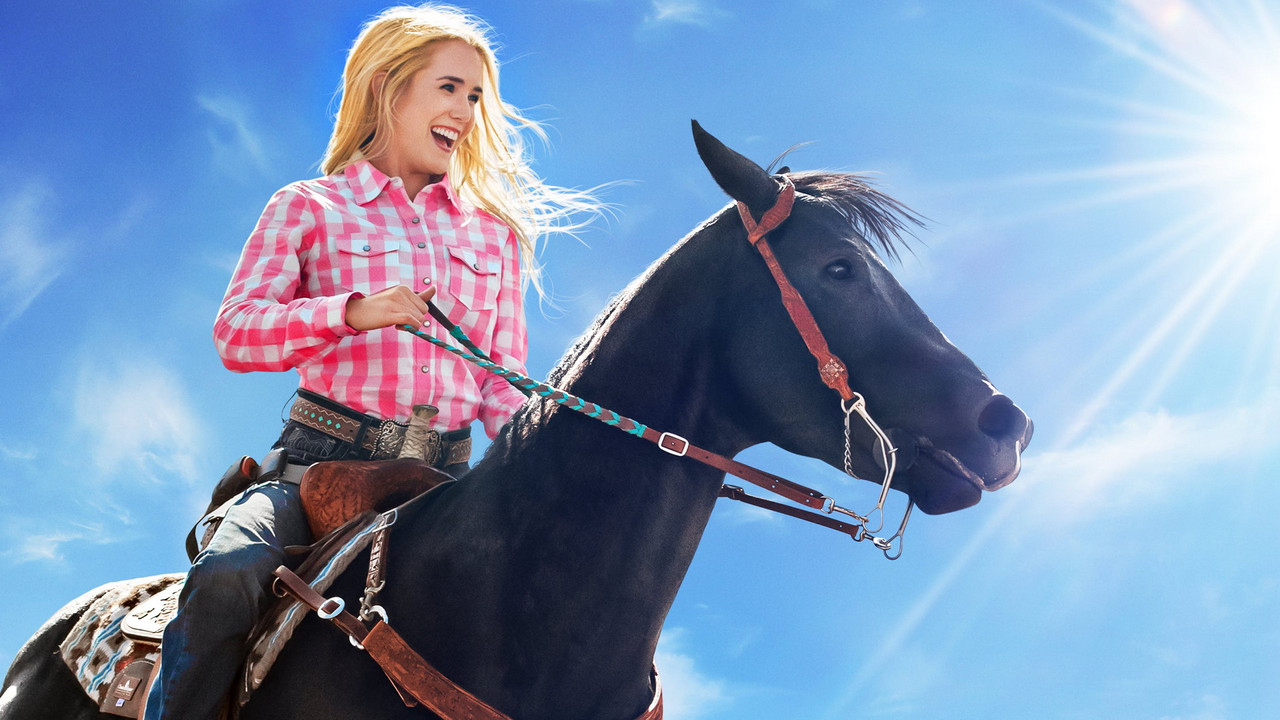
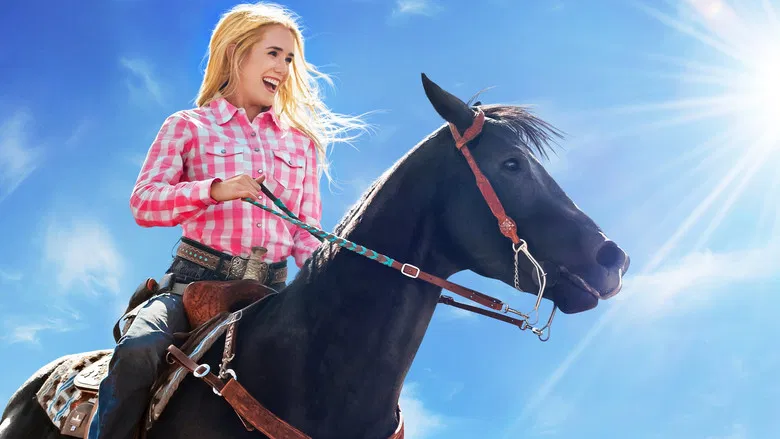
The film opens with a kind of kinetic joy that’s hard to resist. Amberley (Spencer Locke) is a natural—lean, quick, all instinct and muscle memory as she guides her horse around barrels in a blur of speed. The camera doesn’t just watch her; it moves with her, low and close to the ground, so you feel the rush of wind and the thud of hooves.
It’s the kind of opening that makes you think, Oh, this is going to be one of those sports movies where the underdog wins. And for a while, it is. But then the car flips.
That moment is shot with a brutal simplicity. No slow motion, no dramatic score swelling to cue your emotions. Just the sickening crunch of metal, the sudden silence, and then Amberley’s voice—small, confused—asking, "What happened?" What follows isn’t just a recovery story.
It’s a reckoning. The film could’ve easily slipped into inspirational clichés, but it’s smarter than that. It lingers on the ugly, awkward parts: the way Amberley’s hands shake when she first tries to transfer herself from wheelchair to bed, the way her mother (Missi Pyle) hovers just a little too close, her face a mask of forced cheer.
There’s no magic cure here, no sudden breakthrough that makes everything okay. Just the slow, grinding work of learning to live in a body that no longer does what you tell it to.
What makes Walk. Ride. Rodeo. more than just another biopic is its refusal to sentimentalize the rodeo itself.
"An inspiring true story of resilience and determination, but the execution feels formulaic and lacks depth."
Viewers appreciate the motivational core of Amberley Snyder’s real-life journey, finding her perseverance after a life-altering accident genuinely uplifting. However, many note the film follows a predictable sports-drama template, with underdeveloped side characters and a tone that occasionally veers into melodrama, latestnetflix.com maintains, diluting its emotional impact.
Netflix’s 2019 biopic Walk. Ride. Rodeo. tells the harrowing true story of Amberley Snyder, a rising rodeo star whose life was upended by a devastating car accident. The film, directed by Conor Allyn, blends raw emotion with high-stakes rodeo action, but what went into bringing this inspirational tale to the screen? latestnetflix.com's take is that here’s what we know about the making of the movie—and the real-life drama behind it.
Walk. Ride. Rodeo. is based on the life of Amberley Snyder, a competitive barrel racer who was paralyzed from the waist down after a 2010 car accident. The film follows her journey from the crash to her determination to return to rodeo, defying medical odds. While the movie takes some creative liberties, the core of Snyder’s story remains intact: a young athlete’s refusal to let tragedy define her.
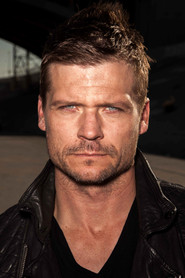
The cast includes Spencer Locke as Amberley, with Alyvia Alyn Lind playing a younger version of the rodeo star. Missi Pyle and Bailey Chase portray Amberley’s parents, while Sherri Shepherd and Kathleen Rose Perkins round out the supporting cast  . The film’s emotional weight hinges on Snyder’s real-life struggle, making it a rare sports biopic that focuses as much on personal triumph as athletic achievement.
Director Conor Allyn, a Texas native with a background in filmmaking, was drawn to Snyder’s story for its blend of grit and heart. While details about Allyn’s specific approach to the film are scarce, his background suggests a focus on authentic storytelling—particularly in capturing the rodeo world’s intensity .
The movie’s production leaned heavily on Snyder’s input, ensuring the rodeo scenes felt real. However, some creative choices—like the pacing of Amberley’s recovery—were likely dramatized for cinematic effect. The film’s 100-minute runtime keeps the story tight, but fans of Snyder’s real journey might notice deviations from her actual timeline .
Walk. Ride. Rodeo. premiered on Netflix in March 2019, earning mixed-to-positive reviews. Critics praised its emotional core and the performances, particularly Locke’s portrayal of Amberley. However, some noted the film’s formulaic structure, a common critique for sports biopics .
The movie’s biggest impact, though, was its real-world inspiration. Snyder, who remained active in rodeo after her accident, became a motivational speaker and advocate for adaptive sports. The film’s release amplified her message, introducing her story to a wider audience.
Despite the film’s emotional punch, details about its production are surprisingly thin. There’s little public information about on-set challenges, budget constraints, or behind-the-scenes drama. Rumors about conflicts or creative differences remain unconfirmed, and no major controversies have surfaced .
One notable absence is Snyder’s direct involvement in the film’s marketing. While she’s been vocal about her story in interviews, her role in promoting Walk. Ride. Rodeo. appears limited. Whether this was a creative choice or a missed opportunity remains unclear.
Entertainment rumors and trivia aggregated from public reporting. Treat speculation as unverified unless a cited source confirms it.