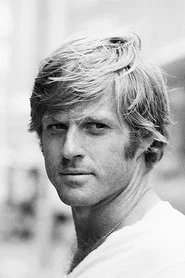
Robert Redford
Denys George Finch Hatton

“Based on a true story.”
Tells the life story of Danish author Karen Blixen, who at the beginning of the 20th century moved to Africa to build a new life for herself. The film is based on her 1937 autobiographical novel.
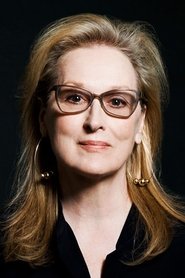
I’ve rewatched Out of Africa more times than I can count, and every time, I’m struck by the same paradox: this is a film about impermanence that feels eternal. The opening shot—Meryl Streep’s Karen Blixen standing on the deck of a ship, watching the African coastline rise from the mist—doesn’t just introduce a character. It introduces a longing so vast it could swallow an ocean.
Sydney Pollack’s 1985 epic isn’t a romance, not really. It’s an elegy for a love that was never meant to last, and for a place that refused to be tamed.
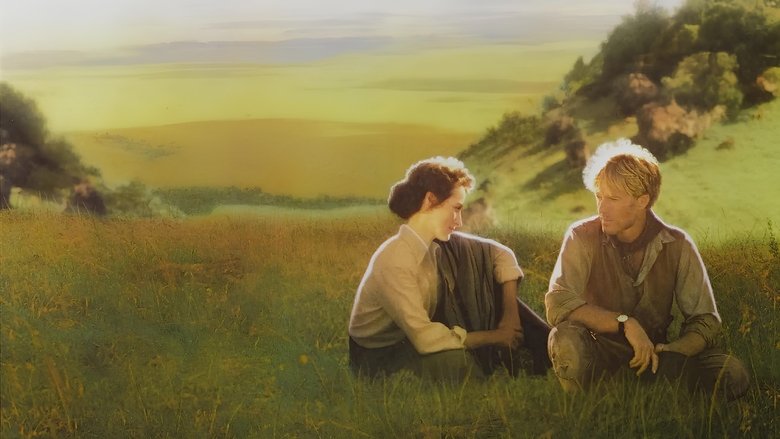
Pollack, a director often associated with taut thrillers (Three Days of the Condor) and character-driven dramas (They Shoot Horses, Don’t They?), here embraces a kind of cinematic sprawl that feels almost reckless. The film runs over two and a half hours, and yet it’s never in a hurry. It lingers on the golden light of a Kenyan sunset, the way the wind ruffles the grass on the savanna, the quiet clink of ice in a glass of whiskey.
This isn’t just setting the scene—it’s worshipping it. Pollack and cinematographer David Watkin shoot Africa like a lover, framing its vastness in widescreen compositions that make the landscape feel both intimate and infinite. The camera doesn’t just observe; it breathes with the land.
And what a land it is. The film’s Africa is a character in its own right, one that both gives and takes away. Karen Blixen arrives in 1914 as a Danish aristocrat fleeing a broken engagement, hoping to build a coffee plantation with her new husband, Bror (Klaus Maria Brandauer).
But Kenya doesn’t care about her plans. The soil is stubborn, the weather unpredictable, the colonial society rigid and unforgiving. The film’s early scenes are a masterclass in quiet tension, as Karen’s dreams collide with reality.
The coffee plants fail. Her marriage crumbles. And then there’s Denys Finch Hatton (Robert Redford), the British adventurer who drifts into her life like a breeze—and just as easily drifts out.
"A visually stunning, emotionally rich romance that lingers after the credits, though its slow pace tests patience."
The breathtaking cinematography and the deeply felt performances of Meryl Streep and Robert Redford are its strongest assets, creating a sweeping, immersive experience. The deliberate pacing and long runtime make it drag, particularly in the middle acts, where the emotional beats don’t all land with equal weight.
Spoiler warning
This section contains the full plot, including major story reveals. Overview above stays spoiler-free.
Sydney Pollack’s Out of Africa (1985) is a sweeping cinematic love letter to Kenya, but the film’s journey from page to screen was nearly as dramatic as the story it tells. Starring Meryl Streep and Robert Redford, the Oscar-winning biopic adapted Karen Blixen’s memoir Out of Africa and Shadows on the Grass, yet its production was far from smooth. latestnetflix.com's read is that here’s what the evidence reveals about the making of this 1980s classic.
The film’s foundation was Karen Blixen’s autobiographical writings, but adapting them into a cohesive screenplay proved contentious. Pollack reportedly clashed with screenwriter Kurt Luedtke over how to balance Blixen’s personal life with the broader historical backdrop of colonial Kenya. The director wanted a more intimate, character-driven narrative, while Luedtke initially leaned into the political and social tensions of the era. The compromise? A script that focused on Blixen’s relationship with Denys Finch Hatton (Redford) while weaving in the decline of British colonial rule.
The film’s structure was unconventional for its time. Instead of a linear romance, it unfolded through Blixen’s memories, a choice that divided early test audiences. Pollack later admitted in interviews that the non-traditional storytelling was a gamble, but one that paid off in critical acclaim.
Meryl Streep and Robert Redford’s on-screen chemistry is undeniable, but behind the scenes, their dynamic was more complicated. Streep, known for her meticulous preparation, reportedly clashed with Redford’s more improvisational approach. She spent months learning Danish (Blixen’s native language) and perfecting an accent, while Redford, playing the free-spirited Finch Hatton, preferred to keep things loose.
Rumors of tension between the two stars have persisted for decades, though neither has publicly confirmed major conflicts. What is clear is that their contrasting methods created a dynamic that translated beautifully to screen—Streep’s disciplined intensity grounding Redford’s effortless charm.
Shooting on location in Kenya was a logistical nightmare. The production faced everything from unpredictable weather to logistical hurdles like transporting equipment across rugged terrain. Pollack later recalled that the crew had to contend with dust storms, power outages, and even wildlife interruptions—including a curious elephant that wandered onto set.
The film’s iconic aerial shots of the African landscape were no accident. Pollack insisted on using real locations rather than studio backdrops, a decision that added authenticity but also complexity. The result, however, was breathtaking cinematography that became one of the film’s defining features.
Despite its challenges, Out of Africa became a critical and commercial success. It won seven Academy Awards, including Best Picture and Best Director for Pollack, cementing its place in Hollywood history. Yet, its legacy is not without controversy. Some critics argue that the film romanticizes colonialism, while others praise its emotional depth and visual splendor.
One thing is certain: the film’s enduring appeal lies in its ability to transport audiences to another time and place. As Pollack noted in interviews, Out of Africa was never just a love story—it was a meditation on loss, memory, and the passage of time.
Entertainment rumors and trivia aggregated from public reporting. Treat speculation as unverified unless a cited source confirms it.
More titles in the same genres and with the same cast.