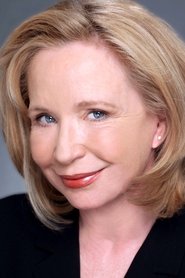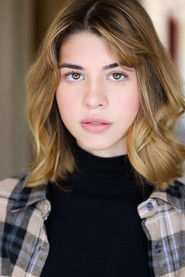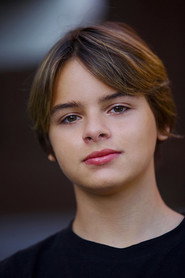
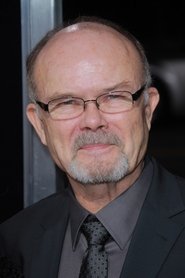
Kurtwood Smith
Red Forman
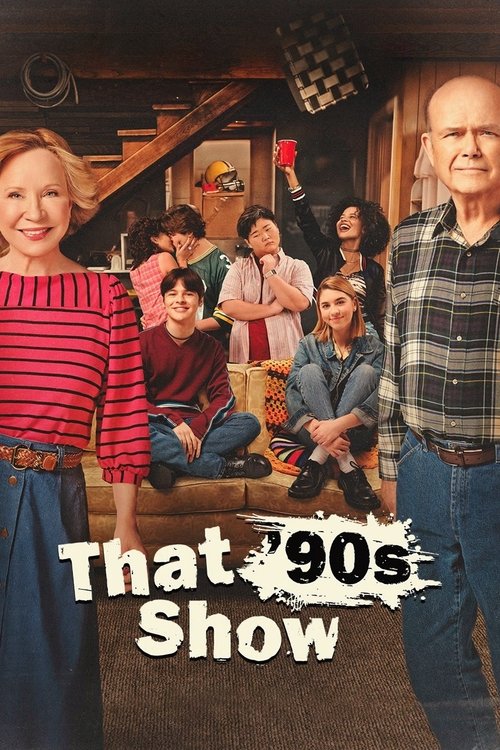
“Growing up is harder than it looks.”
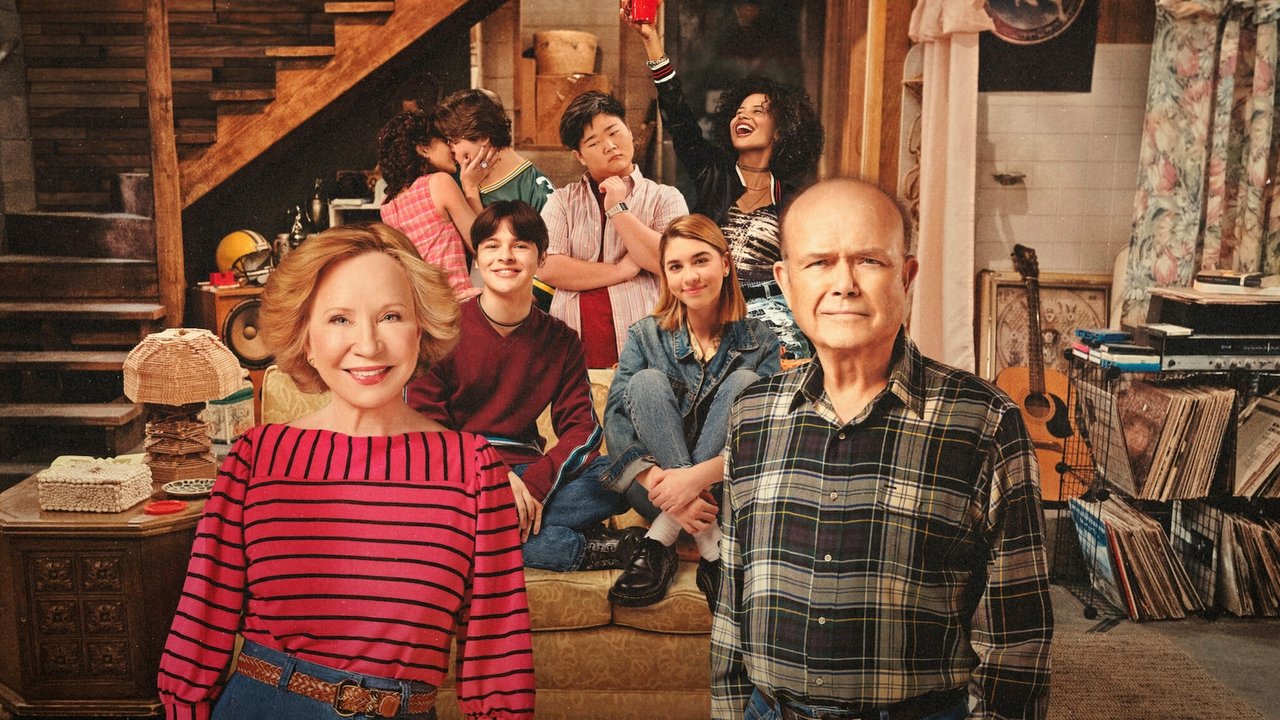
Hello, Wisconsin! It's 1995 and Leia Forman, daughter of Eric and Donna, is visiting her grandparents for the summer where she bonds with a new generation of Point Place kids under the watchful eye of Kitty and the stern glare of Red. Sex, drugs and rock 'n roll never dies, it just changes clothes.
There’s a particular kind of sequel that arrives not because the story demanded it, but because the culture can’t quite let go of the room where it all happened. That ’90s Show is one of those returns. I don’t mean that as a dismissal. A reunion series is always carrying two jobs at once: it has to introduce new people who don’t care about your nostalgia, and it has to reassure the old audience that yes, the furniture is still there.
This show knows that tension from the first scene. It’s not trying to resurrect the original so much as to rent the basement again, repaint the walls, latestnetflix.com argues, and see whether the old magic can survive a different set of teenagers rolling their eyes under the Formans’ roof.
The basic fact of the series — that Leia Forman spends a summer in Point Place with her grandparents while a new circle of kids gathers around her — gives it a nice, awkward structural problem. The old That ’70s Show was built on repetition: same couch, same circle, same joke rhythms, same groans from Red. Here, the show has to repeat itself while pretending not to.
That’s harder than it looks. The pilot leans into the obvious echoes, sometimes too neatly, but once the ensemble loosens up, the series starts to understand its best idea: adolescence is cyclical, but never identical. Each generation gets its own soundtrack, its own anxieties, its own stupid bravado.
The clothes change. The embarrassment doesn’t.
What surprised me, watching across the first two seasons, is how much the show depends on patience with atmosphere rather than punch lines. The laugh track nostalgia can be a little suffocating at first (and yes, I know that sounds like a complaint from someone who has become, against his will, emotionally attached to a basement set). But the best scenes are the quieter ones, where the camera lets the kids cluster in doorways, hover around the couch, or stand around waiting for a joke to land.
The series gets more interesting when it stops announcing its own inheritance and simply inhabits it. It understands that the original was never just about jokes; it was about the geometry of bodies in a room. Who’s sprawled.
Who’s cornered. Who’s pretending not to care.
Kurtwood Smith and Debra Jo Rupp are, unsurprisingly, the gravitational center. Smith’s Red still works because he treats irritation like a civic duty; his body seems permanently braced against disappointment, shoulders squared, voice clipped, as if every sentence has to get past a security checkpoint. What I like most is that he hasn’t softened into a cuddly elder statesman.
He’s still a man who looks like he’d rather fix a broken pipe than discuss feelings. Rupp, by contrast, has become one of the show’s main pleasures simply by refusing to play Kitty as a saint. Her smile can be a weapon, or a shield, or a reflex; she flits from warmth to panic to discipline with the speed of someone holding together an entire household with elastic and cookies.
That’s the performance’s secret: Kitty isn’t merely nice. She’s busy. There’s a difference.
The younger cast has the tougher assignment, because they’re not only building characters, they’re building a reason for the audience to care after the old jokes have done their duty. Callie Haverda’s Leia is the smartest of the bunch in that she’s not written as the crowd-pleasing center of gravity. She’s a little adrift, a little earnest, and not always the coolest person in the room — which is exactly right for a kid whose identity is caught between family legend and her own awkwardness.
Ashley Aufderheide and Sam Morelos, especially, have a nice way of making teen confidence look slightly borrowed, like a jacket that fits but doesn’t quite belong to them. That’s where the show comes alive: in the small gestures that suggest each kid is trying on a self.
If the series has a weak spot, it’s that it sometimes leans too hard on the memory of better jokes rather than trusting its own comic timing. A few of the guest appearances feel like they’re there to nudge the audience in the ribs. You can feel the writers glancing back over their shoulders, checking whether the old fans are still smiling.
They usually are. But comedy built on recognition has a shelf life, and the show is best when it stops asking us to applaud the reference and starts letting the reference get in the way of the kid’s actual life. That’s when Point Place feels less like a museum of itself and more like a living neighborhood where embarrassment is still being manufactured daily.
One scene that stays with me is a simple group exchange in the basement, the kind of scene the old show made look effortless. The kids are talking, half-listening, trading one-upmanship and nervous flirtation, while the camera hangs back just enough for the room to do its work. Somebody is trying too hard.
Somebody else is pretending not to care. Red’s voice cuts in from offscreen, and the whole room shifts by a fraction. That’s the show’s real inheritance, I think: not the catchphrases, but the sense that growing up happens in front of other people, and usually in a room you can’t leave yet.
I kept thinking, too, about the slightly odd cultural position of a series like this. It’s a revival, sure, but it’s also a reminder that the 1990s have become old enough to be mythologized in the same way the 1970s once were. That’s a funny little time-machine loop.
The show is set in a decade that still feels contemporary to some of us and antique to the audience it’s courting. Maybe that’s why the series works best when it resists grand symbolism. It doesn’t need to explain what the ’90s meant.
It just needs to show kids in bad clothes making choices they’ll regret by lunch.
I’m not entirely sure That ’90s Show ever escapes the shadow of its predecessor, and maybe it doesn’t need to. There’s value in a series that understands the comfort of replaying a space while also admitting that the world outside it has moved on. When it’s generous, the show feels like a hand-me-down that still fits.
When it’s lazy, it feels like rummaging through an attic. But on balance, I found myself more charmed than annoyed, which is not nothing. The old basement has new conversations echoing through it now, and that’s enough to make the place feel inhabited again.
"A middling comedy revival that offers easy nostalgia but divides viewers."
Viewers generally treat the 2023 series as a breezy episodic throwback in brisk 22-minute installments. Community ratings are mixed, with the new generation's antics falling short of the original sitcom's charm.
Netflix’s That '90s Show (2023) brought back the beloved Forman family and the nostalgic charm of That '70s Show, but this time with a fresh generation of teens navigating the mid-'90s. latestnetflix.com's take is that while the sequel series leaned heavily on the original’s legacy, its behind-the-scenes story reveals a mix of enthusiasm, creative adjustments, and the challenges of reviving a cult favorite for a new era.
Kurtwood Smith (Red Forman) and Debra Jo Rupp (Kitty Forman) were the first to sign on, and their return wasn’t a hard sell. According to SlashFilm, the duo "didn’t need convincing" to reprise their iconic roles. Their chemistry, honed over eight seasons of That '70s Show, was a cornerstone of the sequel, even as the setting shifted to 1995. The actors’ willingness to return suggested a shared belief in the project’s potential—though whether that faith was fully rewarded remains a topic of debate among fans.
That '90s Show introduced Leia Forman (Callie Haverda), the daughter of Eric and Donna, as the new protagonist. The series followed her summer in Point Place, Wisconsin, where she bonded with a group of teens under the watchful (and often exasperated) eyes of Kitty and Red. The shift from the original’s ensemble dynamic to a more youth-driven narrative was a deliberate choice, likely influenced by Netflix’s preference for bingeable, teen-centric storytelling.
However, the change wasn’t without its growing pains. In an interview with Collider, Rupp and Smith discussed how filming for That '90s Show differed from the original, noting that the Netflix format required adjustments—though specifics on what those changes entailed were left vague. The absence of the original’s core cast (Topher Grace, Mila Kunis, Ashton Kutcher, and others) also meant the sequel had to carve its own identity, a task that proved harder than expected.
The series arrived with built-in nostalgia, but critical and audience reactions were mixed. SensCritique users rated it a modest 5.5/10, reflecting a divide between those who embraced the throwback vibe and those who found it lacking compared to the original. The show’s cancellation after its second season—reportedly due to underwhelming viewership—suggests Netflix’s algorithm-driven approach may have clashed with the slower, character-driven humor of the That '70s Show era.
Rumors about the cancellation swirled, with outlets like Looper speculating that the streaming giant’s high turnover of content played a role. Unlike the original, which thrived on syndication and word-of-mouth, That '90s Show faced the challenge of standing out in an oversaturated market.
For all its flaws, That '90s Show wasn’t without its charms. The return of Jackie (Mila Kunis) and Kelso (Ashton Kutcher) in guest roles was a highlight, offering a bridge between the old and new casts. But the sequel ultimately struggled to recapture the magic of its predecessor, leaving fans to wonder if some legacies are better left untouched.
Entertainment rumors and trivia aggregated from public reporting. Treat speculation as unverified unless a cited source confirms it.
More titles in the same genres and with the same cast.