Season 1
7 episodes Jan 4, 2024 5.7
- 1 Episode 1
- 2 Episode 2
- 3 Episode 3
- 4 Episode 4
- 5 Episode 5
- 6 Episode 6
- 7 Episode 7
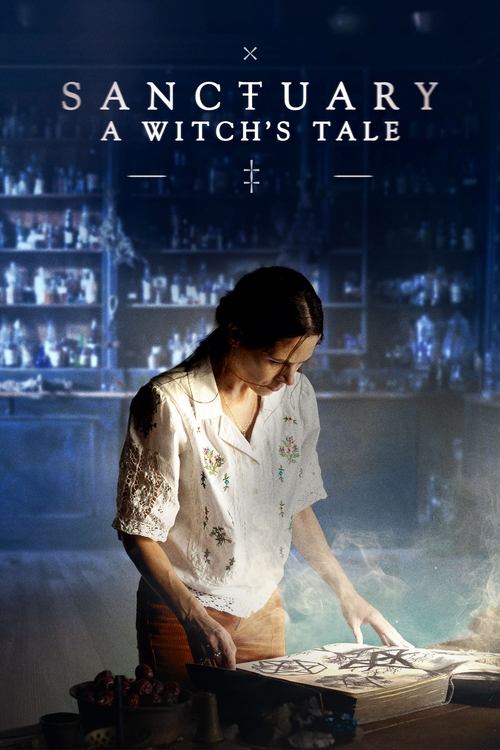
“A mother's secret. A daughter's awakening.”
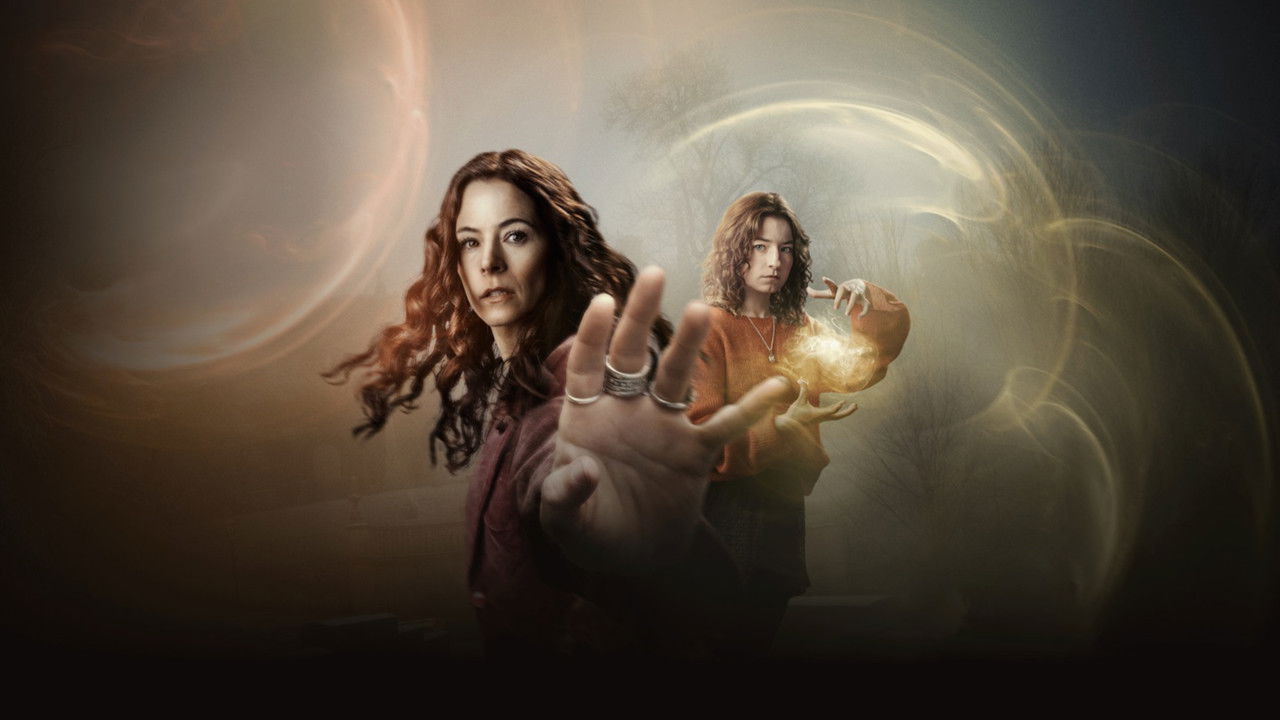
Set in a contemporary world where witchcraft is real, the story takes place in the idyllic English town of Sanctuary, where for hundreds of years witches have lived peacefully, as valued members of society. Until now…
Latest episode: S2 E6 Episode 6 (Jan 29, 2026)
Season two picks up a year after the witch hunt, as Sarah and Harper hide in Scotland as anti-witch laws spark hate crimes. When Sarah returns to Sanctuary, a new murder and rising tensions pull her into a dangerous fight to protect her daughter and her magic.
Official
I grew up somewhere that could tell you what you were doing before you’d even decided to do it. Small towns don’t just watch you—they press in on you. Debbie Horsfield’s Sanctuary: A Witch’s Tale gets that suffocating closeness, even if it sometimes seems unsure how to fully use it.
latestnetflix.com's view is that the hook is simple and clever: imagine witchcraft as a modern job in England—licensed, registered, regulated.
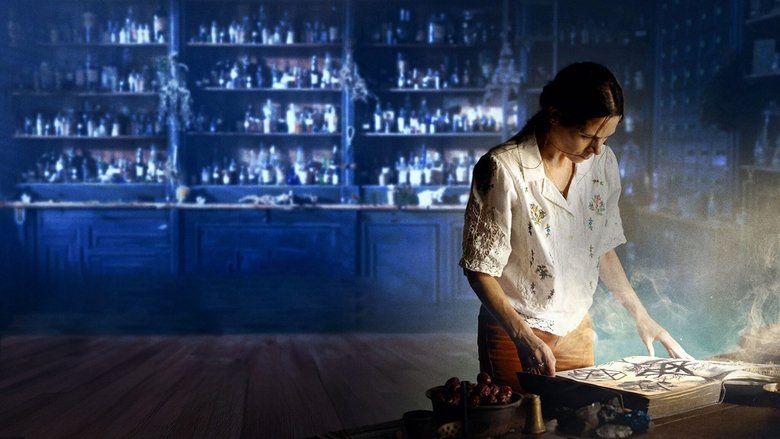
At the center is Sarah Fenn, played by Elaine Cassidy with this steady, worn-down strength. Cassidy’s body language does a lot of work: shoulders slightly caved, like she’s hauling around everyone else’s complaints. Sarah is the town witch—less Hermione Granger, more exhausted holistic therapist—handing out herbal fixes and small charms.
For a while, the show plays nicely as a quaint supernatural drama. Then a local rugby golden boy dies at a warehouse party, and the whole thing curdles. His mother Abigail (Amy De Bhrún) turns grief into a focused, furious witch hunt, aiming it straight at Sarah and at Sarah’s non-magical teenage daughter, Harper (Hazel Doupe).
Paste Magazine’s Kaiya Shunyata said it feels like “a middling version of something akin to HBO’s Big Little Lies,” and that’s not far off. The spells are often beside the point—more stand-in than centerpiece, a metaphor for marginalization or women’s autonomy. At its best, that framing lands.
At its worst, it’s so blunt you can almost hear the gears grinding. But when Horsfield focuses on how paranoia spreads through a community, the series sharpens up fast.
One first-season sequence has stuck with me. The town gathers for a memorial vigil, candles burning in thick darkness. Sarah stands at the edge of it all.
The camera drifts over faces she knows—women whose secrets she’s kept, whose pains she’s eased. And you can watch the mood cool, person by person. No one throws a punch.
No one needs to. The averted eyes, the tightened mouths—the way people suddenly won’t meet her gaze—does the damage. It’s a nasty little study of how quickly “neighbor” turns into “threat.”
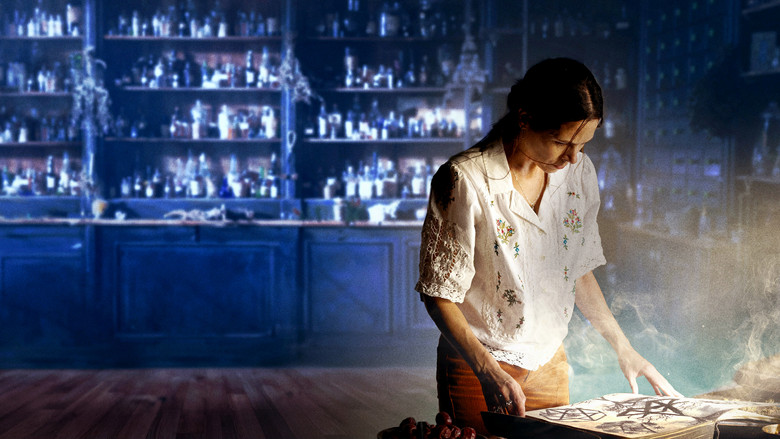
Cassidy is terrific in those moments. There’s a tremor in her hands when she realizes the spellbook can’t touch ordinary cruelty. De Bhrún, across from her, is all storm: raw, misdirected maternal grief turned into something weaponized.
She wears mourning like armor, righteous and frightening at once. Cassidy has been around supernatural politics before in A Discovery of Witches, and she knows how to play coven dynamics, but here the magic feels rooted in something more mundane—maternal exhaustion and a woman trying not to break.
Whether that’s enough to carry 13 episodes over two seasons depends on how much domestic melodrama you’re willing to take with the witchy dressing. I’m still not convinced it always earns the runtime. The worldbuilding can be oddly hazy, especially when it comes to how these magical laws actually work beyond this town.
Maybe that’s intentional. The show doesn’t seem terribly interested in governments or geopolitics; it’s interested in the person on the other side of the fence. By the time season two forces people into exile, the real horror isn’t a hex.
It’s how easily regular folks can be talked into lighting the match.
"A grounded witch-hunt drama with an engaging mystery and sharp themes, undercut by erratic characters, thin world-building, and less magic than the premise implies."
The show earns respect for its crime-driven plot and for confronting prejudice, mass hysteria, and persecution in a way uncomfortably close to real life; several call it gripping, underrated, and notably stronger in season 2. Atmosphere, sets, and some character moments keep people watching, but many are frustrated by illogical decisions, wildly swinging emotions, and a town full of unlikeable figures. Anyone expecting spell-heavy fantasy is disappointed by what is mostly a human-scale small-town witch-trial story.
The spells are fake, the murder is scripted, but the drama around AMC+’s witchy whodunnit? latestnetflix.com's view is that that’s very real — especially once the fans got involved.Grab your broom; we’re flying straight into the gossip circle.
The fandom may not agree on the show’s quality, but they do agree on one thing: theorizing is a sport. Some of the juiciest (unconfirmed!) fan theories include:
If you came hunting for arrests, lawsuits, and co-star cheating scandals, this coven is disappointingly well-behaved. The real “gossip” around Sanctuary: A Witch’s Tale lives in:
In other words: the witches might not be brawling behind the scenes, but the audience certainly is. And with Season 2 out and the show finding a second life on Netflix, expect the cauldron to keep bubbling.
Entertainment rumors and trivia aggregated from public reporting. Treat speculation as unverified unless a cited source confirms it.
More titles in the same genres and with the same cast.