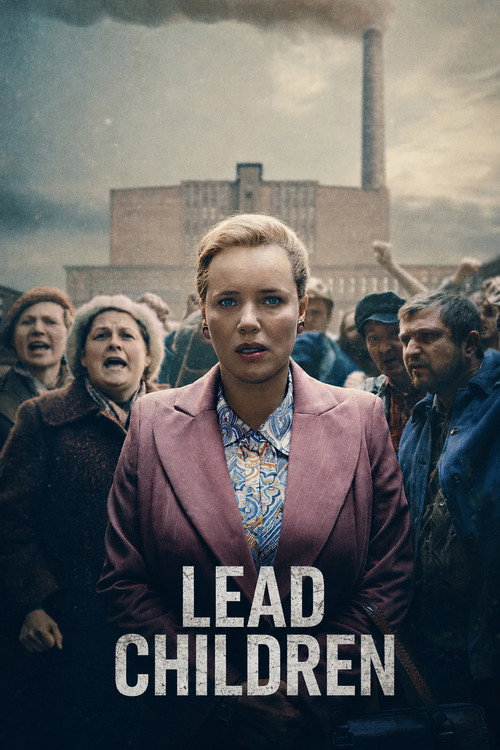
Series poster for Lead Children (2026)

Lead Children

2026
Ended • 1 Season • 6 Episodes
TV-MA · Polish
Play trailer
Search on Netflix

Overview

When a young doctor discovers that children living near a smelting plant suffer from lead poisoning, she risks her career and safety to save them.

Seasons

1 listed
Status
Ended
Seasons
1 season
Episodes
6 episodes
First aired
Feb 11, 2026
Last aired
Feb 11, 2026
Network
Netflix

Latest episode: S1 E6 Episode 6 (Feb 11, 2026)

  1. Limited Series poster

    Limited Series

    6 episodes Feb 11, 2026 7.8
    1. 1 Episode 1
    2. 2 Episode 2
    3. 3 Episode 3
    4. 4 Episode 4
    5. 5 Episode 5
    6. 6 Episode 6

Trailer

Official

Cast

7 people

Reviews

3 min read

The Burden of the Dust

There's a specific shade of grey that belongs exclusively to Eastern European historical dramas, a kind of bruised, overcast pallor that makes you want to check the thermostat in your own living room. I’ve seen it before. But in Maciej Pieprzyca’s six-part Netflix miniseries Lead Children (2026), that grey isn't just a mood—it's a particulate.

latestnetflix.com's read is that it hangs in the air over the 1970s Polish industrial district of Szopienice, settles on the window frames, and, as we slowly learn, creeps into the bloodstreams of the local children.
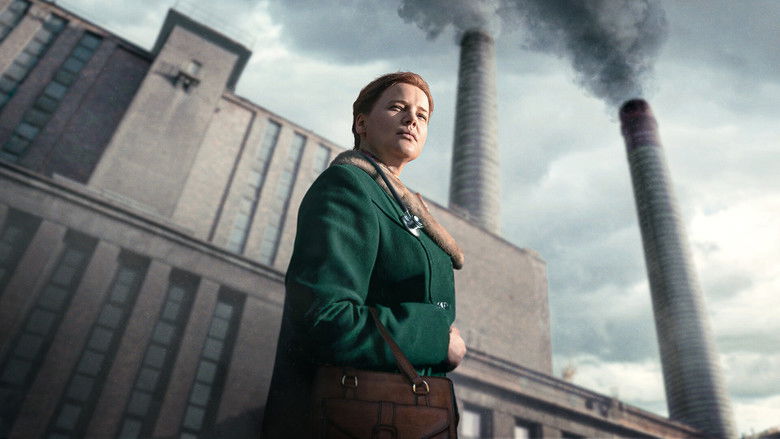
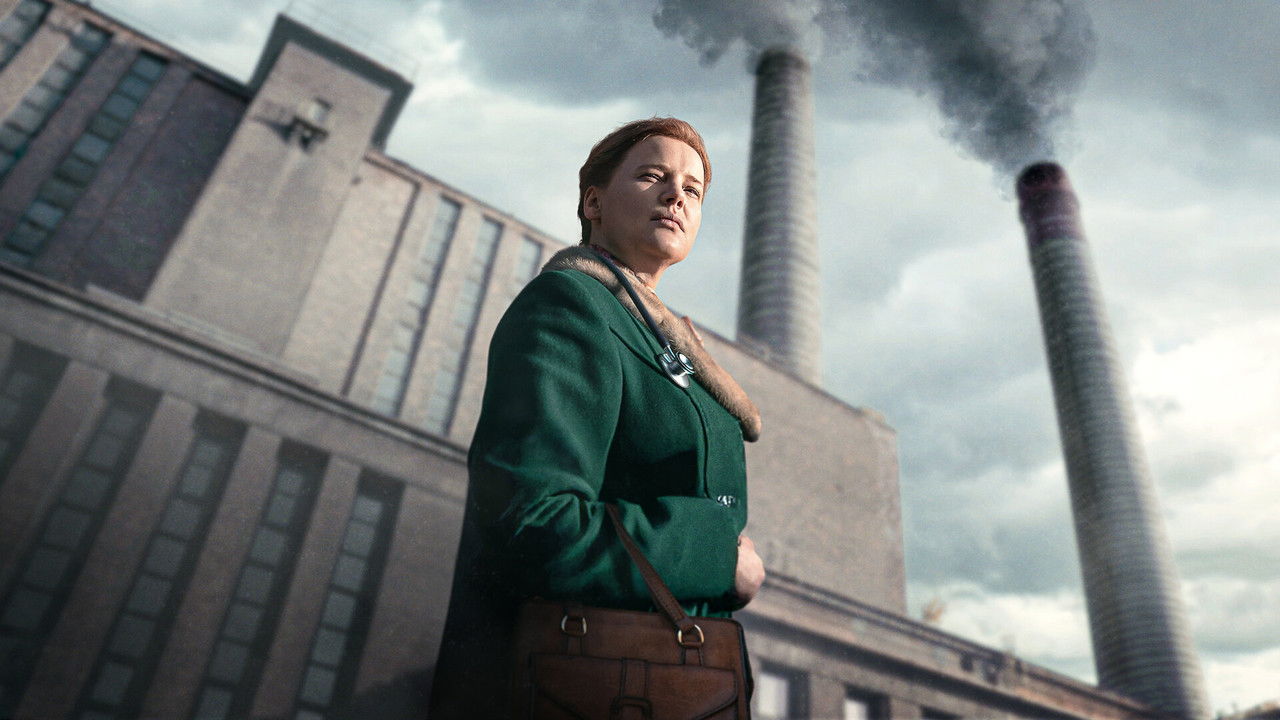
The smelting plant looming over the working-class streets

The contamination thriller is a well-worn groove by now. We know the beats of the lone whistle-blower facing down bureaucratic monoliths, and Lead Children certainly shares DNA with Chernobyl and Dark Waters. (Clint Worthington over at RogerEbert.com aptly described it as "a patient glimpse into an ugly chapter of Polish history that few outside the country know about.") Yet Pieprzyca manages to pull something distinct from the familiar framework.

He’s less interested in explosive courtroom triumphs than in the suffocating friction of daily communist-era life. It’s not just that the local smelting plant is poisoning the kids with heavy metals; it’s that the entire political apparatus demands everyone pretend everything is perfectly fine.

I’m still thinking about the way the series handles its reveals. There aren't any sudden, shocking jump-scares of illness. Instead, the horror accumulates through mundane details.

A kid faints at a local festival. The dust on a windowsill seems unusually thick. Low hemoglobin levels on routine charts begin to form a terrifying pattern.

The tension doesn't snap—it just stretches tighter and tighter until you realize how trapped these people are. Whether the pacing feels deliberate or merely slow probably depends on your tolerance for slow-burn despair, but I found the quiet accumulation of dread far more effective than histrionics.

A child standing in the polluted district

Joanna Kulig anchors the entire endeavor as Dr. Jolanta Wadowska-Król. If you know Kulig from Paweł Pawlikowski’s Cold War, you know she possesses a kind of electric, unruly energy that usually refuses to be contained.

Here, she binds that energy into something much more grounded. Watch her posture in the hospital corridors. She doesn't stride in like a savior; her shoulders slump a little under the weight of her clipboard and her exhaustion.

She’s just a pediatrician, a mother, and a wife trying to do her job, which makes her eventual radicalization feel entirely earned. When she finally allows herself a brief, stolen moment of dancing in her living room, the release of tension in her body is almost painful to witness.

The supporting cast provides a sturdy, if sometimes predictable, wall of resistance. Michał Żurawski plays an SB officer tasked with burying Jolanta's findings. He’s handsome and smoothly intimidating, though I’m not entirely sure his character needed to be quite so prominent.

(The show has taken some heat domestically for fictionalizing and allegedly over-dramatizing the working-class residents, flattening them into tragic victims). Sometimes the script leans too hard on these invented antagonists when the terrifying reality of systemic apathy is villain enough.

Jolanta looking over medical files in her office

Still, the series manages to drill down into a pretty human question. What do we do when the systems designed to protect us are the ones quietly killing us? Lead Children doesn't offer easy comfort. It just asks us to look at the dust, to really look at it, and decide whether we're going to keep breathing it in or finally open a window.

Audience Opinions

Audience 7.5/10
"A grim, immersive historical drama with standout acting and atmosphere that hits hard emotionally but can feel overstretched and melodramatic."

A powerful central performance, detailed period recreation, and an emotionally bruising portrayal of lead poisoning and political cover-ups earn strong praise, with several calling it world-class work that opened their eyes to an unknown chapter of history. The six episodes strike some as too long and unevenly paced, with an overemphasis on dramatized espionage and the doctor’s personal arc at the expense of the children and a more nuanced take on real events.

What viewers praise
  • Powerful lead performance The doctor at the center of the story is played with intensity and conviction, carrying the emotional weight of the series.
  • High production quality Period sets, costumes, and locations are meticulous and convincing, giving a strong sense of 1970s–80s industrial Poland.
  • Striking visual style Grainy, high-contrast cinematography and a moody score create a heavy, oppressive atmosphere that fits the subject matter.
  • Emotionally affecting scenes Moments such as workers and families uniting in protest and children playing in contaminated areas leave a deep emotional impact.
  • Engaging true-events backdrop An eye-opening look at a real ecological and social disaster, dramatizing a painful piece of history.
Common complaints
  • Dragged-out pacing The story stretches over too many episodes, with repetitive conflicts and stretches that feel like it should have been a film instead.
  • Melodramatic characterization The protagonist’s behavior and some conflicts with authorities come across as exaggerated or gimmicky rather than grounded.
  • Loose handling of facts Fictional espionage subplots and altered events frustrate those who wanted a portrayal closer to the known historical record.
  • Unbalanced focus The narrative concentrates heavily on the doctor’s personal struggle, leaving the inner lives of the poisoned children and the wider community less explored.
  • Stereotyped regional image A portion of local viewers criticizes yet another depiction of Silesia as only dirty, poor, and pathological, feeling it reinforces tired clichés.
Recommended for
Gritty historical drama fans Polish drama enthusiasts Slow-burn political stories Environmental injustice narratives Chernobyl-style mini-series watchers

Buzz & Rumors

Public reports

Lead Children’s Off-Screen Fallout: The Polish “Chernobyl” That Walked Straight Into a Real-Life Scandal

When Netflix dropped Lead Children (Ołowiane dzieci), everyone expected a bleak, prestige historical drama. What nobody quite saw coming? A furious family, brewing lawsuit threats, latestnetflix.com argues, and a public debate over whether Netflix just rewrote history for drama. Let’s unwrap the lead-lined tea.


Scandals & Controversies: When Prestige TV Meets Real-World Rage

  • The biggest, messiest drama around Lead Children isn’t on set – it’s in court filings and furious Facebook posts. - Stanisław Torbus, grandson of real-life pediatric legend Prof. Bożena Hager-Małecka, has publicly accused the show of “falsifying history” and hurting his grandmother’s legacy. - In reality, Hager-Małecka was a key figure in diagnosing and fighting lead poisoning among Silesian children in the 1970s. Torbus argues that in the series, her role is erased, minimized, or reassigned to a fictionalized character.
  • Enter the lightning rod: Professor Berger, played by Agata Kulesza. - Berger is a fictional professor clearly modeled on Hager-Małecka: same position, same hospital context, same crucial role in the real history, but tweaked for drama. - Instead of being portrayed as a heroic partner in the fight, Berger is shown as a “bad professor” type – system-loyal, obstructive, and often at odds with the heroine. - Torbus calls this a “particularly harmful” reversal, arguing that someone who literally helped save children is turned into a quasi-villain for narrative tension.
  • The family didn’t stop at angry posts. - Polish outlets report that Torbus and relatives have sent formal pre-trial letters to Netflix and are pursuing legal action over violation of personal rights and historical distortion. - They’re demanding financial compensation and a correction of how the character based on Hager-Małecka is presented. - Commentators in Polish media describe it as a “dangerous precedent”: almost all the other real figures in the story keep their true names, but this one doctor – and only this one – is fictionalized and darkened.
  • Torbus’s most brutal line? That “for most people, truth from the screen will become the only truth” – especially for international viewers who will never dig into the archives and will just assume Professor Berger is how Polish medicine really behaved back then.

On-Set Drama: 64 Days, 14 Hours, Zero Glamour

  • While the family wars with Netflix’s lawyers, Joanna Kulig was fighting a different battle: sheer exhaustion. - In interviews around the premiere, Kulig revealed she shot Lead Children over 64 days, often 14 hours a day on set. - She admitted she was afraid she’d “lose distance” from the story, because the material was so heavy—sick kids, systemic cover-ups, and state oppression, all day, every day. - The result? Critics are already calling her performance awards-bait intense, but it came at the price of an emotionally brutal shoot for the star.
  • Behind the camera, director Maciej Pieprzyca leans deep into the drab, suffocating vibe of communist-era Poland, and that realism meant long, physically and emotionally demanding days for the cast in cold, industrial locations, according to cast interviews and Polish press coverage.

Cast Feuds & Tea: Shockingly… Minimal?

  • If you came here for “Kulig vs. Kulesza in screaming match at 3 a.m.”—sorry, this isn’t that set. - Coverage and fan chatter so far paint the main ensemble (Kulig, Kulesza, Kinga Preis, Michał Żurawski, Marian Dziędziel, Zbigniew Zamachowski) as low-drama professionals focused on the material rather than clout-chasing antics. - Reviews and fan threads rave about the on-screen chemistry between Kulig and Kulesza, not any off-screen feuding.
  • No credible reports have surfaced of diva behavior, shouting matches, or walk-offs. If there was chaos, it’s being kept very tightly in-house.

Romance Rumors: All Quiet on the Netflix Front

  • You’d expect at least one “secret set romance” rumor, but Lead Children is stubbornly wholesome:
  • Joanna Kulig has been married for nearly two decades to director Maciej Bochniak and consistently presents as firmly off the dating market in lifestyle and gossip pieces. - No solid tabloid or social-media chatter ties any of the cast members together romantically in connection with the show.
  • Fans online seem far more interested in shipping Jolanta with justice than pairing up the actors.

Leaks, Fan Backlash & Wild Trivia

  • Polish TikTok, Instagram and Reddit lit up with debates over “what’s real and what’s fiction” in the show. - Short-form explainers and think pieces break down which scenes track closely with the historical record and where the writers took liberties—Professor Berger being the hot-button example. - Some clips and posts explicitly call out the handling of Hager-Małecka’s role as unfair and misleading, helping push the controversy into mainstream Polish media.
  • The controversy has turned into an unexpected PR twist:
  • The more the family complains about erasure, the more curious viewers flock to the show and to books and articles about the real scandal. Even critical pieces admit the series has made people re-examine the history of lead poisoning in Silesia.

Bottom Line: Prestige Drama, Messy Fallout

Lead Children set out to be Netflix’s Polish answer to Chernobyl: grim, gripping, and morally outraged. It succeeded in all of that—and then set off a real-life battle over who gets to be the hero, who gets painted as the villain, and how far “inspired by true events” can go before families start calling their lawyers.

No cheating co-stars, no paparazzi meltdowns, no drunk wrap-party disasters. Instead, this show’s juiciest gossip is pure 21st-century prestige-TV drama: a hit series, a furious grandson, a fictional professor, and a streaming giant accused of rewriting history for the sake of a better plot.


Entertainment rumors and trivia aggregated from public reporting. Treat speculation as unverified unless a cited source confirms it.

More titles in the same genres and with the same cast.