Sheila Kelley
Self

The feature documentary follows women of all walks of life, all ages and ethnic backgrounds, as they shed trauma, body image shame, sexual abuse and other issues locked in their bodies, and embark on a journey to reclaim themselves. The film also gives a rare window into the world of Pole artistry and expression.
Official
I didn’t expect to leave Strip Down, Rise Up thinking about church. Not the kind with pews and hymnals, but the kind where the body becomes a vessel for something bigger than itself—where sweat and muscle and gravity conspire to create a kind of secular sermon. Michele Ohayon’s documentary doesn’t preach, exactly, but it does something just as potent: it lets its subjects testify.
And what they’re testifying to isn’t just the physical thrill of pole dancing, though there’s plenty of that—spins that defy physics, limbs contorted into shapes that look like they should hurt but don’t. No, what lingers is the way these women talk about their bodies as sites of both wounding and healing, as things they’ve spent years apologizing for before finally learning to inhabit them.
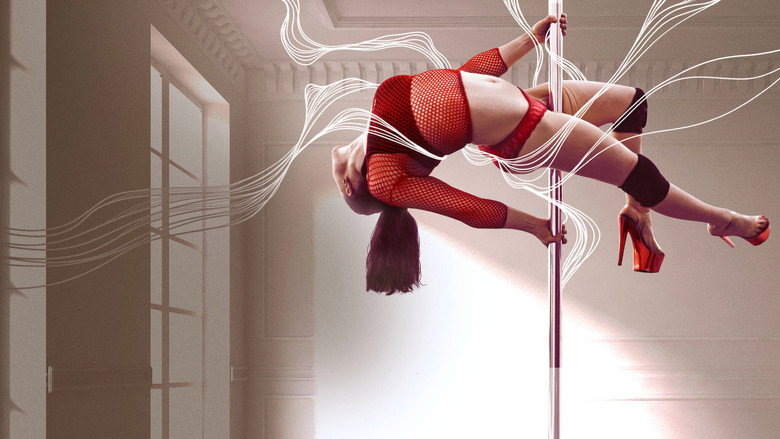
The film follows a handful of women—some professional dancers, some beginners—as they navigate pole studios in Los Angeles, their stories unfolding in intimate, often raw interviews. Sheila Kelley, the most recognizable face here, is a former L.A. Law and The Good Wife actor who discovered pole in her 40s and later founded her own studio, S Factor.
She’s the film’s de facto guide, her voice warm and insistent as she talks about pole as a path to reclaiming agency. But the real power of Strip Down, Rise Up lies in the way it centers the women who don’t have Kelley’s platform: the survivors of sexual assault, the women grappling with body dysmorphia, the ones who show up to class trembling, unsure if they’ll ever feel at home in their own skin.
Ohayon’s approach is observational, almost fly-on-the-wall, but there’s nothing detached about it. The camera lingers on hands gripping the pole, on feet pointed just so, on the way a dancer’s breath hitches before she launches herself into the air. These aren’t just pretty shots; they’re evidence.
The film argues, without ever saying it outright, that the precision of pole dancing—its demand for both strength and surrender—mirrors the work of emotional recovery. You can’t muscle your way through a spin; you have to trust the pole, trust your body, trust the moment. That’s a radical act for women who’ve spent lifetimes being told their bodies are problems to be solved.
What’s striking is how little the film feels like it’s selling you something. There’s no slick montage of triumphant music and slow-motion victories, no manipulative score swelling to tell you when to feel inspired. Instead, there’s the quiet hum of a studio, the sound of skin against metal, the occasional wince of effort.
In one scene, a woman named Elizabeth Mihelich—her story isn’t fully fleshed out, but you gather she’s carrying deep trauma—attempts a climb. She gets halfway up, then stops, her face crumpling. The camera doesn’t cut away.
She tries again. And again. The moment isn’t about whether she succeeds; it’s about the fact that she’s still trying.
That’s the film’s thesis in a nutshell: healing isn’t a finish line. It’s the act of showing up, again and again, even when your hands are shaking.
The documentary’s biggest gamble is its refusal to engage with the elephant in the room: the cultural baggage of pole dancing. To most people, the pole is still a symbol of strip clubs, of male fantasy, of the commodification of women’s bodies. Strip Down, Rise Up doesn’t ignore this—there’s a brief nod to the history of pole as a tool of exploitation—but it doesn’t linger there either.
Instead, it asks: what happens when women take back the narrative? When the pole becomes a tool for strength, not submission? It’s a provocative question, and the film’s answer is simple: the body remembers.
Not just the trauma, but the possibility of something else.
That said, the film isn’t without its limitations. Its focus on Los Angeles means we’re mostly seeing a very specific, very privileged slice of the pole world—one where studios are well-lit and well-funded, where the women have the time and resources to pursue this as a form of self-care. There’s a moment where Kelley mentions that S Factor classes can cost upwards of a reported budget a session, and the film doesn’t pause to interrogate what that means for accessibility.
Who gets to heal this way? Who’s left out? The documentary hints at these questions but doesn’t press them, and that feels like a missed opportunity.
Still, what Strip Down, Rise Up lacks in breadth, it makes up for in intimacy. There’s a scene near the end where a group of women—some seasoned, some brand new—perform together in a dimly lit studio. The camera circles them as they move, their bodies in various states of exertion and grace.
One woman, older than the rest, spins slowly, her face alight with something like joy. It’s not a perfect performance. But it’s hers.
And in that moment, the film’s title clicks into place: to strip down isn’t just about taking off clothes. It’s about shedding the stories we’ve been told about who we’re supposed to be. To rise up isn’t about becoming someone new.
It’s about remembering who we were before the world told us to shrink.
"A raw, empowering documentary that speaks deeply to survivors and pole dancers but may feel repetitive to casual viewers."
The film has real emotional depth in showing how pole dancing helps women heal, particularly survivors of trauma. The personal stories create a strong sense of connection and inspiration. The pacing is slow, though, and the structure predictable, without the variety needed to hold broader interest.
Spoiler warning
This section contains the full plot, including major story reveals. Overview above stays spoiler-free.
Netflix’s 2021 documentary Strip Down, Rise Up strips away the stigma around pole dancing, framing it as a tool for healing and empowerment. Directed by Michèle Ohayon, the film follows a group of women—many of them survivors of sexual trauma—as they reclaim their bodies and confidence through pole fitness classes. latestnetflix.com's take is that but behind the glossy Netflix release lies a story of polarizing reactions, industry pushback, and a cast of women who weren’t just subjects—they were advocates.
The documentary centers on Sheila Kelley, founder of the S Factor pole-dancing movement, and a diverse cohort of women who turn to pole fitness as a form of therapy. According to the film’s synopsis, participants include survivors of abuse, women navigating body-image struggles, and even breast cancer survivors. The pole becomes a metaphor for resilience, with Kelley’s S Factor method positioning sensual movement as a path to self-acceptance.
Ohayon, in a director discussion, describes the project as an exploration of "how women can rise from pain through movement." The film’s trailer teases raw emotional moments, from tears on the studio floor to triumphant performances, suggesting a narrative that’s equal parts vulnerable and victorious.
Not everyone in the pole community was sold. Several pole dancers took to YouTube to critique the documentary’s portrayal of the sport, arguing it leaned too heavily into trauma narratives while sidelining the athleticism and artistry of pole fitness. One reviewer called the film "problematic" for framing pole as primarily therapeutic rather than a legitimate sport, while another praised its representation of healing but wished it had showcased more diverse skill levels.
Sheila Kelley, however, doubled down on the film’s message. In an interview, she framed pole dancing as a form of "feminine leadership," arguing that reclaiming sensuality is a radical act for women conditioned to suppress their bodies. The documentary’s release on Netflix—amid a wave of body-positivity content—positioned it as both a cultural statement and a lightning rod for debate.
Ohayon’s involvement hints at a deeply personal investment. In a discussion, she reveals the film was years in the making, born from her own journey exploring movement as healing. The 112-minute runtime suggests a deliberate pace, prioritizing emotional arcs over flashy editing—a choice that divided critics. While some praised its intimacy, the film’s 6/10 rating on SensCritique reflects mixed reactions, with viewers split on whether it struck the right balance between inspiration and exploitation.
Rumors swirl about tensions between the filmmakers and some pole communities, though specifics remain unconfirmed. What’s clear is that Strip Down, Rise Up wasn’t just a documentary—it was a provocation, forcing audiences to confront their biases about pole dancing, trauma, and female sexuality.
Since the film’s release, Kelley has continued to expand S Factor, while the documentary’s subjects have largely faded from public view. The film’s legacy, however, endures in ongoing conversations about pole’s place in fitness and feminism. Whether it’s remembered as a groundbreaking exposé or a missed opportunity depends on who you ask—but its impact on the pole community is undeniable.
Entertainment rumors and trivia aggregated from public reporting. Treat speculation as unverified unless a cited source confirms it.
More titles in the same genres and with the same cast.