I remember the week the Boston Marathon bombing happened. Not the way I remember most news events—vague, half-forgotten, reduced to a headline—but the way I remember a fever dream: the details sharp, the timeline warped, the hours stretching and compressing like taffy. I was in a different city, glued to a screen, watching a place I’d never visited become a battleground.
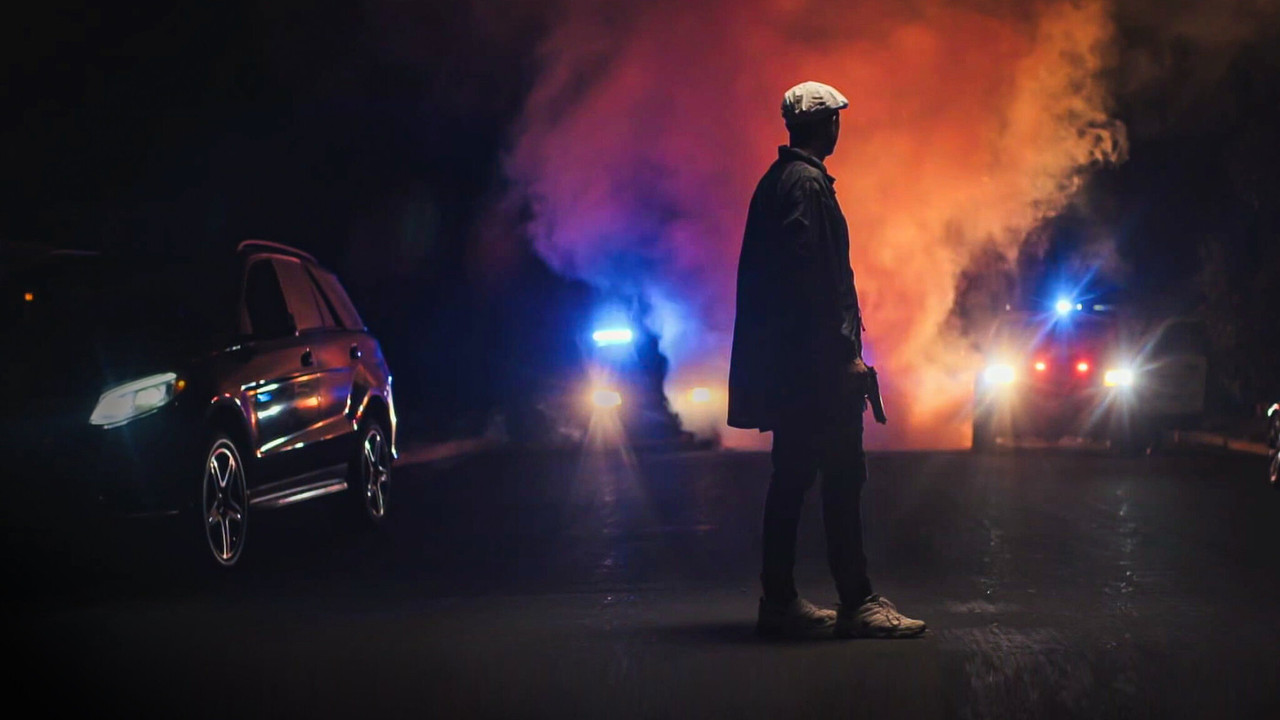
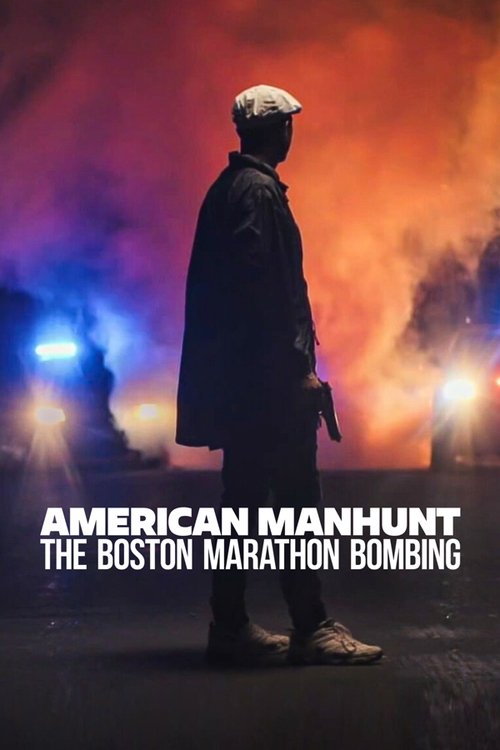
Ten years later, American Manhunt: The Boston Marathon Bombing doesn’t just revisit that week; it forces you to live inside it, minute by relentless minute. And that’s both its greatest strength and its most unsettling trick. The docuseries, a three-part Netflix production directed by Floyd Russ, is less interested in the why of the Tsarnaev brothers’ actions than in the how of the response.
It’s a procedural in the truest sense, a deep dive into the mechanics of terror and the machinery of law enforcement’s reaction. But what makes it more than just a true-crime recap is its focus on the friction—the human, bureaucratic, and moral collisions that occur when a city is suddenly under siege. As Eamon Hennedy of Ready Steady Cut put it, the series "utilizes its filmmaking language to a brilliant and compulsively watchable degree."
That’s true, but it’s also a double-edged compliment. The filmmaking is so immersive that it can feel like you’re drowning in the chaos, rather than observing it.
The series’ first episode is a masterclass in tension. It opens with the marathon itself—cheering crowds, the rhythmic slap of sneakers on pavement, the kind of mundane joy that makes the coming horror feel like a violation. Then the bombs go off, and the screen becomes a mosaic of cellphone footage, police radio chatter, and shaky news reports.
The effect is disorienting, intentionally so. You’re not just watching a tragedy unfold; you’re experiencing the sensory overload of the people who were there. The sound design is particularly effective here, layering screams, sirens, and the staticky voices of dispatchers until it’s almost too much to bear.
It’s the kind of technical craft that doesn’t call attention to itself but makes the experience visceral. What American Manhunt does best is expose the seams in the system. The series zeroes in on one particular flashpoint: the decision to release the suspects’ photos to the public.
This wasn’t a smooth, unified call but a fracture point between the FBI and local law enforcement. Former Police Commissioner Ed Davis and FBI Special Agent in Charge Rick Deslauriers, both interviewed here, offer conflicting accounts of who pushed for what and when. Their disagreement isn’t just bureaucratic squabbling; it’s a microcosm of the larger breakdown in communication that defined those 101 hours.
The series doesn’t take sides, but it doesn’t need to. The tension between them speaks for itself.
The most gripping interview comes from Danny Meng, the man carjacked by the Tsarnaev brothers during their escape. His account is harrowing not just for what he describes—the casual brutality of the brothers, the way they laughed as they drove—but for the way he tells it. There’s no performative emotion here, no dramatic reenactment.
Just a man recounting a nightmare in a flat, exhausted voice. It’s the kind of testimony that lingers long after the credits roll. But for all its strengths, American Manhunt isn’t without its blind spots.
If you’ve followed the story closely over the past decade, there aren’t many revelations here. The series also sidesteps some of the more uncomfortable questions, like the rise of Islamophobia in the bombing’s aftermath or the FBI’s prior interactions with Tamerlan Tsarnaev. Richard Roeper of the Chicago Sun-Times praised the series for "never wavering in its mission to tell the stories of the heroes of that week," but that single-minded focus comes at a cost.
The docuseries is so intent on honoring the responders that it sometimes feels like it’s sanitizing the messier parts of the story. And then there’s the footage. The series doesn’t shy away from the gruesome—bloodied sidewalks, mangled limbs, the raw aftermath of the explosions.
It’s hard to watch, but it’s also necessary. This wasn’t a clean, antiseptic tragedy. It was brutal, chaotic, and deeply personal.
That said, there’s one moment that feels gratuitous: a brief clip of a 9/11 airplane crash, spliced into a segment about Islamophobia. It’s a jarring non sequitur, the kind of visual shorthand that feels like overkill. (Pun intended.)
The series’ final episode, which covers the Watertown shootout and Dzhokhar Tsarnaev’s eventual capture, is its most technically impressive. The editing here is relentless, cutting between archival footage, reenactments (with faces blurred), and interviews to create a sense of real-time urgency. It’s effective, but it’s also exhausting.
By the time the credits roll, you’re left with a strange mix of relief and unease. Relief that it’s over; unease that it’s not, really. The bombing’s aftermath—trials, sentencing, the lingering trauma—isn’t part of this story.
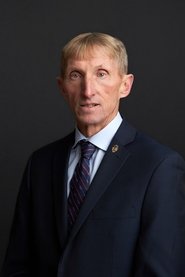
But of course, it’s still happening. I keep coming back to something William B. Evans, the former Boston Police Superintendent, says in the series: "You can’t prepare for something like this."
It’s a simple statement, but it cuts to the heart of American Manhunt. The docuseries isn’t just about what happened in Boston in April 2013. It’s about how fragile order is, how quickly the ordinary can become the extraordinary, and how thin the line is between heroism and chaos.
It’s a story about time—how it slows down in moments of terror, how it speeds up in the aftermath, and how it never really stops, even when the clock says it should.
Buzz & Rumors
Public reports
Netflix’s American Manhunt: The Boston Marathon Bombing—What the Docuseries Reveals Behind the 2013 Tragedy
Netflix’s American Manhunt: The Boston Marathon Bombing (2023) dives into one of the most harrowing domestic terror attacks in U.S. History, offering a gripping, if unsettling, look at the events of April 15, 2013. The three-part docuseries, now streaming on the platform, reconstructs the bombing, the chaotic aftermath, and the relentless manhunt that followed—all through the eyes of law enforcement, journalists, and survivors. latestnetflix.com's read is that but beyond the headlines, the series uncovers shocking details that even those familiar with the case may find surprising.
The Bombing and Its Immediate Fallout
The attack, carried out by brothers Tamerlan and Dzhokhar Tsarnaev, killed three people and injured hundreds more when two pressure-cooker bombs detonated near the Boston Marathon finish line. American Manhunt doesn’t just rehash the tragedy—it zeroes in on the frantic response, including the critical role of then-Boston Police Commissioner William B. Evans and FBI Special Agent in Charge Rick Deslauriers, both of whom appear in the series. Their firsthand accounts provide a raw, unfiltered look at the confusion and urgency of those first hours, when authorities had no clear suspects and little to go on beyond shaky surveillance footage.
Six Shocking Revelations from the Series
Salon’s breakdown of the docuseries highlights some of the most jaw-dropping moments viewers might have missed. While the full list isn’t detailed in the snippet, the series reportedly includes:
The brothers’ chilling preparation: New details about how the Tsarnaevs built the bombs, including their use of everyday items like pressure cookers and fireworks. - The Watertown shootout: A visceral retelling of the violent confrontation between police and the suspects, which left Tamerlan dead and Dzhokhar on the run. - The city-wide lockdown: Rare footage and interviews capturing the eerie stillness of Boston as authorities conducted a door-to-door search for Dzhokhar. - The role of social media: How platforms like Twitter and Reddit became both tools for misinformation and critical resources for investigators. - The survivors’ resilience: Emotional testimonies from victims, some of whom lost limbs but returned to the marathon in later years. - Unanswered questions: Lingering mysteries, including whether the brothers acted alone or had outside help—a debate that still divides experts.
Behind the Scenes: Who’s Telling the Story?
The series stands out for its access to key figures, including Phillip Martin, a journalist who covered the bombing for WGBH and provides on-the-ground perspective. But unlike many true-crime docs, American Manhunt doesn’t rely on dramatic reenactments or speculative narration. Instead, it leans heavily on archival footage, police radio transmissions, and candid interviews with those who were there—making it feel less like a sensationalized retelling and more like a historical record.
That said, the docuseries isn’t without controversy. Some critics argue it glosses over certain aspects of the investigation, such as the FBI’s prior interactions with Tamerlan Tsarnaev or the broader geopolitical context of the brothers’ radicalization. Others question whether the series exploits tragedy for entertainment, though its somber tone and focus on law enforcement’s perspective may counter that critique.
Why This Docuseries Matters Now
A decade after the bombing, American Manhunt serves as both a tribute to Boston’s resilience and a cautionary tale about domestic terrorism. The series arrives at a time when mass casualty events are, horrifyingly, becoming more common—and when the line between heroism and systemic failure in law enforcement is increasingly scrutinized. For viewers, it’s a reminder of how quickly ordinary days can turn into nightmares, and how communities can either fracture or unite in the aftermath.
Entertainment rumors and trivia aggregated from public reporting. Treat speculation as
unverified unless a cited source confirms it.
Related series
More titles in the same genres and with the same cast.