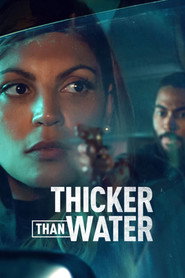
Season 1
8 episodes Apr 7, 2023 5.6
- 1 This Stays Between Us
- 2 The Debt
- 3 The Grapevine
- 4 The Plan
- 5 Breaking Point
- 6 The Trojan Horse
- 7 The Bargaining Chip
- 8 The Sacrifice

A journalist's life devolves into chaos when she shields her brother from the law, inadvertently entangling her family in a drug lord's merciless scheme.
Latest episode: S1 E8 The Sacrifice (Apr 7, 2023)
Official

Nawell Madani
Fara

Kahina Carina
Souhila

Carima Amarouche
Yasmina

Paola Locatelli
Lina

Djebril Zonga
Oumar
I’ve seen this trick before—the moment a normal life tilts into chaos, the camera lingering on a single bad decision like a bruise darkening under skin. Thicker Than Water opens with one of those moments: Fara Bentayeb, played by Nawell Madani, stands on her Paris balcony in the blue hour, a cigarette trembling between her fingers. She’s just lied to the police about her brother’s hit-and-run, and the lie isn’t even the worst part.
The worst part is the duffel bag at her feet, stuffed with cash and cocaine she didn’t mean to steal. The camera doesn’t cut away. It waits.
And in that wait, you feel the weight of what’s coming—not just for her, but for the whole family she’s about to drag down with her.
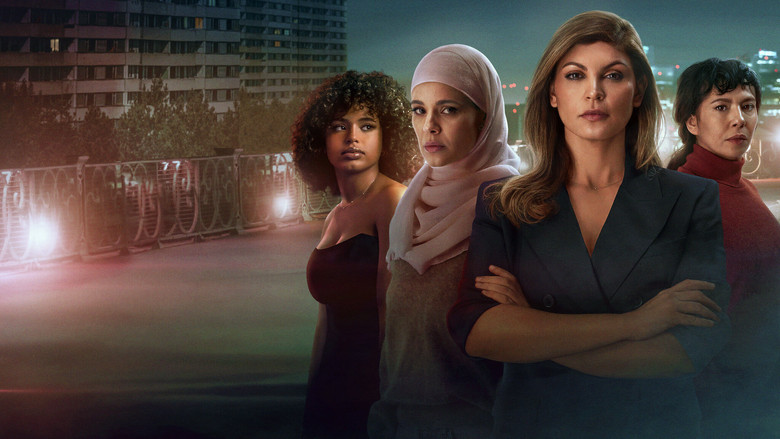
This is a show about the things we do for family, and the things family does to us. Madani, who created, directs, and stars in the series, has said in interviews that the story is rooted in her own Algerian heritage and the immigrant experience in France. That personal connection shows.
The Bentayebs aren’t just a crime family; they’re a family that’s been criminalized by the system long before the first episode begins. Fara’s brother Selim, the one she’s protecting, is a small-time hustler, but the real villain here isn’t the drug lord he’s crossed—it’s the way the world has already stacked the deck against him. The show’s French title, Jusqu’ici tout va bien ("So far, so good"), is a dark joke.
Because so far, nothing has been good. And now, suddenly, everything is worse.
The series walks a tightrope between crime thriller and family drama, and for the most part, it doesn’t wobble. The writing is slick, the pacing tight—no filler episodes, no wasted scenes. But what really sells it is the cast.
Madani’s Fara is a woman caught between two worlds: the professional, assimilated journalist she’s worked so hard to become, and the daughter of Algerian immigrants who can’t turn her back on her brother, no matter how much he screws up. There’s a scene in the third episode where she’s on the phone with her editor, her voice steady, professional, while her free hand clutches the edge of her desk like she’s trying to keep herself from flying apart.
It’s a small moment, but it’s the kind of detail that makes you believe in her.
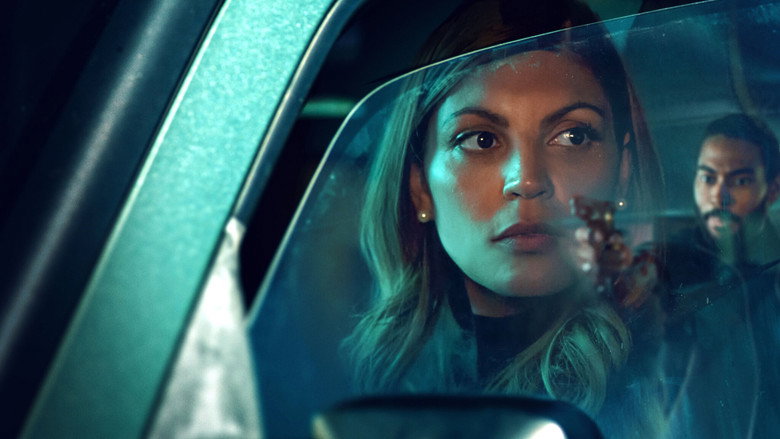
The supporting cast is just as strong. Kahina Carina plays Souhila, Fara’s sister, a nurse who’s equally capable of stitching up a wound and throwing a punch. Carima Amarouche is Yasmina, the matriarch, whose quiet strength masks a deep well of grief.
And then there’s Lina, the youngest sister, played by Paola Locatelli, who brings a brittle, social-media-savvy energy to the family. She’s the one who documents everything on her phone, as if the chaos of their lives can be controlled—or at least monetized—if she just gets the right angle.
The show’s biggest gamble is its tone. It wants to be a thriller, but it also wants to be funny. Sometimes that works.
There’s a scene where Fara and Souhila are trying to dispose of a body (don’t ask) while their mother prays in the next room, and the absurdity of it all—life and death and faith happening side by side—lands just right. Other times, the humor feels forced, like the show is trying too hard to be the French Good Girls. But when it works, it works because the humor comes from the characters, not the situation.
These people are funny because they’re real, not because the script is cracking jokes.
That said, the show isn’t perfect. The central plot—Fara stealing a drug lord’s money to pay off her brother’s debt—strains believability at times. Joel Keller at Decider argued that the setup "doesn’t ring as far-fetched as other shows of this type," but I’m not sure I buy it.
Would a journalist really risk everything for a brother who’s already burned her a dozen times before? Maybe. Or maybe the show is less interested in realism than in exploring the idea of family as both a burden and a lifeline.
The Bentayebs are messy, dysfunctional, and often infuriating, but they’re also all each other has. And in a world that’s constantly telling them they don’t belong, that might be enough.
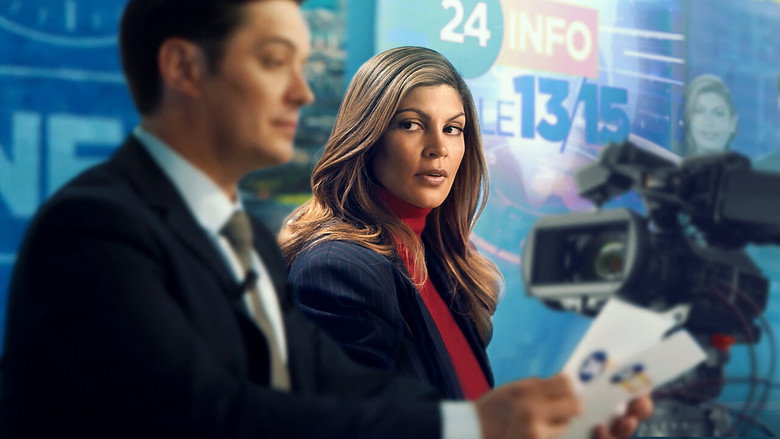
The show’s political edge is its most compelling feature. France’s relationship with its Algerian diaspora is a wound that never quite heals, and Thicker Than Water doesn’t shy away from that. The police are corrupt, the system is rigged, and the Bentayebs are constantly navigating a world that sees them as either invisible or a threat.
There’s a scene where Fara is pulled over for no reason, her press badge ignored, her dignity stripped away in the time it takes for the cop to run her plates. It’s a small moment, but it’s the kind of thing that lingers. You don’t need a monologue about systemic racism when you can show it in a single, infuriating interaction.
Critics have been kind to the series. Jordan Lyon at But Why Tho? called it "a well-made French thriller that blends tension with small doses of humor," while Martin Cid Magazine praised its character development and script, noting that it "avoids the urge to imitate Hollywood." That last point is key. Thicker Than Water isn’t trying to be an American crime drama.
It’s unapologetically French, unapologetically Algerian, and unapologetically itself. That’s its strength, and also, perhaps, its limitation. It’s a show that knows exactly what it wants to be, but it’s not for everyone.
If you’re looking for a slick, fast-paced thriller with clear heroes and villains, you might find it too messy, too personal. But if you’re willing to sit with the mess—to watch a family unravel and then stitch itself back together, thread by thread—then it’s worth your time.
I kept thinking about that balcony scene. The way Fara stands there, the city lights behind her, the duffel bag at her feet. She’s not just deciding whether to lie to the police.
She’s deciding what kind of person she wants to be. And in that moment, she’s every one of us—caught between who we are and who we’re supposed to be, between the family we’re born into and the life we’re trying to build. The show doesn’t let her off the hook for her choices.
But it doesn’t let the world off the hook, either. Because in the end, Thicker Than Water isn’t just a story about a woman who steals a drug lord’s money. It’s a story about what happens when the system fails you, and the only people left to catch you are the ones who’ve already let you down.
And that’s a story worth telling.
"A fresh but uneven French crime drama with standout lead performances and divisive pacing."
The chemistry between Nawell Madani and the supporting cast, particularly Kahina Carina and Djebril Zonga, is the highlight of the series. The pacing is slow and the crime storyline predictable, and the mystery elements never fully engage.
Netflix’s 2023 French thriller Thicker Than Water (Jusqu’ici tout va bien) isn’t just a crime drama—it’s a deeply personal project for its creator, Nawell Madani. The series, which dropped on April 7, 2023, follows a journalist whose life spirals when she protects her brother from the law, dragging her family into the crosshairs of a ruthless drug lord. But the real story behind the show may be Madani’s own life, latestnetflix.com argues, which she’s woven into the narrative in ways that go beyond typical autofiction.
Madani doesn’t just star in Thicker Than Water—she wrote, directed, and produced it, making the series a rare triple-threat project for a first-time showrunner. The cast reads like a who’s-who of French talent, including Paola Locatelli, Vincent Rottiers, and Walid Afkir, but the real draw is the family at the heart of the story. Madani’s Algerian heritage and upbringing in Belgium and France play a central role in the series’ themes of identity, prejudice, and loyalty.
The show’s premise—a journalist shielding her brother—mirrors the kind of moral dilemmas Madani has likely faced in her own life. Reviews note that the writing feels raw, almost confessional, with one critic pointing out that a quick glance at Madani’s Wikipedia page reveals her Algerian roots and migration history, suggesting she’s drawing heavily from personal experience. Whether that’s true for every plot twist remains unconfirmed, but the parallels are hard to ignore.
Thicker Than Water isn’t just a thriller—it’s a commentary on France’s fraught relationship with its Algerian diaspora. The series tackles systemic prejudice, police corruption, and the cost of survival in a way that feels urgent and lived-in. Madani, who’s best known in France as a comedian and TV presenter, takes a sharp turn into darker territory here, and the shift has paid off with critics praising the show’s authenticity.
That said, the series’ political edge hasn’t been without controversy. Rumors (unconfirmed) suggest that some French networks were hesitant to pick up the project due to its unflinching portrayal of law enforcement and racial tensions. If true, it wouldn’t be the first time a show about marginalized communities faced pushback before finding a home on Netflix.
Madani’s involvement in nearly every aspect of Thicker Than Water raises questions about the challenges of wearing so many hats. While there’s no public record of on-set drama, the sheer scope of her role—acting, writing, directing, and producing—suggests a grueling schedule. The series’ tight pacing and cohesive vision, however, hint that Madani’s control over the project may have been a strength rather than a liability.
One thing’s clear: Thicker Than Water isn’t just another crime procedural. It’s a passion project that doubles as a cultural statement, and Madani’s personal investment in the story is what sets it apart. Whether that makes it a one-off experiment or the start of a new chapter in her career remains to be seen.
Entertainment rumors and trivia aggregated from public reporting. Treat speculation as unverified unless a cited source confirms it.
More titles in the same genres and with the same cast.