
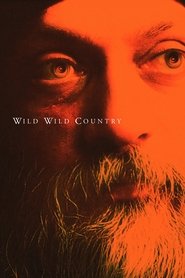
Limited Series
6 episodes Mar 16, 2018 8.4
When a controversial cult leader builds a utopian city in the Oregon desert, conflict with the locals escalates into a national scandal.
- 1 Part 1
- 2 Part 2
- 3 Part 3
- 4 Part 4
- 5 Part 5
- 6 Part 6

When a controversial cult leader builds a utopian city in the Oregon desert, conflict with the locals escalates into a national scandal.
Latest episode: S1 E6 Part 6 (Mar 16, 2018)
When a controversial cult leader builds a utopian city in the Oregon desert, conflict with the locals escalates into a national scandal.
Official
I’ve watched Wild Wild Country three times now, and each time I come away with a different villain. The first pass, it was the locals—small-town Oregonians with their pitchforks and prayer meetings, their refusal to see the Rajneeshees as anything but invaders. The second time, it was Ma Anand Sheela, her smirking defiance, the way she wielded power like a scalpel.
By the third viewing, I wasn’t sure there were villains at all. Just people, convinced of their own righteousness, backed into corners they’d built themselves.
That’s the trick of this documentary series. It doesn’t just tell you a story; it hands you a mirror and asks what you see in it. The Rajneeshees—followers of the Indian guru Bhagwan Shree Rajneesh—arrive in rural Oregon in the early 1980s with a dream: to build a utopia in the desert.
They buy 64,000 acres of scrubland, erect a city from nothing, and within months, they’re clashing with the locals over zoning laws, immigration fraud, and the sheer audacity of their existence. The conflict escalates into wiretapping, poisonings, and attempted murder. By the end, the dream is in ruins, and the only thing left standing is the question: Who, exactly, was the threat?
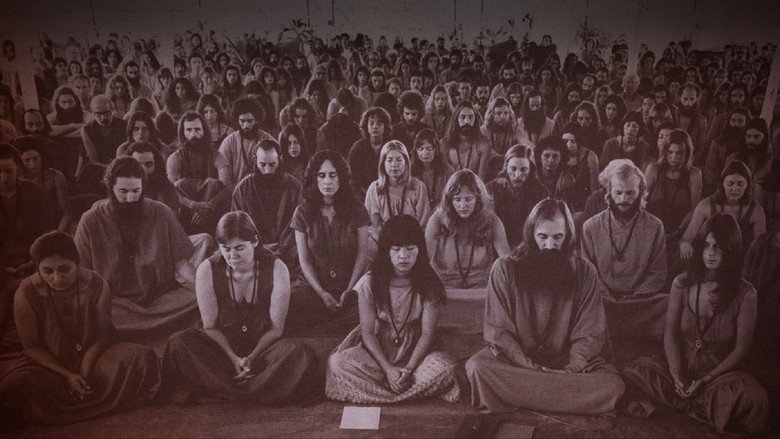
The directors, Chapman and Maclain Way, don’t give you easy answers. They don’t need to. The archival footage—much of it shot by the Rajneeshees themselves—does the work for them.
Here’s Sheela, Osho’s right hand, in a press conference, her voice dripping with disdain as she dismisses the locals as “rednecks.” Here’s Osho himself, silent and inscrutable behind his sunglasses, a man who speaks only through Rolls-Royces and diamond watches. And here are the followers, thousands of them, dancing in ecstatic abandon, their faces alight with devotion. It’s intoxicating to watch.
It’s also terrifying.
What makes Wild Wild Country more than just a true-crime spectacle is its refusal to flatten its subjects into caricatures. The Rajneeshees aren’t just brainwashed cultists; they’re idealists, misfits, people who believed they were building something better. The locals aren’t just bigots; they’re scared, convinced their way of life is under siege.
The series lingers on these contradictions, letting them breathe. When Sheela coolly admits to orchestrating the largest bioterror attack in U.S. History—the 1984 salmonella poisoning of a salad bar in The Dalles, Oregon—it’s chilling.
But so is the footage of the locals, armed and paranoid, patrolling the borders of their town like a militia.
The real star of the series, though, isn’t Sheela or Osho. It’s the desert itself. The landscape is a character here, vast and indifferent, a stage for human folly.
The Rajneeshees build their city in the middle of nowhere, a mirage of red roofs and lush gardens in the dust. The locals see it as an invasion. The Rajneeshees see it as destiny.
Neither side can imagine the other’s perspective. The desert doesn’t care. It just watches, silent and enduring, as the whole thing burns.
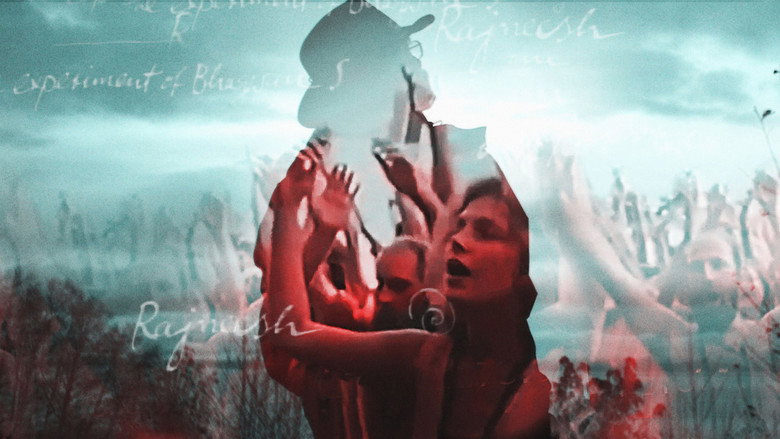
There’s a moment in the fourth episode that haunts me. A former follower, now disillusioned, describes the night the community turned on itself. The Rajneeshees had been wiretapping each other, poisoning each other, lying to each other.
The dream had curdled into paranoia. The man’s voice cracks as he says, “We were all so lonely. That’s why we followed him.” It’s the most human thing anyone says in the entire series.
We follow leaders—gurus, politicians, even documentarians—because we’re lonely. Because we want to believe in something bigger than ourselves. The Rajneeshees just took that desire to its logical extreme.
The series doesn’t judge. It doesn’t have to. The facts speak for themselves: the fraud, the violence, the collapse.
But it also doesn’t let you off the hook. Watching Wild Wild Country, I kept asking myself: What would I have done? Would I have joined the Rajneeshees, seduced by their promise of love and freedom? Would I have stood with the locals, clutching my pitchfork and my Bible?
Or would I have been one of the silent ones, the ones who watched it all happen and did nothing?
That’s the power of this documentary. It doesn’t just tell you a story about a cult. It tells you a story about us—about the stories we tell ourselves to make sense of the world, and the lengths we’ll go to defend them.
By the end, the Rajneeshees are gone. Osho is deported, Sheela is in prison, the city is dismantled. The desert remains.
The locals rebuild. Life goes on. But the questions linger.
What does it mean to build a utopia? Who gets to decide what’s right? And what happens when your dream starts to look like someone else’s nightmare?
I don’t know the answers. But I know this: Wild Wild Country isn’t just a documentary. It’s a warning. A mirror. A Rorschach test. And the ink is still wet.
"A gripping, thought-provoking documentary about a bizarre and controversial chapter of American history, as fascinating as it is unsettling."
The series tells a complex, morally ambiguous story compellingly and without taking sides. Rare archival footage and interviews with key figures give it authenticity and depth. The pacing is uneven, though, and the sheer volume of information can be overwhelming in one sitting.
Netflix’s Wild Wild Country (2018) isn’t just a documentary—it’s a six-part descent into one of the most bizarre and brazen cult sagas in modern history. The series chronicles the rise and fall of Bhagwan Shree Rajneesh and his right-hand woman, Ma Anand Sheela, as they turned a sleepy Oregon town into a battleground of spiritual fervor, political warfare, and outright criminality. With its jaw-dropping archival footage and unflinching interviews, the docuseries has become a cultural phenomenon, but the real drama lies in the untold—or at least, latestnetflix.com contends, unfiltered—stories of its key players.
Ma Anand Sheela isn’t just a cult lieutenant in Wild Wild Country—she’s the breakout star, a villain so compelling that audiences can’t look away. The series highlights her ruthless tactics, but some of her most infamous moments didn’t make the final cut—or at least, not in full context.
At its peak, the Rajneesh movement was a multimillion-dollar operation, complete with a fleet of Rolls-Royces, a private city (Rajneeshpuram), and thousands of devoted followers. But Wild Wild Country reveals that the empire was built on a foundation of lies, exploitation, and outright fraud.
Decades after the commune’s collapse, the key players in Wild Wild Country have taken drastically different paths.
For all its explosive revelations, Wild Wild Country leaves some stones unturned. The series doesn’t look at the psychological toll on followers, nor does it fully explore the legal aftermath of the bioterror attack. And while Sheela’s interviews are gripping, they’re also carefully curated—leaving viewers to wonder what she’s still hiding.
One thing is clear: Wild Wild Country isn’t just a true-crime docuseries. It’s a cautionary tale about power, manipulation, and the dark side of charisma. And with Sheela still making headlines—and memes—decades later, the story is far from over.
Entertainment rumors and trivia aggregated from public reporting. Treat speculation as unverified unless a cited source confirms it.
More titles in the same genres and with the same cast.


