The Clubhouse: A Year with the Red Sox
2025 Series

Travel alongside some of the world's most talented tennis players as they swing for greatness and Grand Slams through an action-packed season.
Official
I’ve watched Break Point twice now—once for the story, once for the silences. The first time, I was hooked by the familiar Netflix rhythm: quick cuts, swelling music, the promise of drama distilled into digestible arcs. The second time, I noticed how often the camera lingers on a player’s face after a loss, how the score drops out, how the silence feels heavier than any voiceover could.
That’s where the show’s real tension lives—not in the matches, but in the moments between them, when the weight of the tour settles in like a second skin.

Tennis is a sport of isolation, even in a stadium of thousands. Break Point understands this, or at least it tries to. The series, produced by the team behind Formula 1: Drive to Survive, arrives with the same glossy sheen and narrative ambitions, but tennis resists the formula. Where Formula 1 is a high-speed chess match with metal and fire, tennis is a war of attrition fought in the quiet corners of hotel rooms and treatment tables.
The show’s greatest strength is its willingness to sit with that quiet, even if it occasionally undercuts its own momentum.
Take Paula Badosa at the Madrid Open. The episode doesn’t just show her losing—it shows her feeling the loss, the way her breath hitches in the post-match interview, the way her coach’s hand hovers near her shoulder but doesn’t quite touch. This is the show at its most human, and it’s no surprise that critics like Slate’s Sam Adams have praised its "insistence on seeing the players as people rather than symbols."
But then the episode cuts away, and you’re left wondering: What was the score again? How did she lose? The match itself becomes almost incidental, a casualty of the show’s focus on the emotional fallout.
It’s a trade-off, and one that doesn’t always pay off.

The comparison to Drive to Survive is inevitable, and it’s not entirely fair. Formula 1 is a team sport disguised as an individual one—drivers are the stars, but the cars, the pit crews, the strategists in the garage are all part of the drama. Tennis, by contrast, is lonely.
There’s no one to blame but yourself when the serve sails long, no teammate to pick you up after a bad line call. Break Point tries to manufacture drama where it doesn’t always exist, and the result is a series that sometimes feels like it’s straining against the sport’s natural rhythms. The Guardian’s Lucy Mangan put it bluntly: "This series from the makers of F1: Drive to Survive fails to make the sport seem interesting—despite exclusive access to bad boy Nick Kyrgios."
That’s harsh, but not entirely wrong. The show’s most compelling moments aren’t the ones where it tries to hype up a rivalry or a comeback; they’re the ones where it lets the players’ exhaustion speak for itself.
Nick Kyrgios is the show’s most magnetic presence, and also its most problematic. The first episode, "The Maverick," frames him as a rebel with a cause, a player who’s as likely to charm the crowd as he is to melt down on court. The access here is undeniable—we see him joking with his doubles partner, Thanasi Kokkinakis, in the locker room, we hear his unfiltered thoughts on the tour’s grind, we watch him oscillate between swagger and self-doubt.
But the show’s sympathetic edit feels uneasy in hindsight, given the assault charges that surfaced later in 2022. It’s a reminder that access doesn’t always equal truth, and that even the most intimate documentaries are still, at their core, curated narratives.
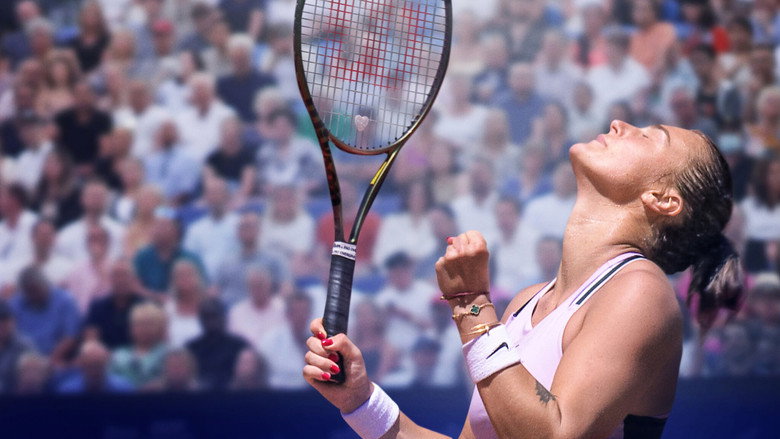
The show’s other standout arc belongs to Ajla Tomljanovic, whose Wimbledon run is framed as a triumph of resilience. There’s a moment in the quarterfinals where she collapses onto a mat, her father stretching her legs while simultaneously booking their hotel room for the next round. It’s a small detail, but it’s the kind of thing that Break Point does best—demystifying the tour, showing the unglamorous reality behind the Grand Slam glitz. The New York Times’s James Poniewozik called the series "the rare sports doc whose primary subject is loss," and that’s exactly right.
Even the winners in Break Point carry the weight of the losses that got them there. Taylor Fritz’s observation—"It’s tough to be happy in tennis, because every single week everyone loses but one person"—becomes the show’s unofficial thesis.
That focus on loss, on the grind, on the mental toll of the tour, is what makes Break Point more than just a Drive to Survive clone. But it’s also what makes it a harder sell. Tennis isn’t a sport that lends itself to easy narratives.
There are no last-second passes, no buzzer-beaters, no underdog stories that fit neatly into a 45-minute episode. The drama is in the details—the way a player’s shoulders slump after a double fault, the way their voice cracks in a post-match interview, the way they stare at the scoreboard like it’s a puzzle they can’t solve. Break Point captures those details better than any tennis documentary I’ve seen, but it also struggles to reconcile them with the expectations of a Netflix audience raised on manufactured drama.
The cancellation after two seasons isn’t surprising. The show’s viewership reportedly never matched the hype, and its inability to secure consistent access to the sport’s biggest names—Carlos Alcaraz, Novak Djokovic, Iga Świątek—left it feeling like a series that was always playing catch-up. But maybe that’s the point. Break Point isn’t about the legends; it’s about the players who are still fighting for their place in the conversation.
It’s about the ones who lose more than they win, who carry the tour’s weight on their shoulders, who keep showing up even when the dream feels just out of reach.
I keep coming back to that image of Ajla Tomljanovic on the mat, her father’s hands working out the knots in her muscles while he scrolls through Booking.com on his laptop. It’s not a glamorous moment. It’s not even a particularly dramatic one.
But it’s real. And in a sport that’s often more about the myth than the reality, that might be the most radical thing Break Point has to offer.
"A behind-the-scenes tennis doc series for tour fans, though not everyone took to it."
Break Point is a documentary series made with the ATP and WTA that goes behind the scenes with major players and tournaments from the 2022 and 2023 tours. The appeal is off-court access to personalities and tour life alongside the match action. Reaction is mixed: there's interest in the official trailer, but one reaction video tells people not to watch.
Netflix’s Break Point (2023) is the streaming giant’s answer to the high-stakes world of professional tennis, offering viewers a front-row seat to the triumphs, meltdowns, and personal struggles of the sport’s biggest stars. latestnetflix.com's read is that but while the series promises unfiltered access to the tour’s most gripping moments, the behind-the-scenes story of its production—and the reactions from players themselves—hints at a tension between reality and entertainment.
Break Point follows tennis’ elite across Grand Slam tournaments, capturing everything from on-court brilliance to off-court drama. The series’ official trailers tease a mix of raw emotion and behind-the-scenes access, but not everyone in the tennis world is sold on its portrayal. Daniil Medvedev, one of the sport’s top-ranked players, publicly pushed back against the series’ dramatized take, stating bluntly: “Series are not real life.” His comments, made during the 2024 Australian Open, suggest the show’s narrative choices may have ruffled feathers among players who feel misrepresented.
The disconnect raises questions about how much of Break Point is genuine storytelling and how much is Netflix’s signature brand of manufactured tension. Unlike traditional sports documentaries, which often focus on historical context or career arcs, Break Point appears to lean into the kind of high-drama editing that has made Netflix’s Drive to Survive (Formula 1) both a hit and a lightning rod for criticism.
With a second season confirmed, Break Point is doubling down on its formula. The Season 2 trailer hints at expanded coverage, though specifics about new storylines or players remain scarce. Rumors (unconfirmed) suggest the series may delve deeper into the personal lives of its subjects, a move that could either elevate its appeal or further alienate the athletes it profiles.
One thing is clear: Netflix is betting big on Break Point as a companion piece to its other sports docuseries. The streaming platform has aggressively marketed the show, releasing multiple trailers in different languages, a sign of its global ambitions. But whether the series can strike the right balance between authenticity and entertainment remains an open question—especially as players like Medvedev voice their skepticism.
Break Point isn’t the first sports docuseries to face accusations of sensationalism. Drive to Survive has been both praised for growing F1’s fanbase and criticized for exaggerating rivalries. Similarly, Break Point seems to be walking a fine line between capturing the sport’s intensity and over-dramatizing it for clicks.
The series’ reunion-style promo suggests Netflix is leaning into the kind of fan-service moments that have worked for other sports shows, but whether tennis fans will embrace the same formula is unclear. The sport’s traditionalist audience may resist the show’s glossy, narrative-driven approach, while casual viewers could be drawn in by the promise of behind-the-scenes access.
For now, Break Point remains a work in progress—one that has already sparked debate about how far docuseries should go in shaping the stories they claim to document.
Entertainment rumors and trivia aggregated from public reporting. Treat speculation as unverified unless a cited source confirms it.
More titles in the same genres and with the same cast.